Industry
Fintech
Client
Franq Open Banking
Turning High-Value Leads into Business Accounts. Designing Landing Pages That Convert.
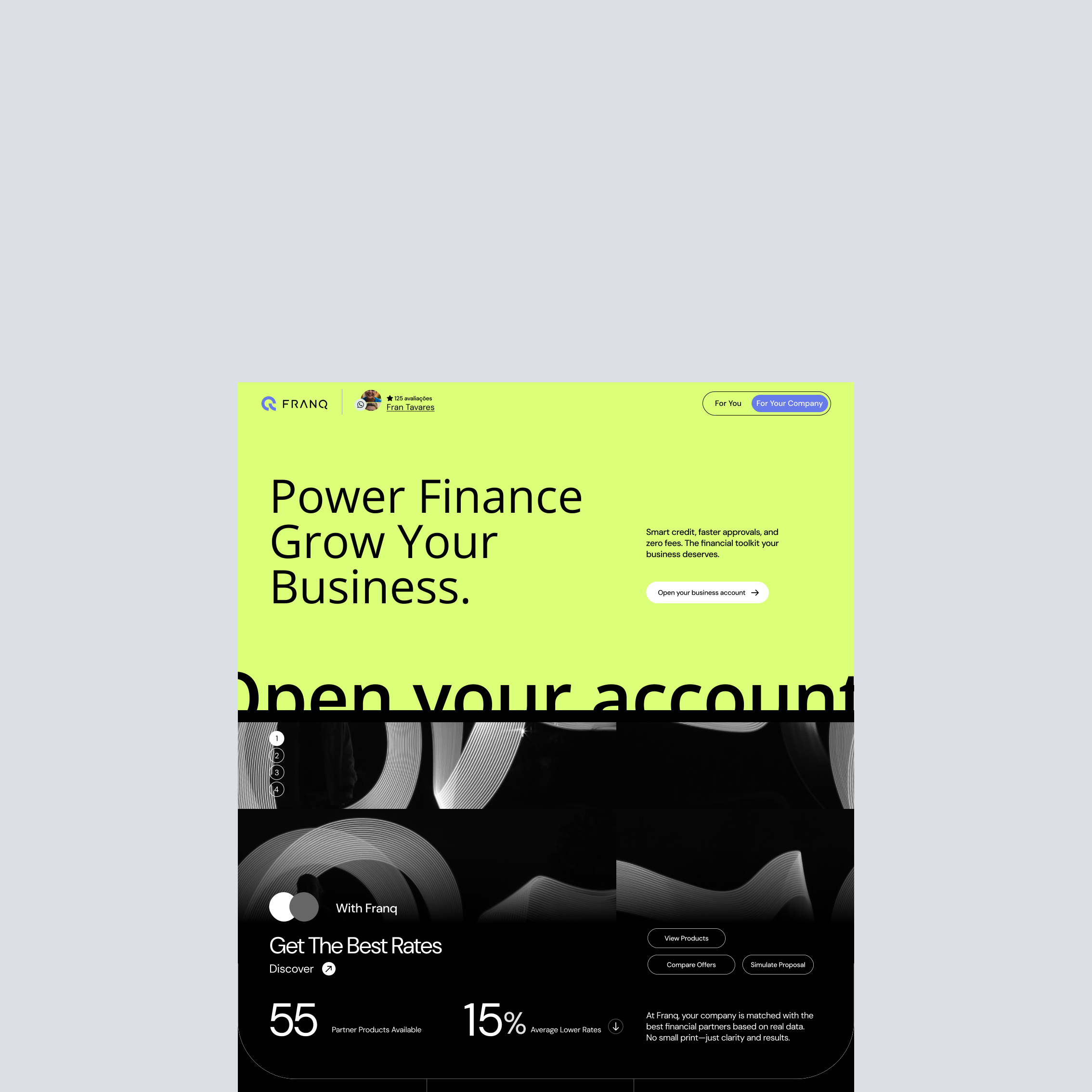
Unlocking B2B Growth: Designing Landing Pages to Activate Business Accounts for Franq Personal Bankers
At Franq, Personal Bankers (PBs) are former bank employees who now operate independently, bringing with them a valuable portfolio of clients. Through Franq’s open banking platform, these advisors can offer a wide range of financial products from multiple institutions—breaking free from the limitations of working with just one bank. For business clients (PJ), this ecosystem unlocks personalized access to loans, credit lines, and business financial tools. A key differentiator is Franq’s smart pre-analysis engine, which scans company data to identify pre-approved offers even before the PB makes a recommendation. But to activate this system, companies must first open a business account connected to the PB’s digital store. The challenge: increase conversion at this key entry point. This project explored three strategic landing page proposals to drive account creation, reduce friction, and strengthen the relationship between PBs and their business clients. Note: This project was developed during my time at Franq. Due to confidentiality, internal analytics and research assets are not shared in this case study. However, the strategic reasoning and design decisions documented here reflect the actual approach taken throughout the project. Note: This product was originally designed for the Brazilian market. All UI screens were translated into English to ensure global understanding—without losing local context.
Problem Statement
While Franq's platform offers strong B2B capabilities, the entry flow for business account creation wasn’t converting as expected. Business owners were either dropping off or unsure of what to expect. The existing approach lacked clarity, persuasive structure, and trust-building elements—missing an opportunity to activate high-value leads and leverage the full potential of the pre-approval engine.
Possible Solution
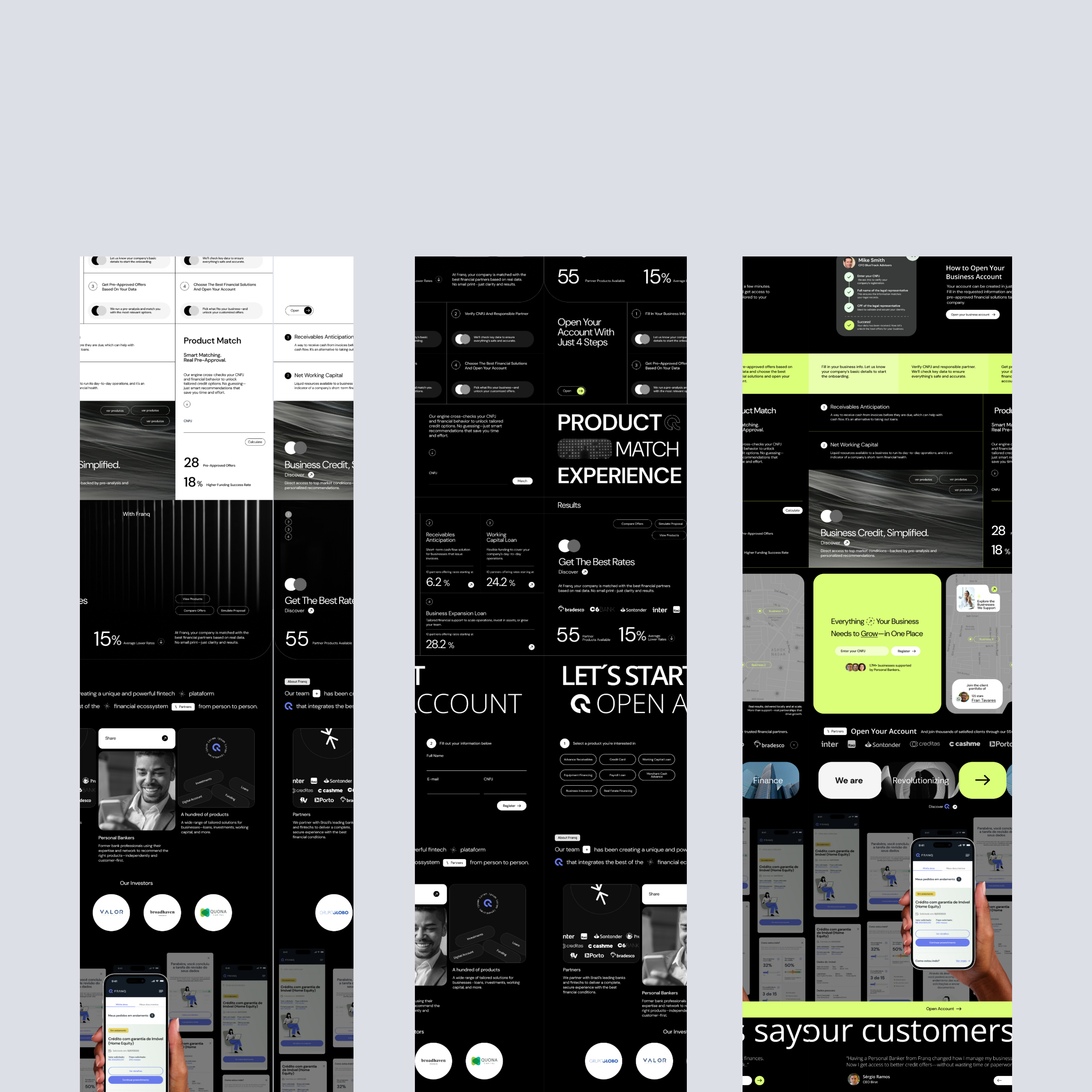
Three strategic landing pages designed to drive business account activation. Built to reflect different persuasion approaches—trust, benefits, and urgency. Crafted with clear messaging hierarchy, simplified flows, and conversion-focused microcopy. Positions the Personal Banker as a trusted financial advisor and improves lead qualification for Franq’s pre-approval engine. Reduces drop-off rates and increases activation of high-value business clients.
My Role
Product Designer responsible for the full project scope—from research and business alignment to strategic design decisions and final UI delivery.
Design Process
This project followed a lean, performance-driven design process tailored for growth environments. The approach was structured in four key stages: understanding context, defining strategic hypotheses, structuring the experience, and delivering high-fidelity UI.
Understanding Context: Mapped friction in the funnel using stakeholder input, CS feedback, and behavioral patterns.
Stakeholder insights / Funnel analysis / Heuristics
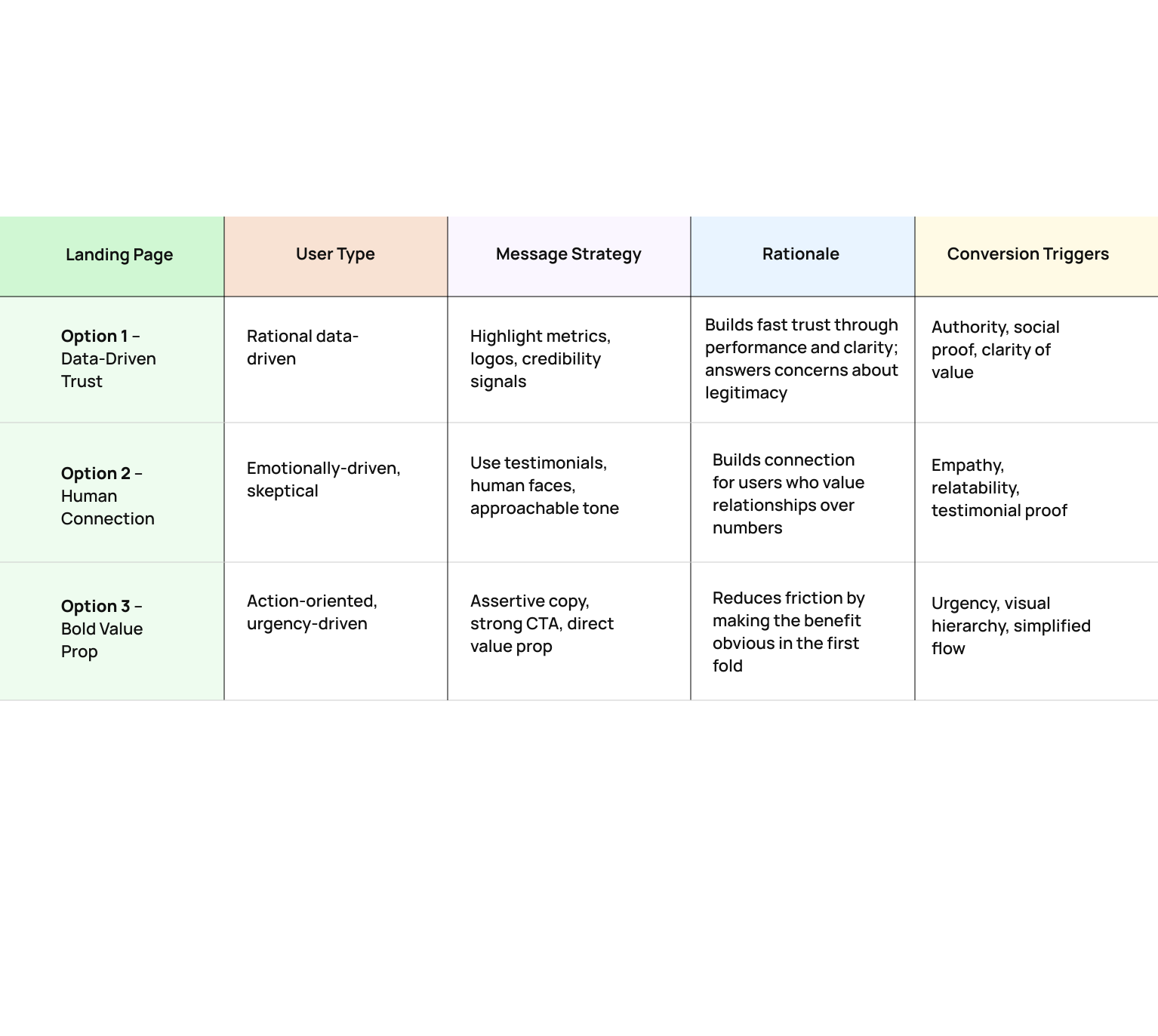
Defining Hypotheses: Framed conversion blockers—lack of trust, clarity, and urgency—and structured messaging strategies to address them.
Message mapping / Persuasion triggers
Structuring the Experience: Outlined content hierarchy and UX copy to reduce friction and guide action.
Wireframes / UX writing / Layout flow
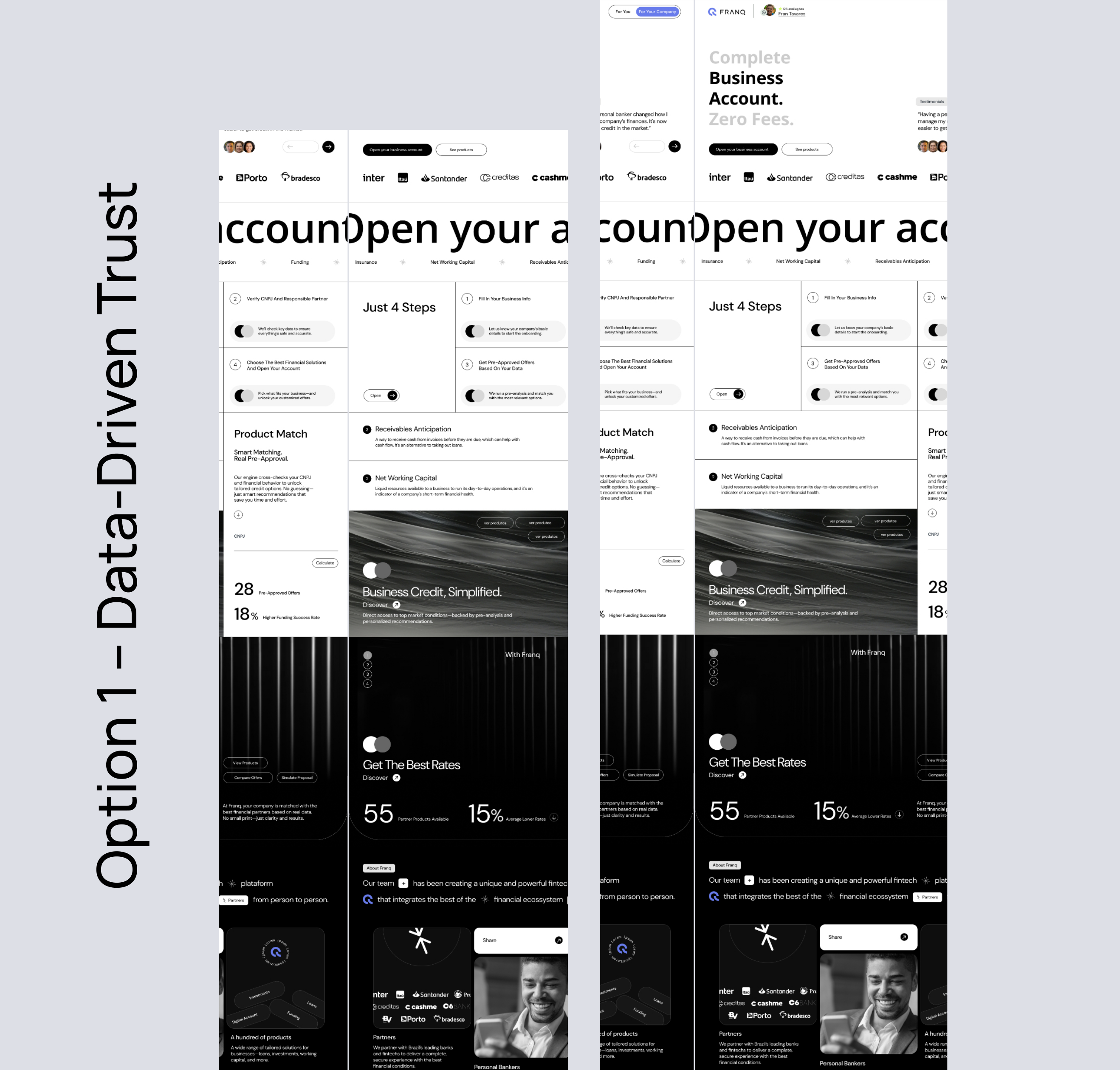
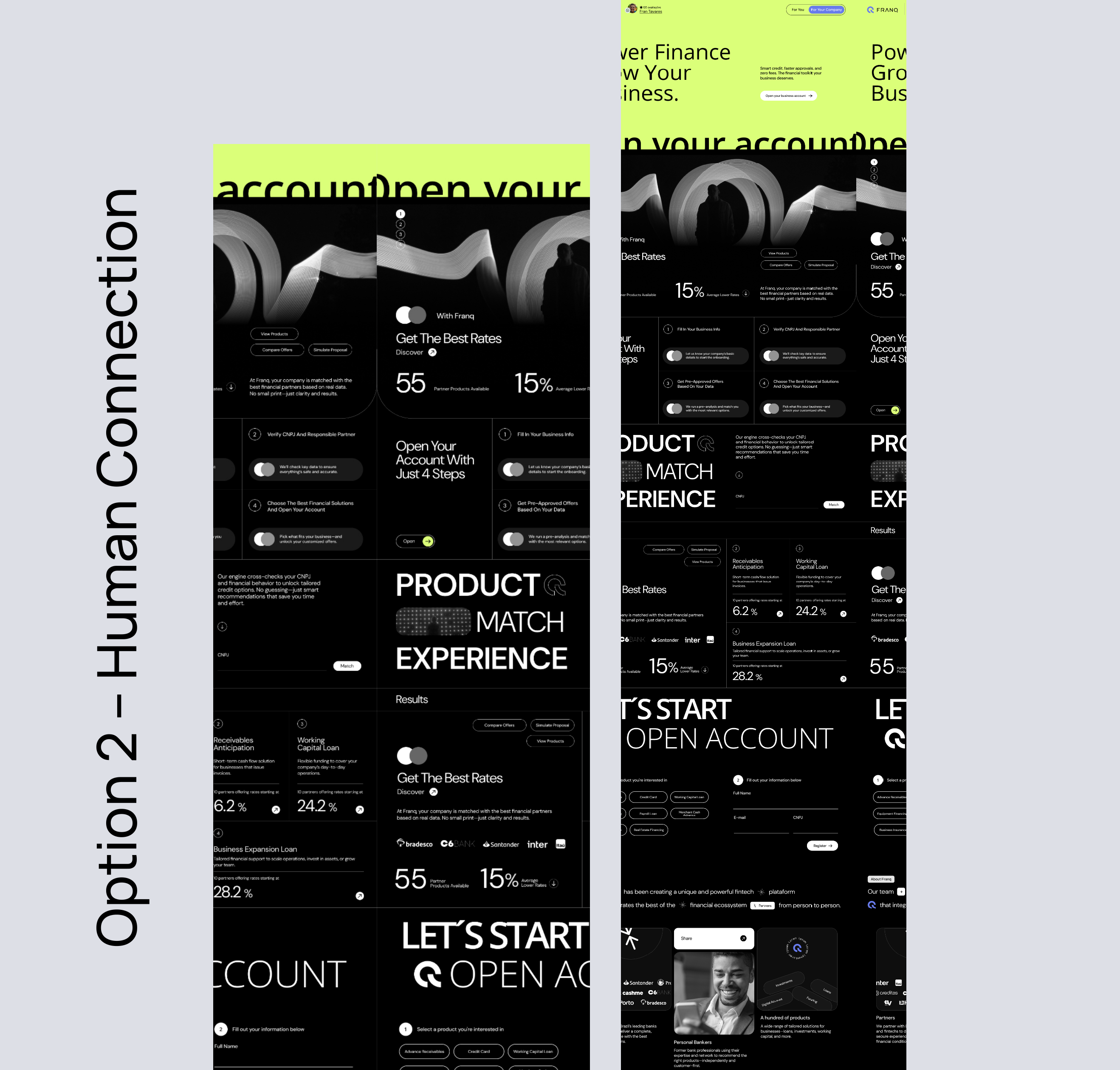
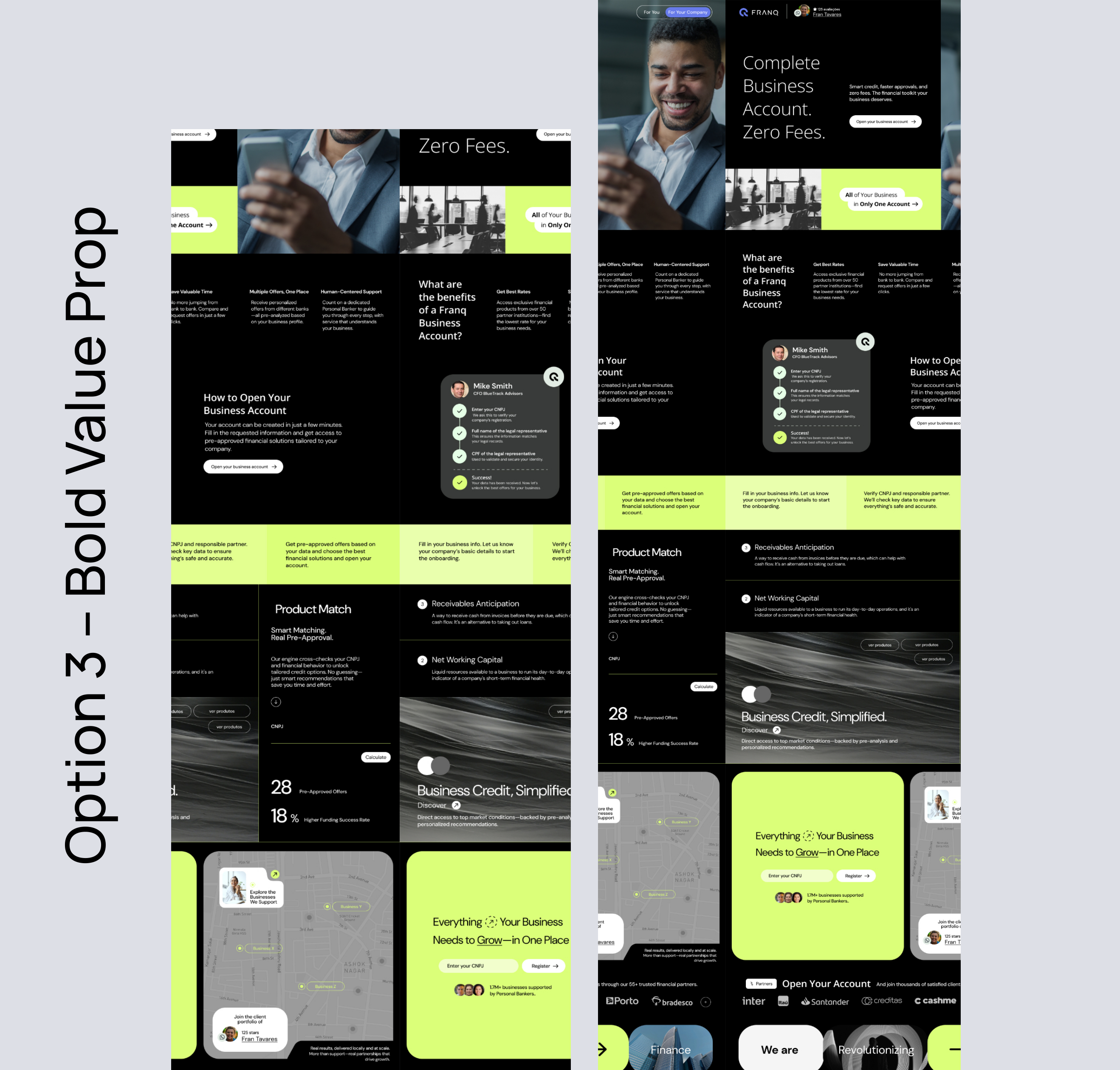
Delivering UI: Designed three high-fidelity variations focused on credibility, clarity, and conversion.
Figma / Modular UI / Responsive design
01
Understanding Context
Before jumping into layout or visuals, I focused on understanding why conversion was low at the entry point of the PJ (business) account flow. With limited access to real-time users, I used three key sources to guide this step:
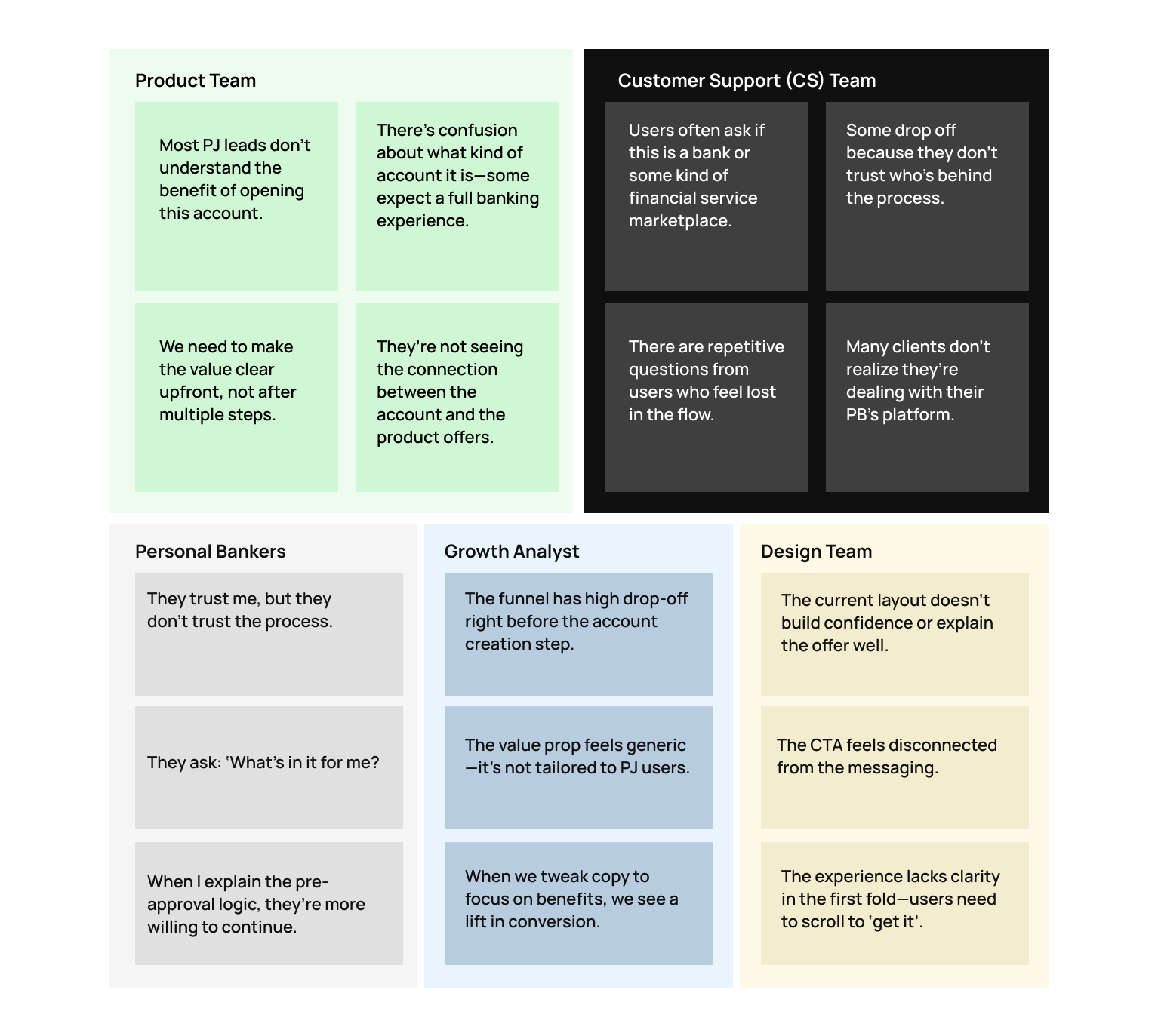
Stakeholder insights: I gathered input from product and CX teams to understand existing friction—what users were asking, where they dropped off, and what objections PBs were hearing from their clients. **While internal research artifacts are not displayed due to confidentiality, the insights below (figure 1) were reconstructed based on real patterns observed during the project. Funnel behavior: Using Google Analytics, I reviewed drop-off points in the account creation flow and noticed a lack of persuasive elements in the first steps. Heuristic scan: I evaluated the current journey using best practices in clarity, trust signals, and information priority. These inputs shaped the direction: business owners weren’t clear on why they should open a PJ account, what they would gain, or who was behind the offer. The problem wasn’t just UX—it was positioning.
02
Defining Hypotheses
After analyses the funnel behavior and mapping the key insights from stakeholders, it became clear that the main conversion blockers weren’t about UI friction—but about perception.
- Lack of Trust: Users didn’t know who was behind the offer (PBs or Franq) and what kind of account they were opening. Many questioned whether this was a financial product they could trust. - Lack of Clarity: There was confusion around the account's purpose and value. Clients didn't see how this step related to accessing pre-approved products or why it was worth completing now. - Lack of Urgency: The messaging wasn’t tailored for business owners who needed fast and tangible value. Without immediate benefit or relevance, they simply dropped off. From these blockers, I structured three messaging pillars to guide the landing page design: 1. Build Trust: Clearly communicate who is behind the product (the PB and Franq), and frame the account as a gateway—not a full bank account—to unlock exclusive financial solutions. 2. Clarify Value: Show the connection between creating the account and accessing pre-approved business offers. Emphasize how this step simplifies their financial journey. 3. Create Urgency: Introduce benefit-first copywriting, use clear CTAs, and remove vague language. Position the account creation as a fast win, not a bureaucratic hurdle. These hypotheses informed the messaging, visual structure, and user flow for the next design phase.
03
Structuring the Experience
With trust, clarity, and urgency defined as the core conversion levers, the next step was to translate these into structure, flow, and content hierarchy. The focus wasn’t just layout—it was about how each section could play a specific role in reducing friction and guiding action. This meant being intentional with what to say, when to say it, and how to say it.
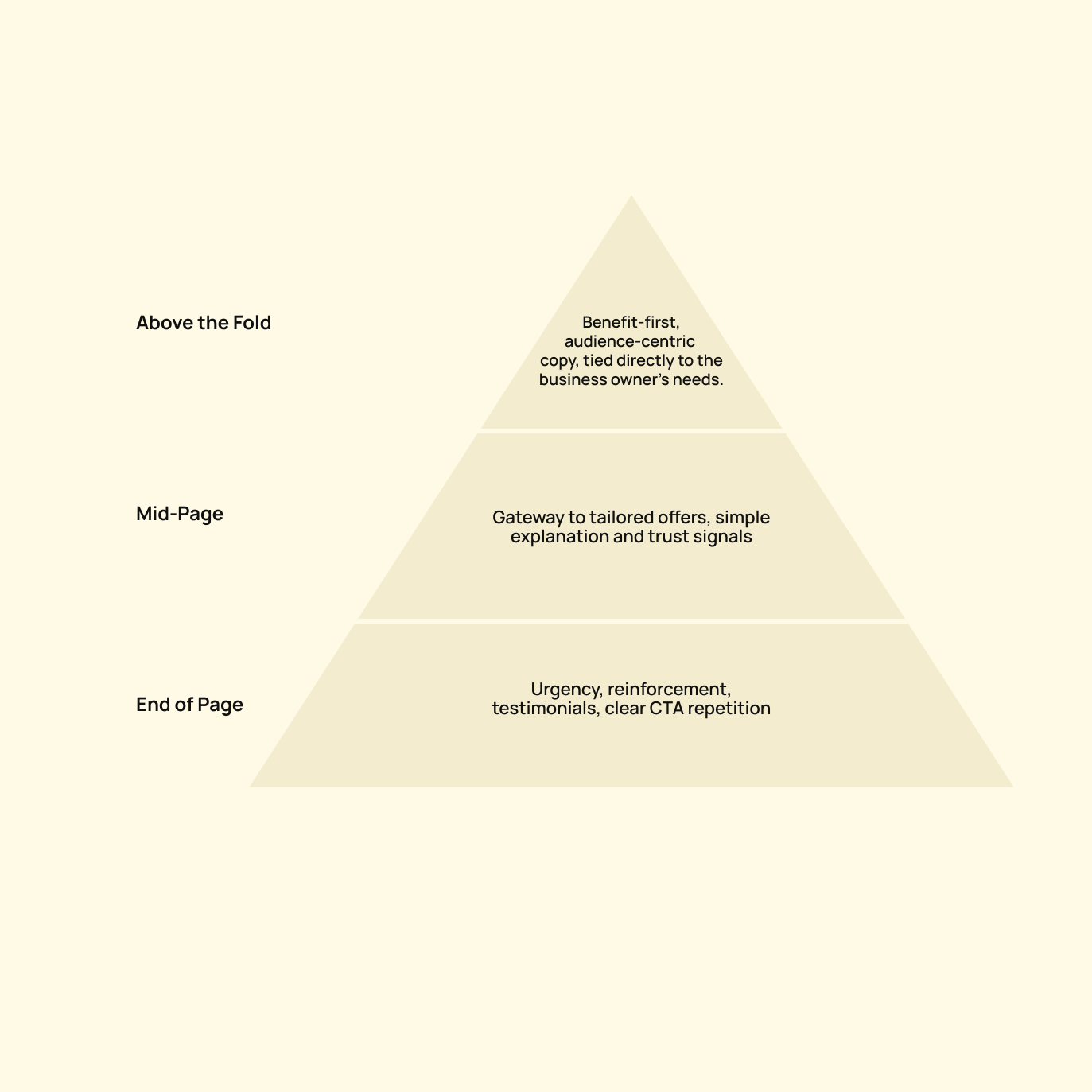
To do that, I mapped the page into three key functional zones: Above the fold Benefit-first copy tied directly to the PB’s role and the business owner's needs. Clarity and trust start here. Mid-page The account is positioned as a gateway to customized offers. Value is explained simply, with trust signals reinforcing security and legitimacy. End of page Urgency is built through testimonials, outcome highlights, and repeated CTAs to capture interest before drop-off.
Conversion Triggers Used
To support this structure, I applied conversion-driven messaging grounded in behavioral science principles: 1. Authority & Trust Signals - Recognized financial institutions (e.g., Itaú, Santander, Bradesco) build immediate credibility. - Testimonials and PB headshots humanize the message. - The “ex-banker” mention reinforces technical authority. 2. Clarity of Value Proposition - “Conta PJ sem tarifa” placed above the fold in every variation. - Visual explanation of the Product Match and pre-approval logic strengthens perceived value. 3. Urgency & Action - High-intent CTAs like “Comece agora” and “Veja sua pré-análise” use strong verbs. - Visual prominence (contrast + repetition) makes CTAs easy to find and act on. 4. Cognitive Ease - Short, skimmable copy: “4 passos”, “As melhores taxas.” - Use of icons and cards to break down complexity. 5. Social Proof - Client quotes with real names and photos. - PB location maps create a sense of national presence and accessibility.
04