Industry
Proptech SaaS
Client
Infinity
Infinity — Designing the Backbone of Smarter Condo Operations
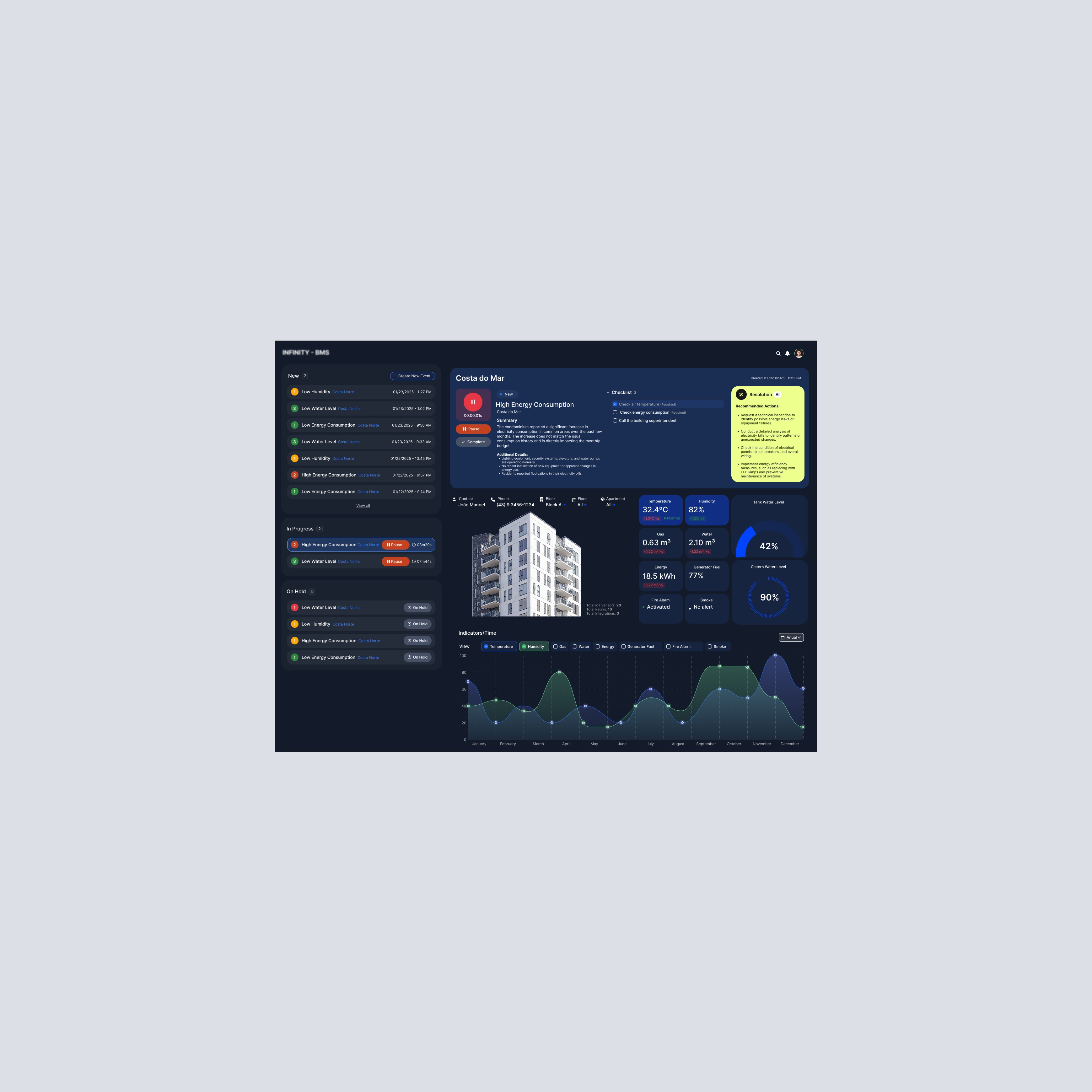
Helping Admin Teams Do More, With Less: UX built to reduce cognitive load, streamline operations, and boost productivity.
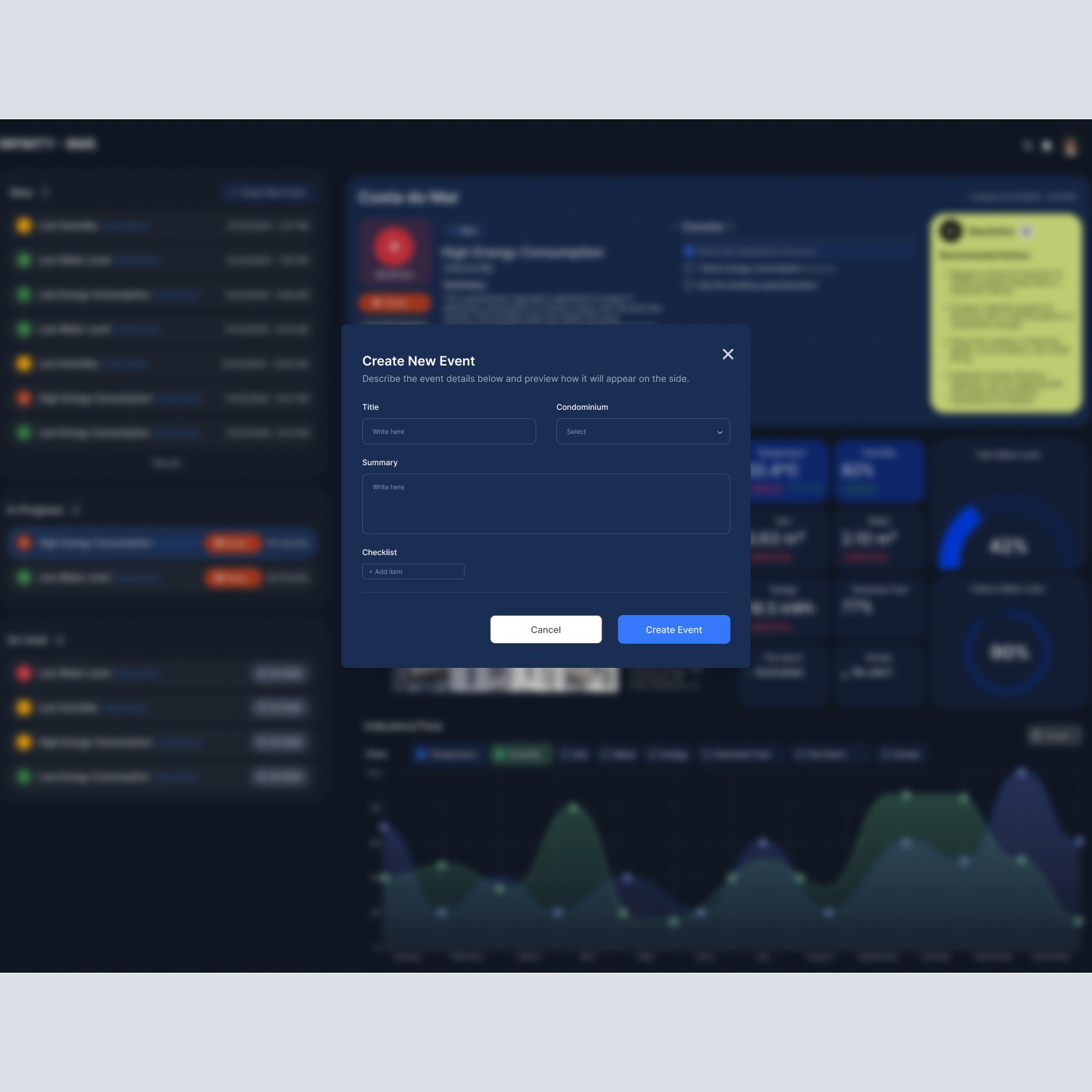
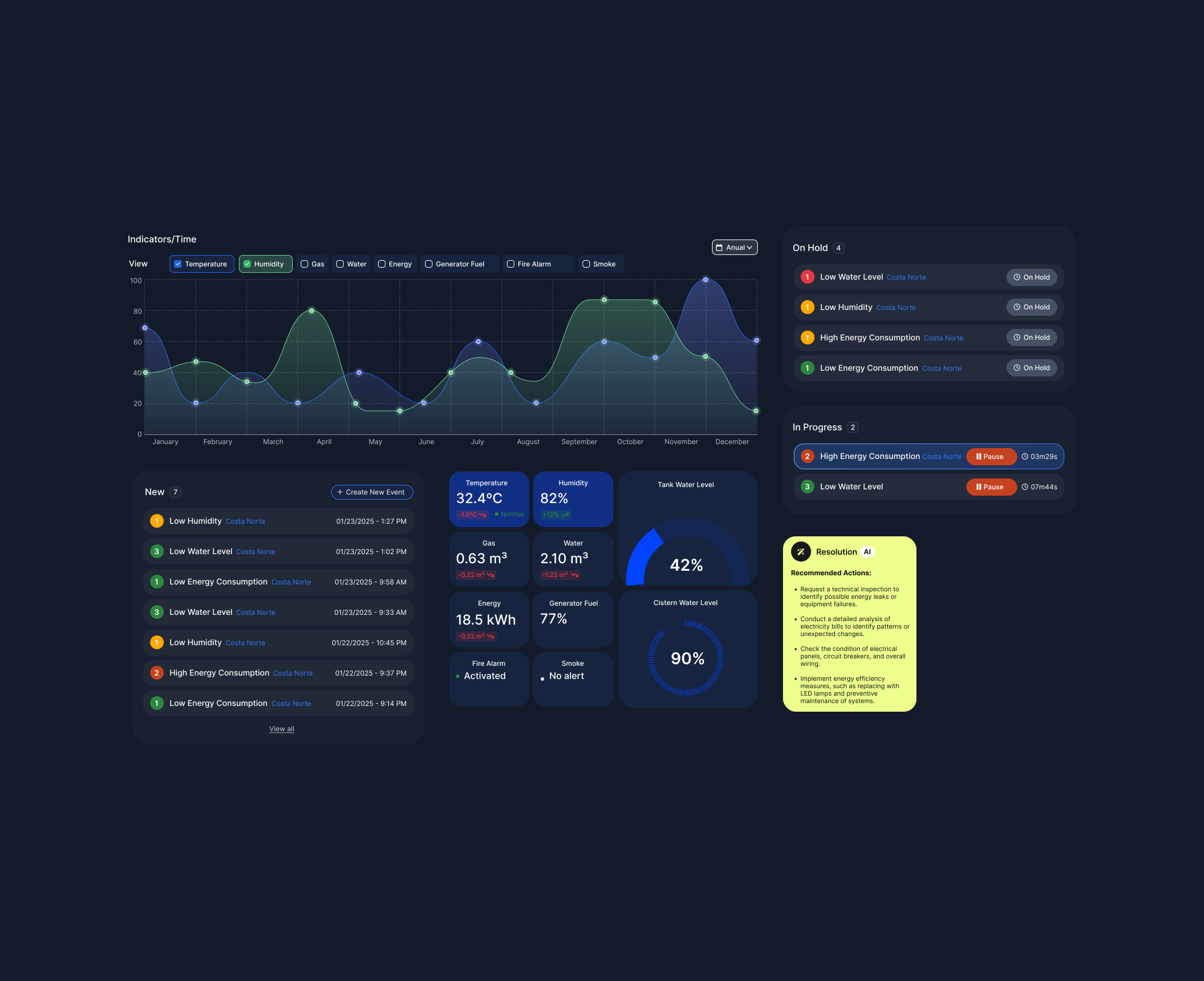
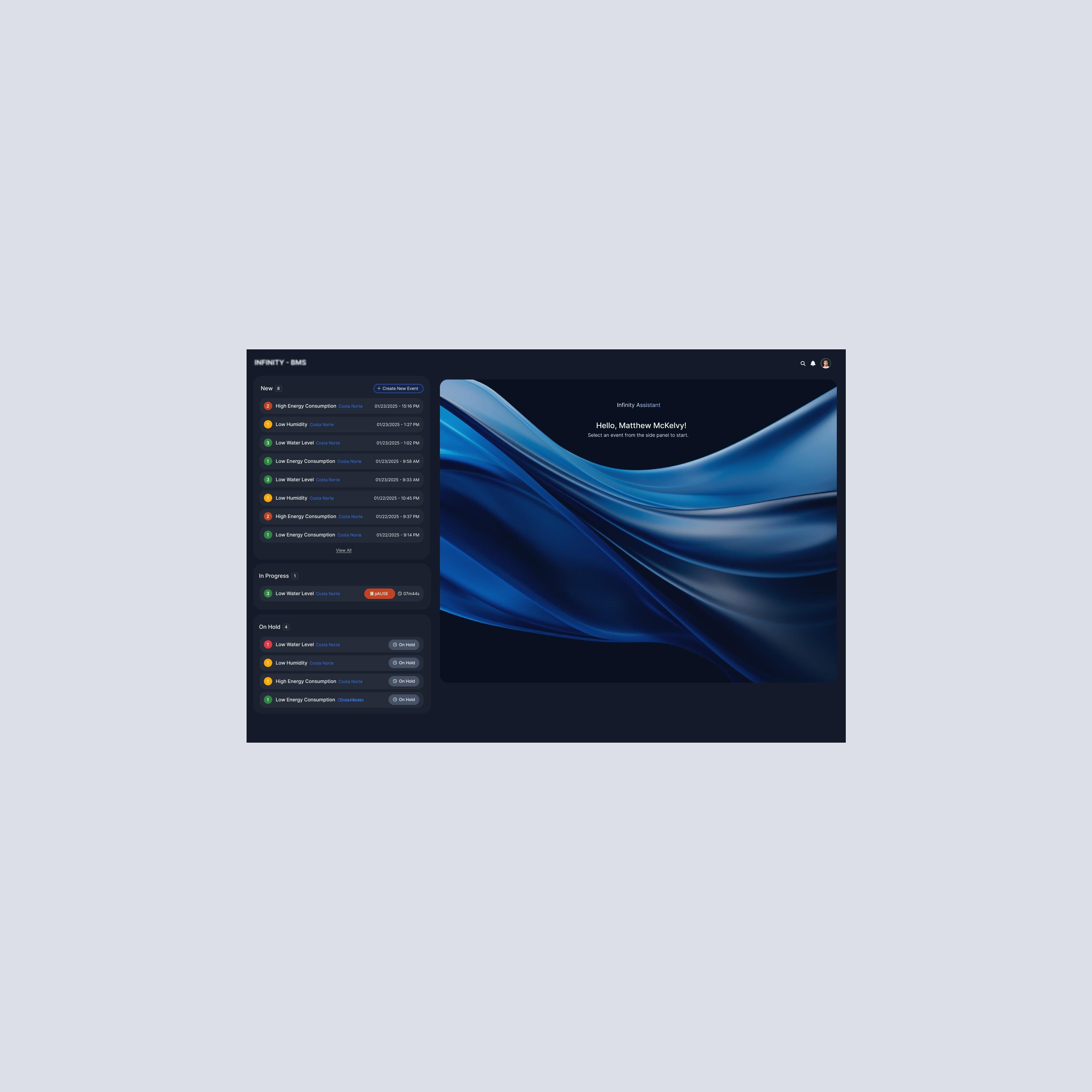
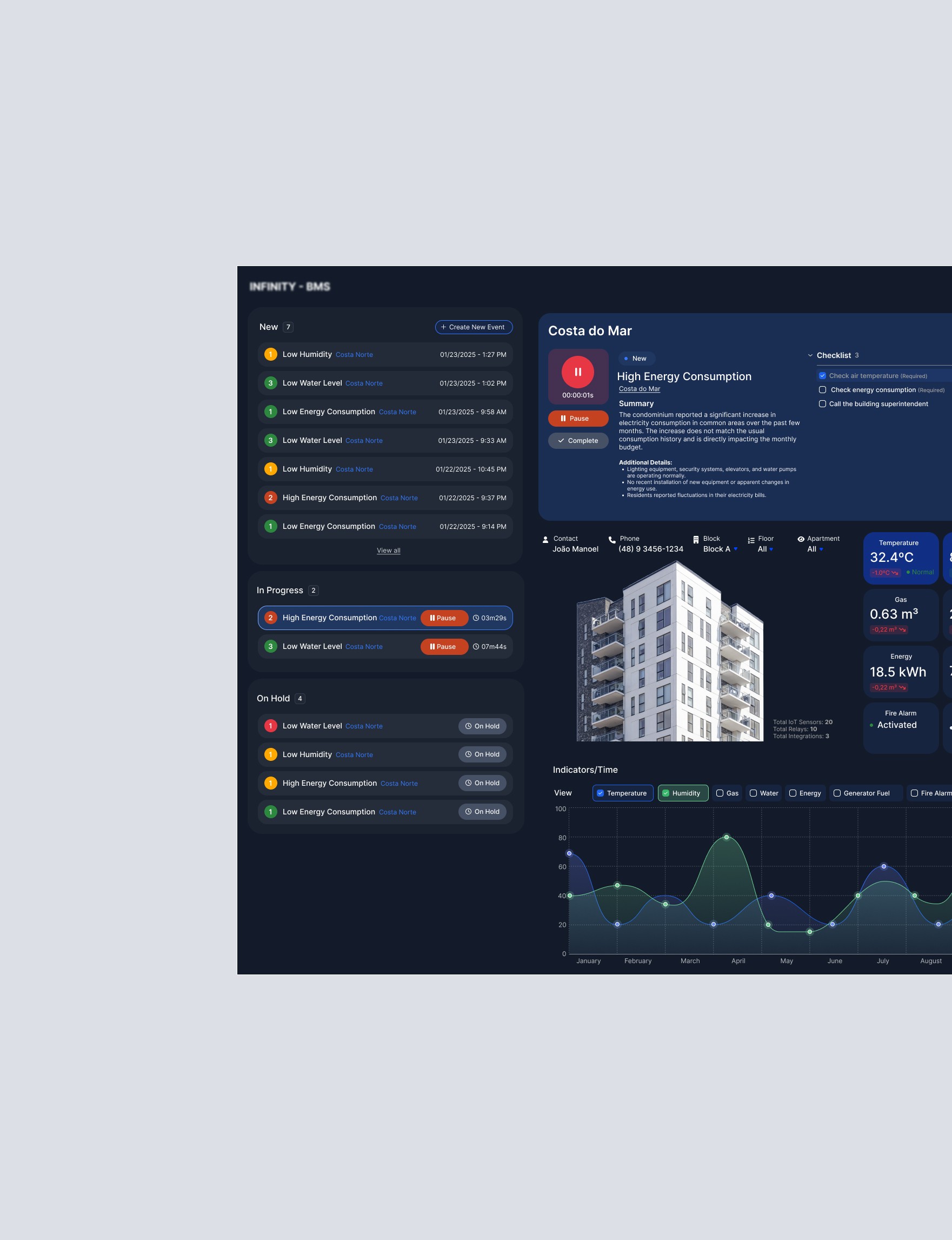
Property management firms often rely on operators to juggle dozens of manual tasks—logging requests, managing maintenance, updating building info, communicating with residents, and more. But most tools available are fragmented, outdated, and poorly structured, making execution harder instead of easier. Infinity is a B2B SaaS solution created to optimize the daily workflow of condominium operators. Designed to support execution at scale, it organizes core operational tasks in one place—bringing clarity, structure, and speed to high-volume routines. This prototype focuses on the operator experience inside large property management teams, addressing common friction points like status tracking, repetitive data entry, and scattered communications. The result is a smarter, cleaner, and more intuitive interface that helps operators work faster—with fewer errors and less mental overhead. Note: This product was originally designed for the Brazilian market. All UI screens were translated into English to ensure global understanding—without losing local context.
Problem Statement
Condo management operators face scattered tasks, outdated systems, and low visibility—slowing down workflows and increasing room for error.
Possible Solution
A centralized platform tailored to the reality of condo operators. Infinity simplifies daily workflows, organizes information by building, and provides task visibility at scale—enabling teams to act faster, track progress, and reduce operational friction.
My Role
Product Designer responsible for research, UX strategy, wireframing, and high-fidelity prototyping—focused on streamlining core operations for one of the platform’s main user groups: property management operators.
Design Process
This project followed a requirements-driven design approach shaped by direct input from internal stakeholders. The process was structured in four key stages: gathering functional needs, defining interface logic, structuring key flows, and delivering a high-fidelity prototype aligned with operational goals.
01
Gathering Functional Needs
Gathering Functional Needs
Mapped core features and tasks based on requirement documentation and stakeholder interviews. Prioritized operational flows used daily by admin operators. Despite the absence of user research, each decision was grounded in real business needs and process logic.
02
Defining Interface Logic
Transformed requirements into interface blueprints by aligning system capabilities with user expectations. Ensured consistent logic across modules to avoid ambiguity and reduce operational friction.
03
Structuring Key Flows
Outlined key workflows for daily condo operations—from unit management to request tracking—optimizing flow hierarchy to reduce cognitive overload and make task execution more intuitive and scalable.
04