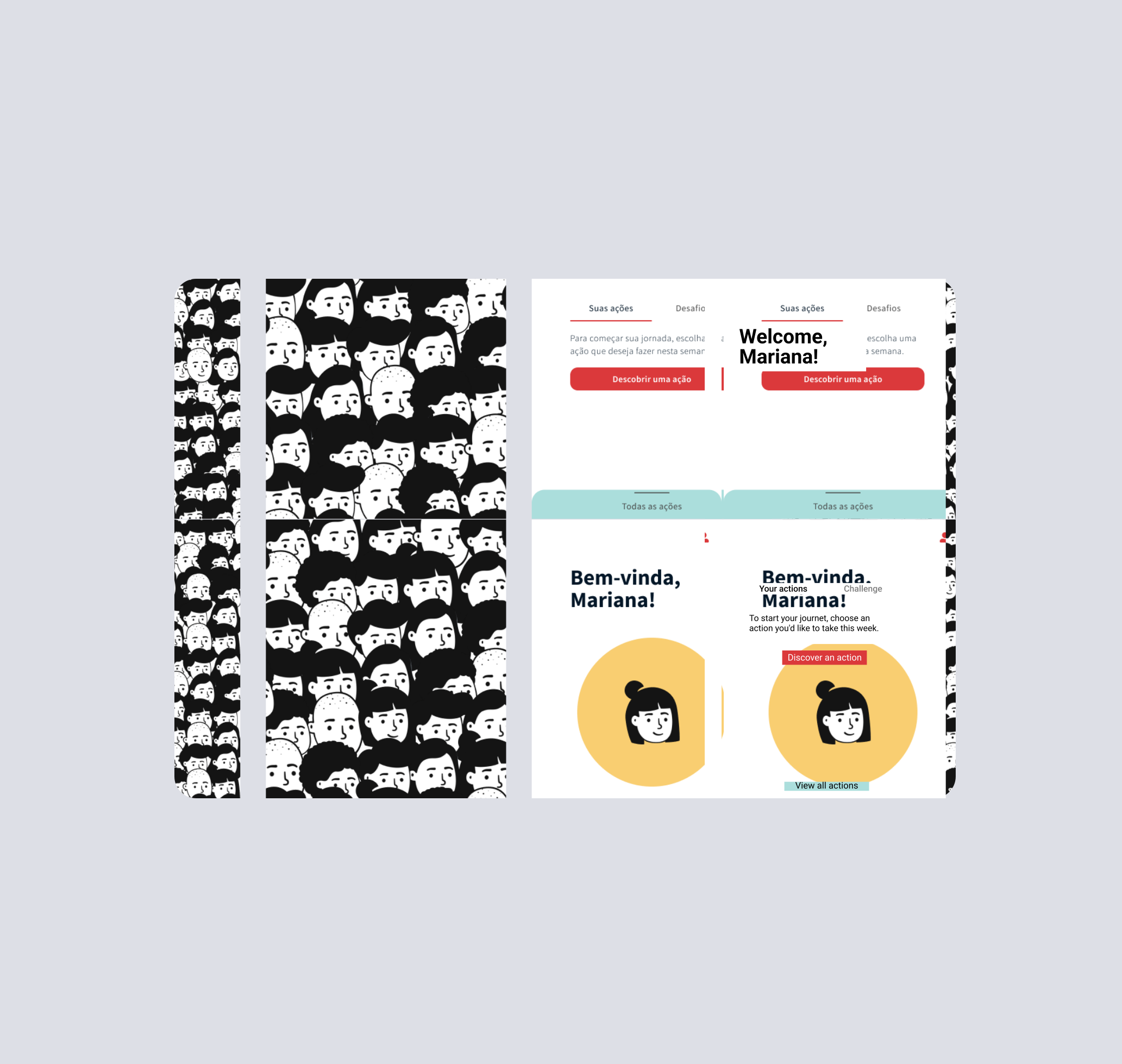
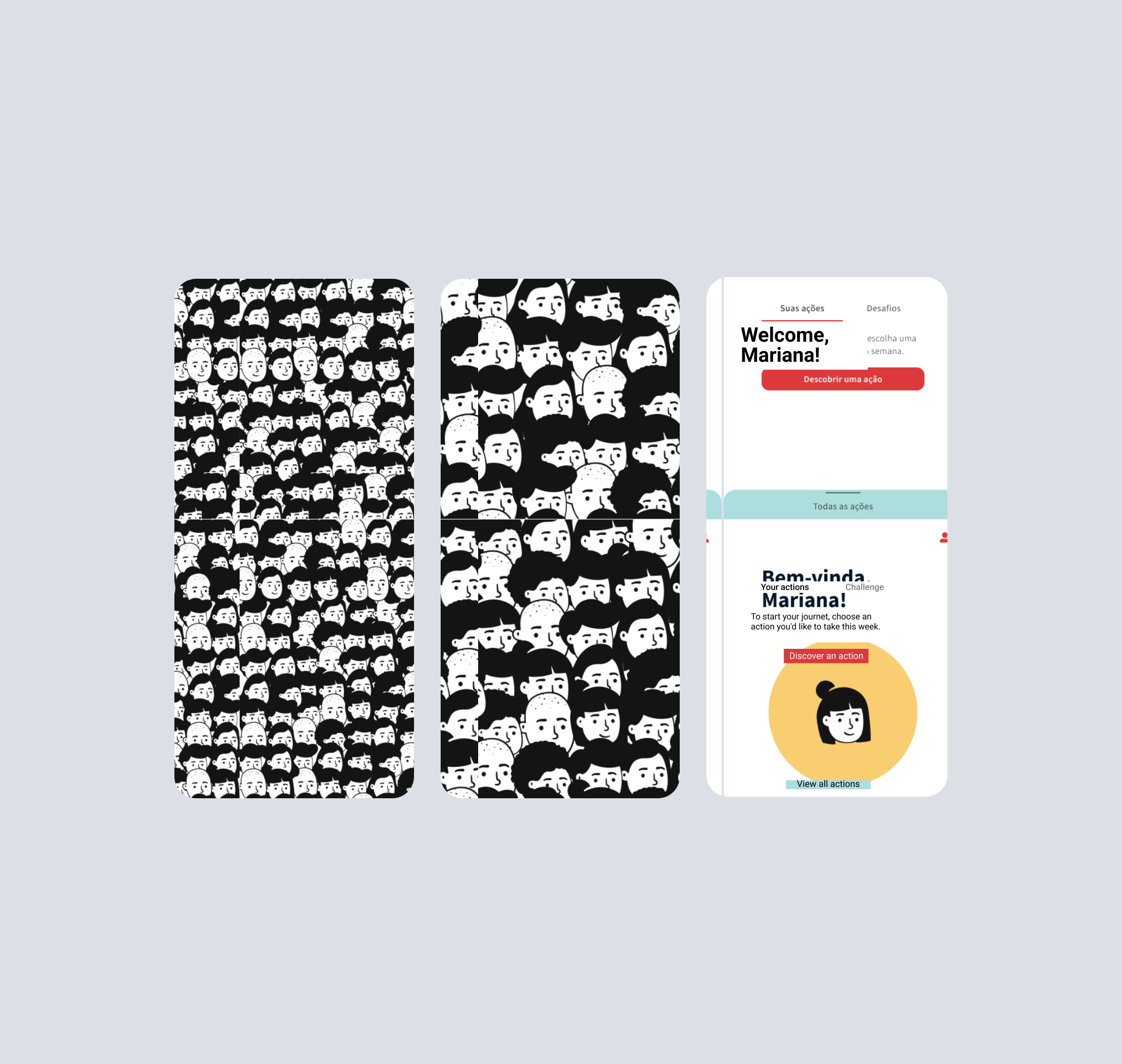
Industry
Sustainability / Climate Tech
Client
Flytt
Flytt — From Conscious Intent to Daily Action. A Behavior-Led App for Scalable ESG Impact
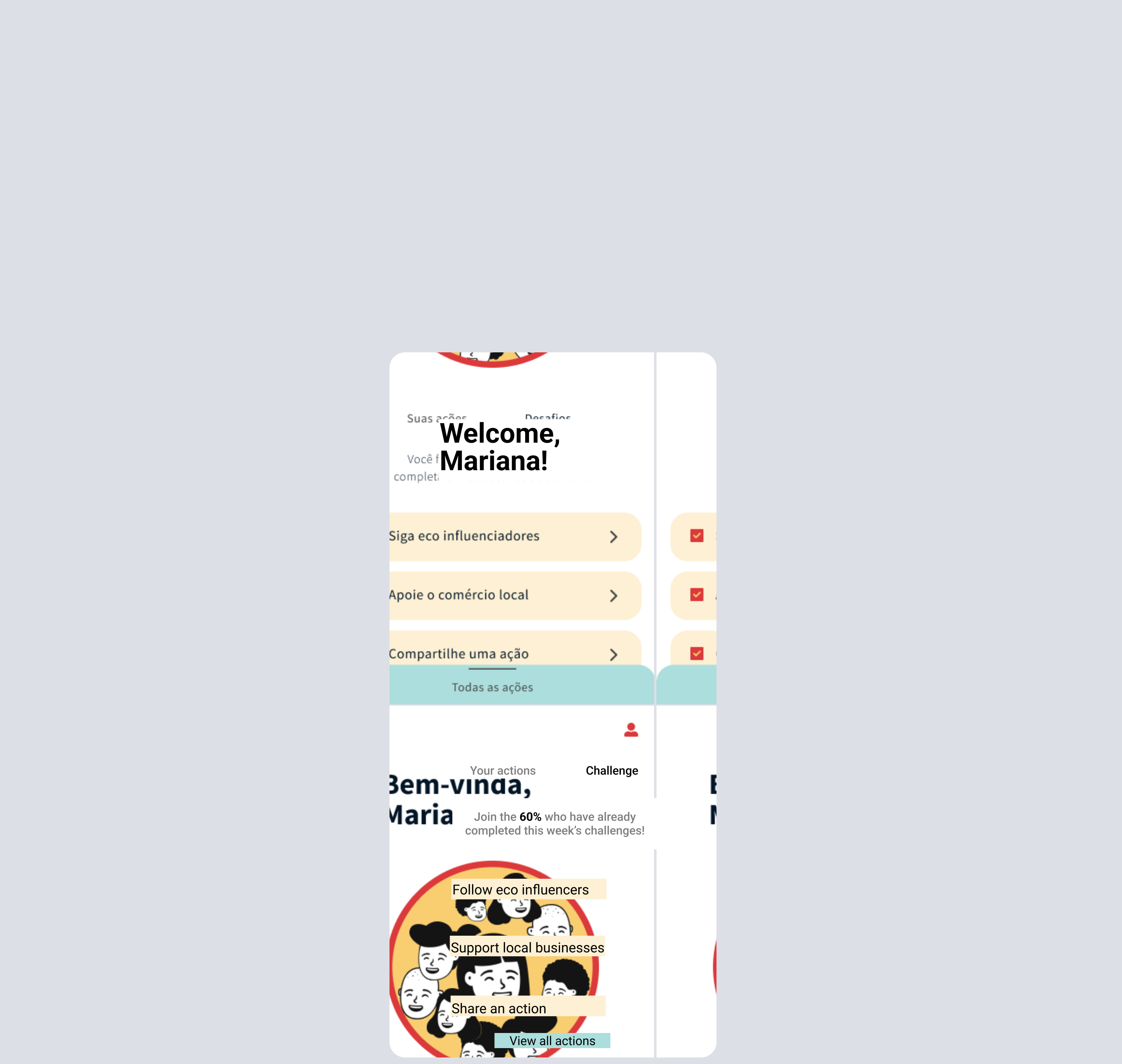
Shaping Habits, Scaling Impact: Designing a Behavior-Driven App for Sustainable Living
Sustainability is a shared responsibility—from governments and corporations to the daily behaviors of individuals. Yet even those who care deeply about the environment often struggle to turn concern into consistent action. A lack of accessible knowledge, support, and behavioral structure frequently leads to inaction or overwhelm. Flytt was created to address that gap. Developed in alignment with the UN’s Sustainable Development Goal 12 (Responsible Consumption and Production), this mobile app empowers users to build sustainable consumption habits through small, repeatable actions. By combining habit-tracking mechanics, personalized eco-scores, and educational content, the experience transforms sustainability from an abstract concept into something measurable, achievable, and embedded in daily life. This project demonstrates how product design can activate ESG through behavior—making it not just a principle, but a practice. Note: This project was originally created by me and another product designer as part of a challenge inspired by the UN’s Sustainable Development Goals. All content has been translated into English to support global understanding.
Problem Statement
Despite growing interest in sustainable living, existing tools often fail to turn awareness into repeatable action. The gap lies not in intention, but in execution: users need accessible, guided, and rewarding experiences that lower the barrier to entry and help sustainability become a habit.
Possible Solution
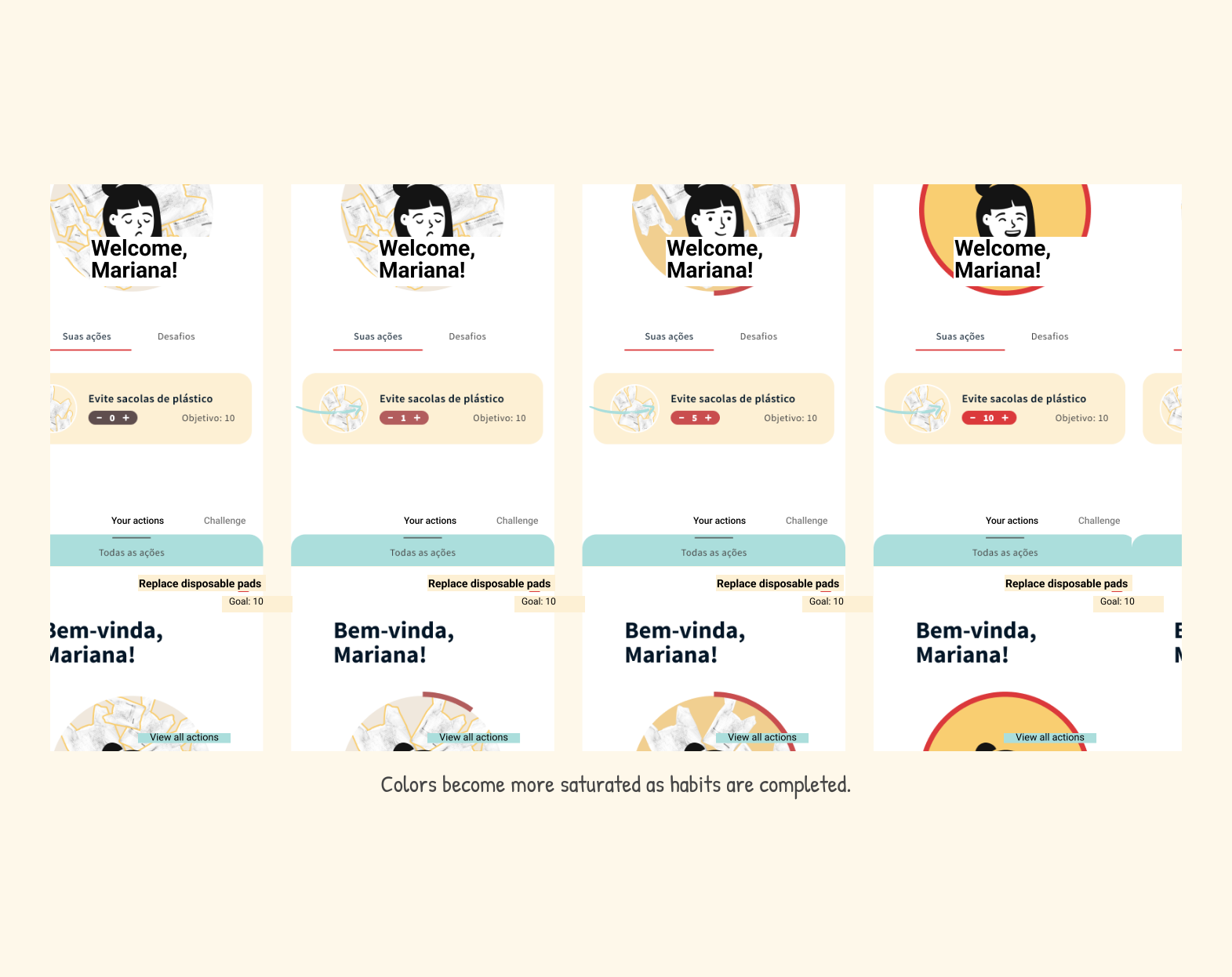
A mobile app that turns sustainability into small, repeatable behaviors—making eco-conscious living more accessible and engaging. Flytt combines behavioral design, habit-tracking mechanics, and personalized eco-scores to motivate action, and guide users toward long-term change.
My Role
UX/UI Designer responsible for the end-to-end product design process, including behavioral framing, journey mapping, interaction design, and high-fidelity prototyping. I co-led the concept and execution with another designer, collaborating on all strategic and visual decisions.
Design Process
This project followed a clear, human-centered design process focused on turning sustainable intention into daily action. It was structured in four key stages: understanding the challenge, defining the experience, structuring clarity and flow, and delivering the final prototype.
Understanding the Challenge: Investigated how sustainability is currently approached in digital products, and uncovered emotional and cognitive blockers to habit formation. Synthesized insights into behavioral opportunities.
Benchmarking / Research and Data Analysis
Defining the Experience: Framed the product’s value around real user needs, motivations, and emotional states. Aligned key features with habit-forming triggers and sustainability goals.
Personas / User Stories / Feature Mapping
Structuring Clarity and Flow Designed low-fidelity wireframes focused on intuitive navigation, clear hierarchy, and reduced cognitive load. Microcopy and flow were crafted to sustain engagement.
Information Architecture / Wireframes / Usability Testing
Delivering the Prototype Developed a high-fidelity prototype supported by a cohesive visual system and motivational language. Conducted testing to validate clarity, usability, and perceived value.
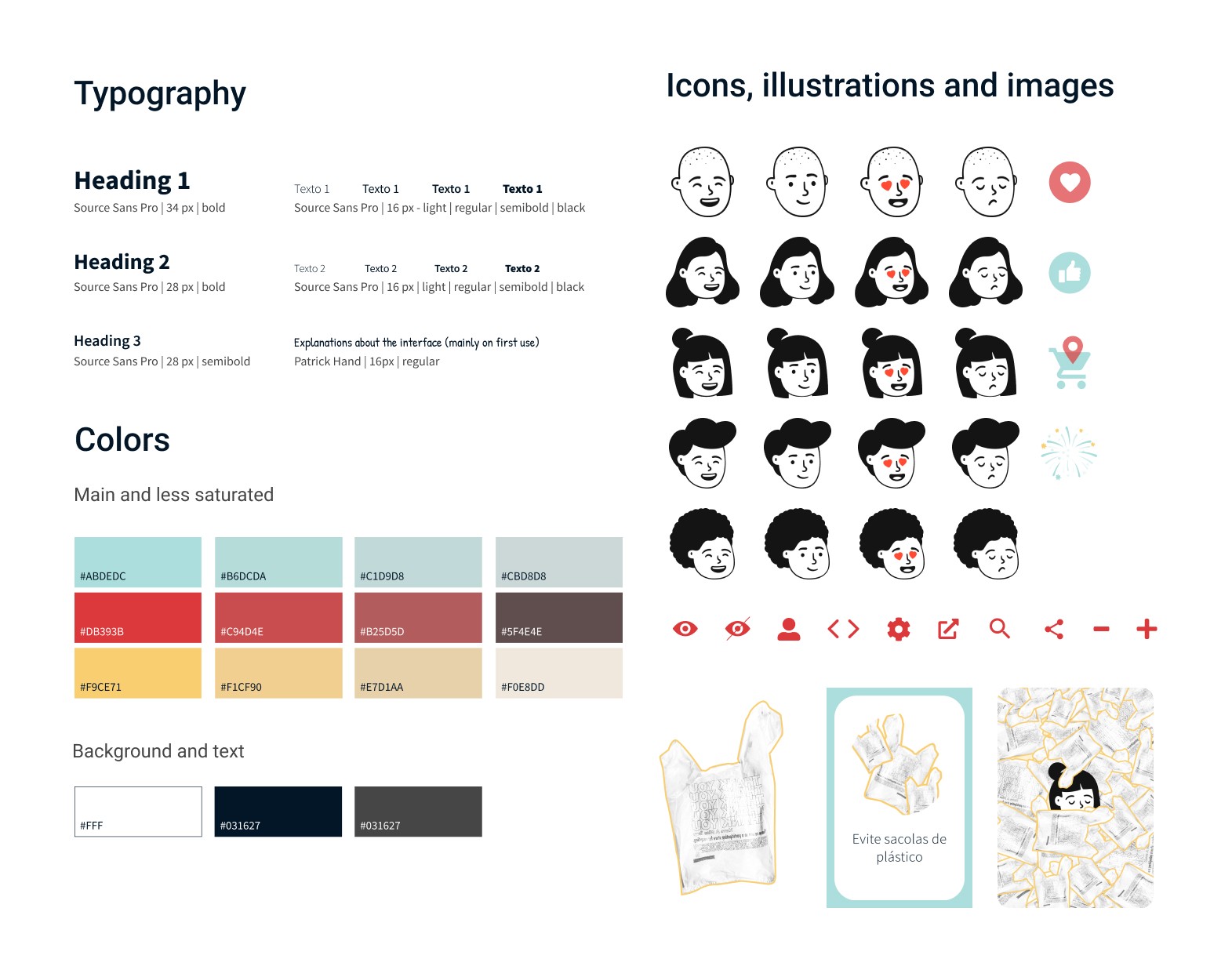
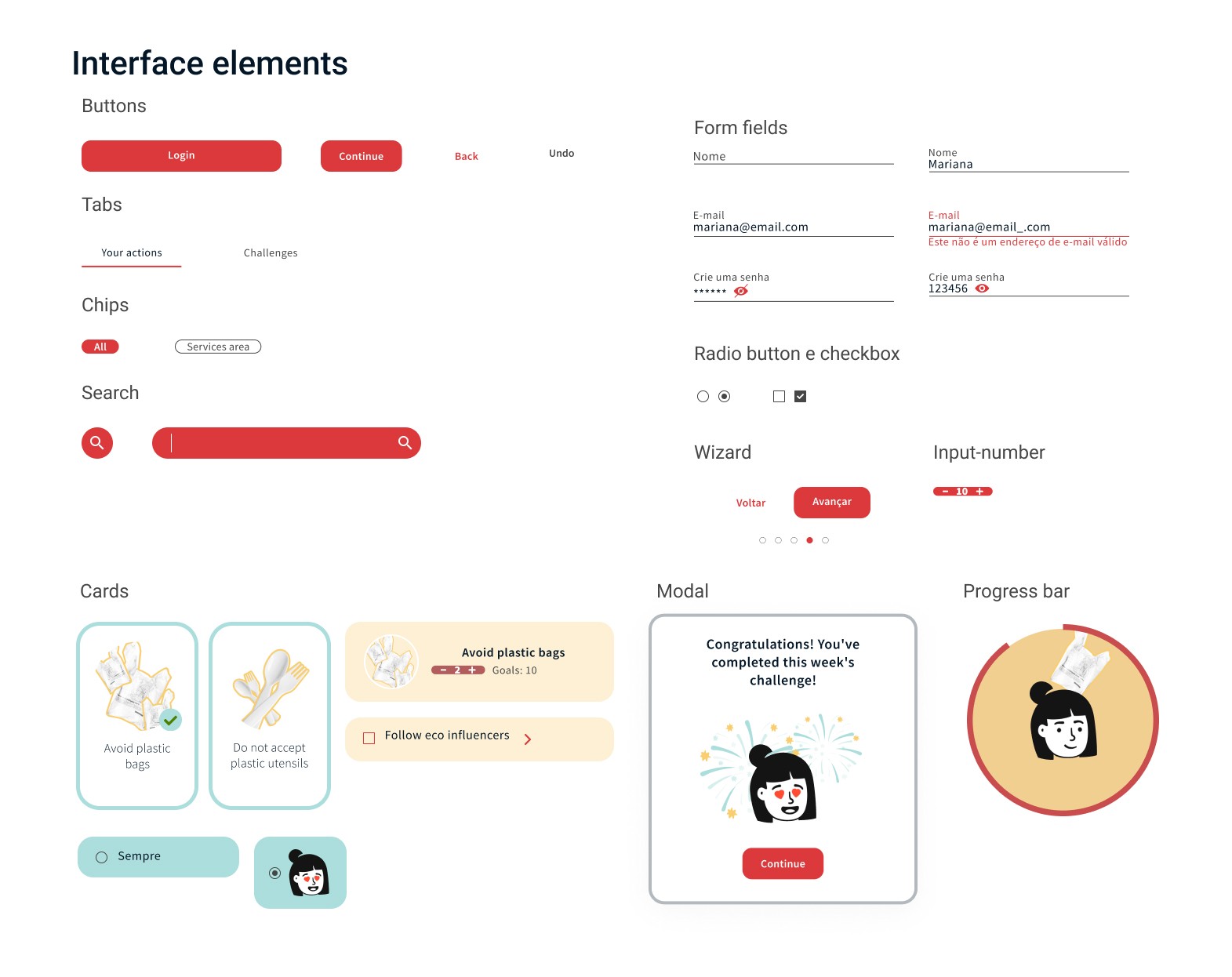
Visual Design / Style Guide
01
Understanding the Challenge
Benchmark
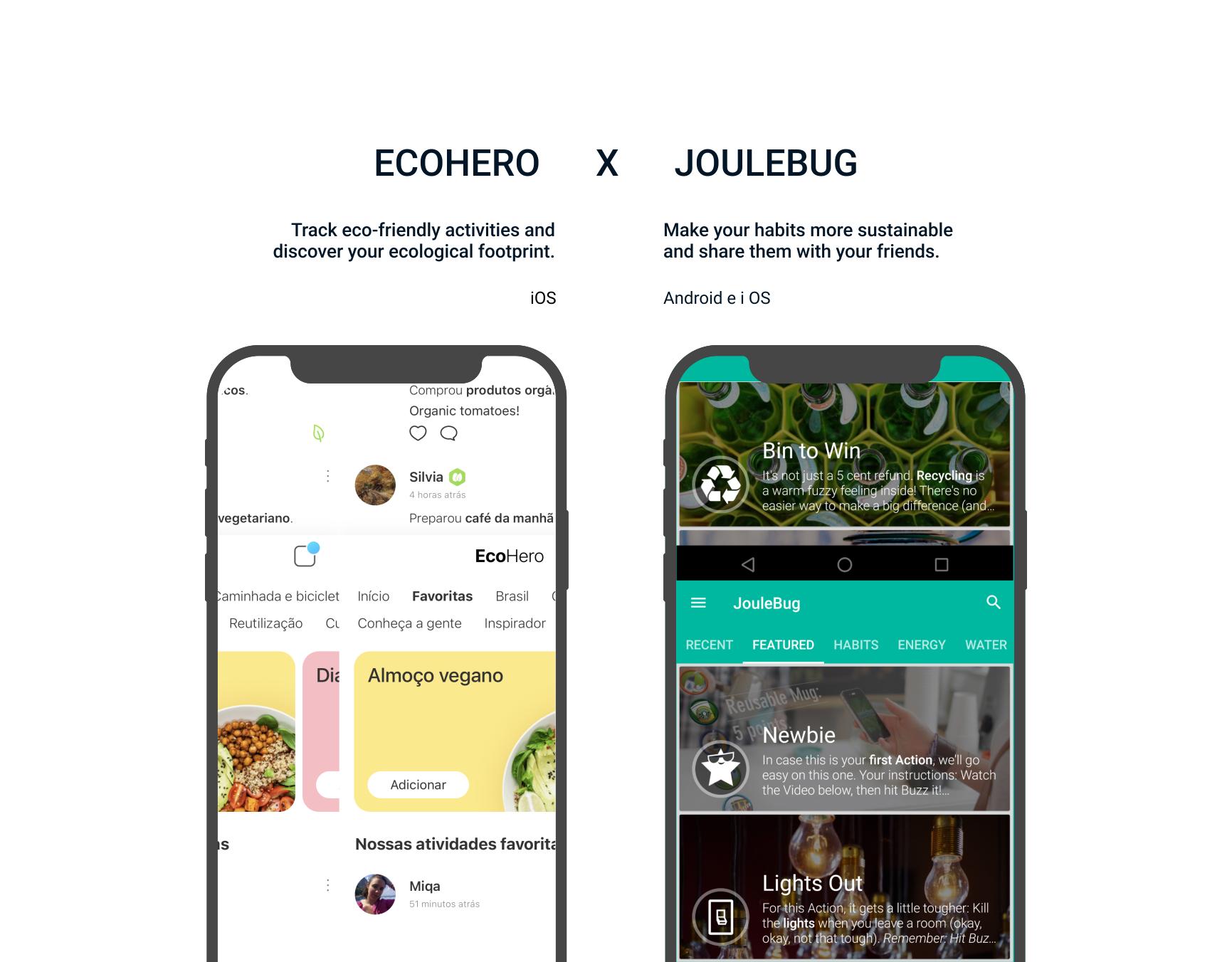
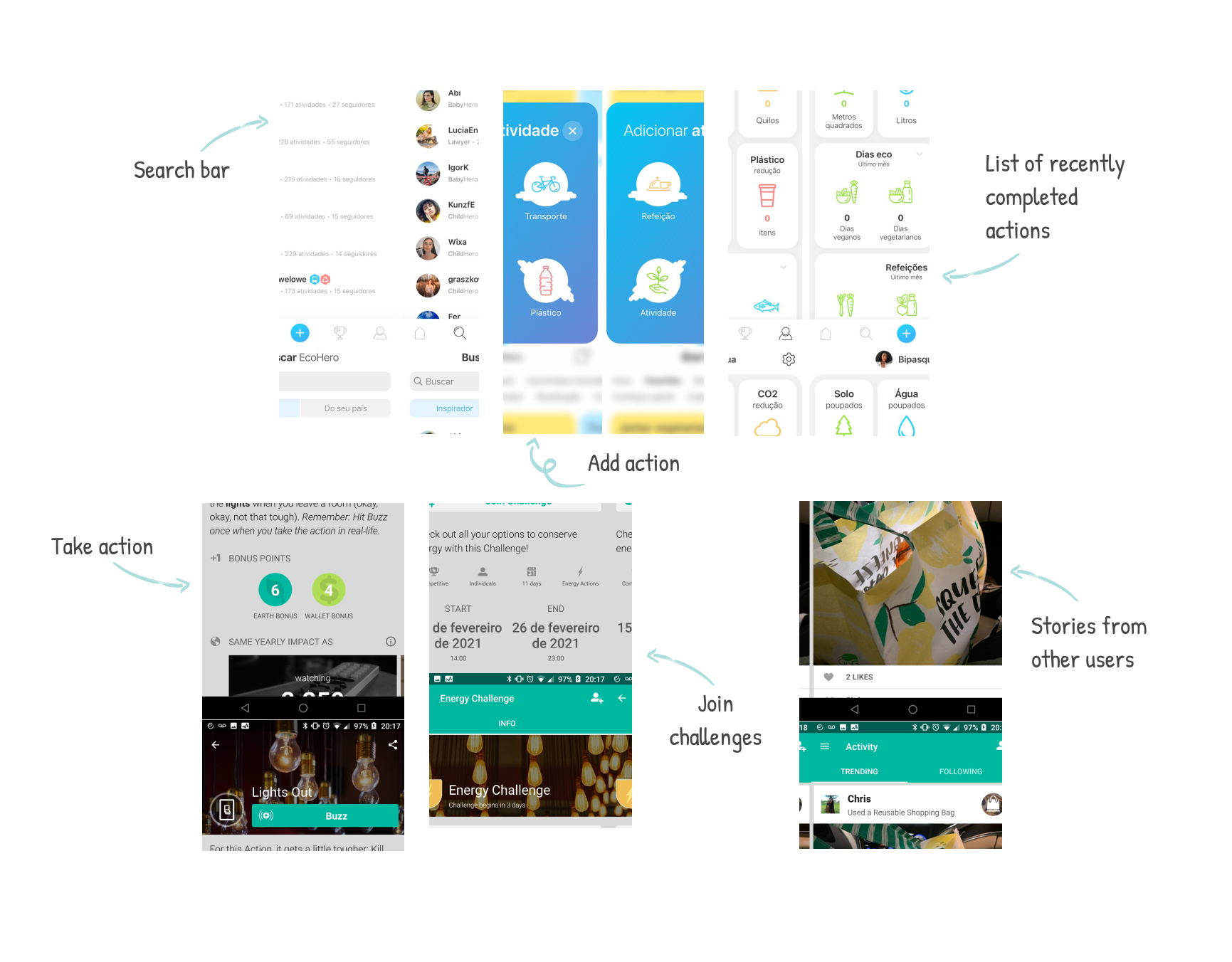
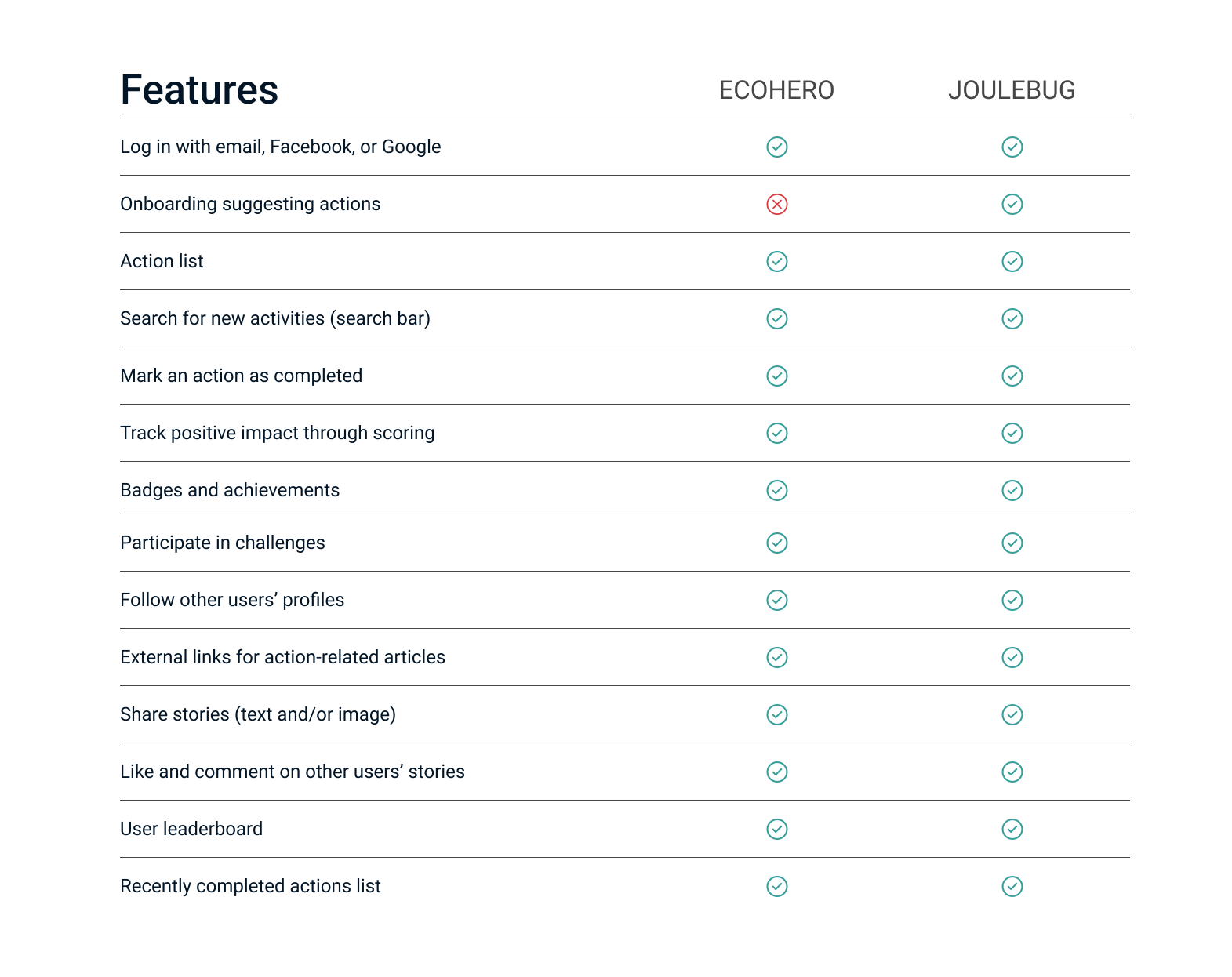
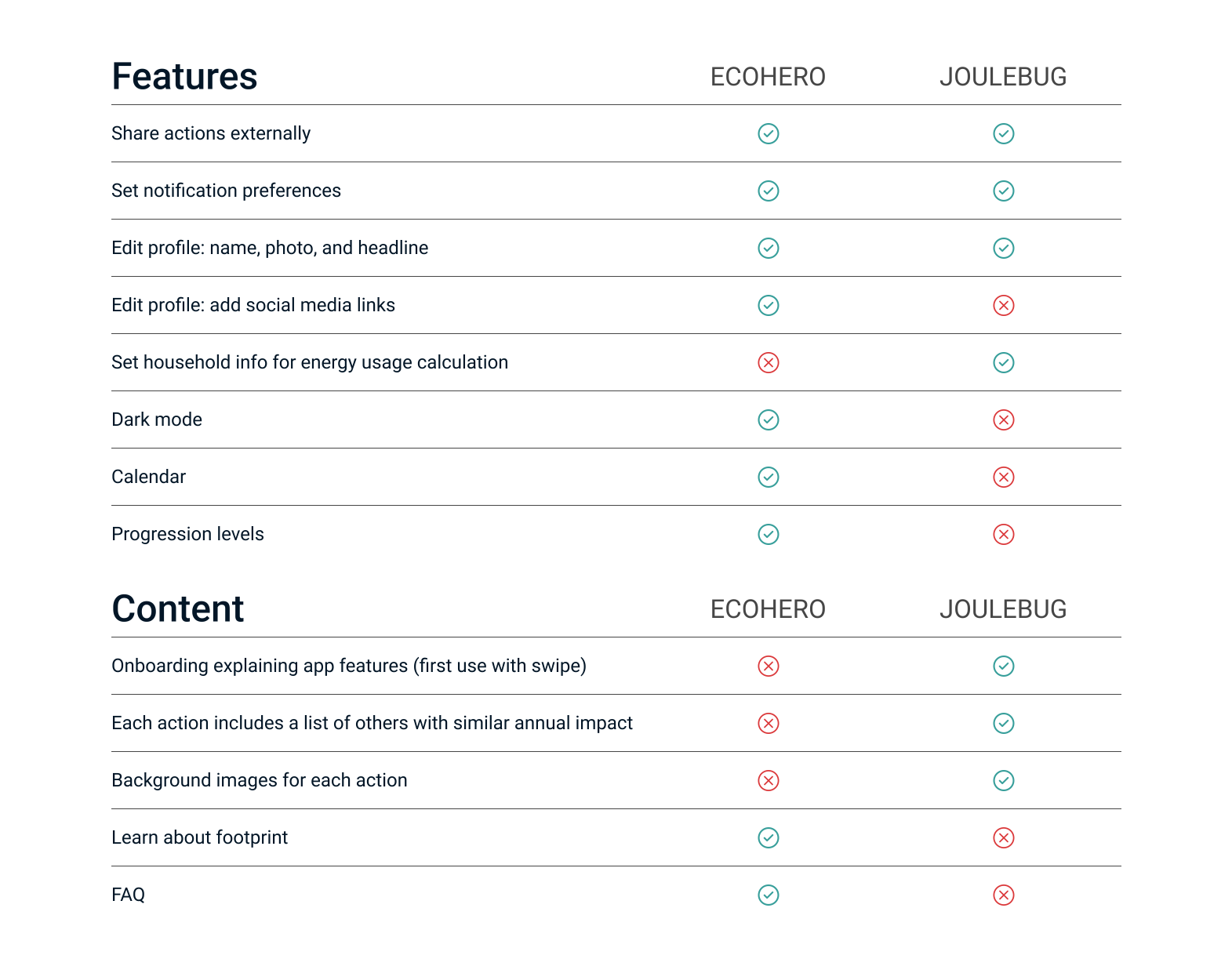
We started with the hypothesis that many people care about the environment and their personal impact—but still lack the knowledge or tools to turn that concern into consistent action. With that in mind, our initial proposal was to design an app focused on building and maintaining sustainable consumption habits, with an educational layer supporting the experience. To frame the research, we selected four target goals from the UN’s Sustainable Development Goal 12 (Responsible Consumption and Production) to guide the qualitative exploration. During the benchmark analysis, we found several american apps addressing sustainability and habit tracking—but none available in Portuguese language. Interestingly, most of these apps receive positive user reviews despite clear usability and accessibility issues. This revealed a clear opportunity: there’s demand, but room for improvement. We identified habit tracking as the most promising core feature to explore further. Action Pillars & Suggested Habits Guided by key targets from UN Sustainable Development Goal 12, we identified categories of habits that the app could support and promote through actionable suggestions: 1. Awareness & Education (Target 12.8) - Deliver bite-sized educational content on sustainable habits and their environmental impact. - Provide clear, contextual tips to put each habit into practice. - Quantify the user's impact through progress indicators and scores. 2. Food Waste Reduction (Target 12.3) - Encourage full use of food (e.g., using peels or composting). - Normalize purchasing items with visual imperfections. - Promote meal planning with priority on items close to expiration. - Educate on proper storage to avoid spoilage. 3. Resource Efficiency (Target 12.2) - Reduce water and energy waste (e.g., turning off lights, closing taps). - Encourage sustainable commuting (e.g., walking, biking). - Suggest resource optimization (e.g., double-sided paper use). - Promote reduced consumption of animal products. 4. Waste Prevention & Recycling (Target 12.5) - Promote conscious shopping (e.g., buying only when necessary). - Encourage repair over replacement. - Incentivize proper recycling and donating items in good condition. - Highlight the benefits of second-hand products.
Research and Data Analysis
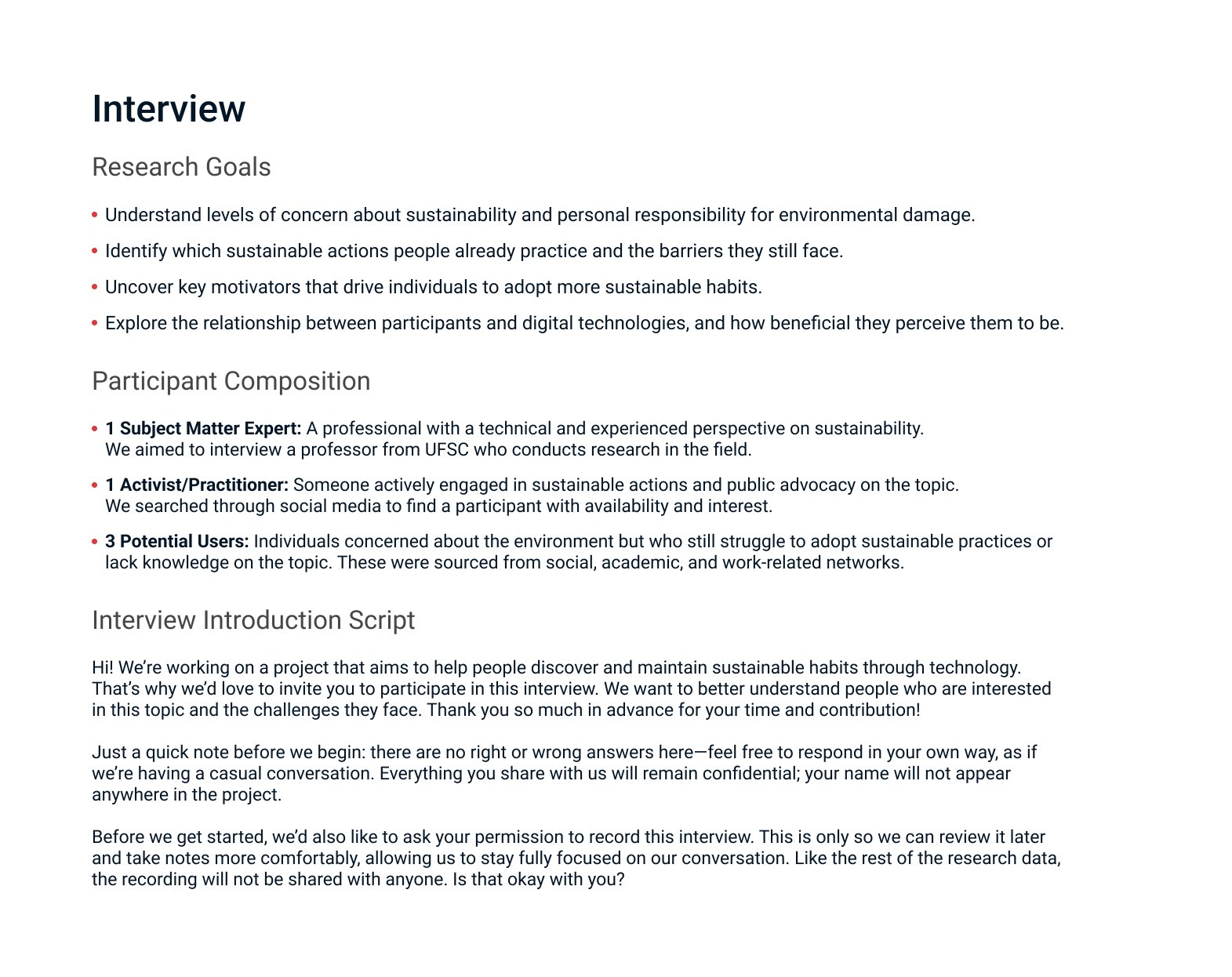
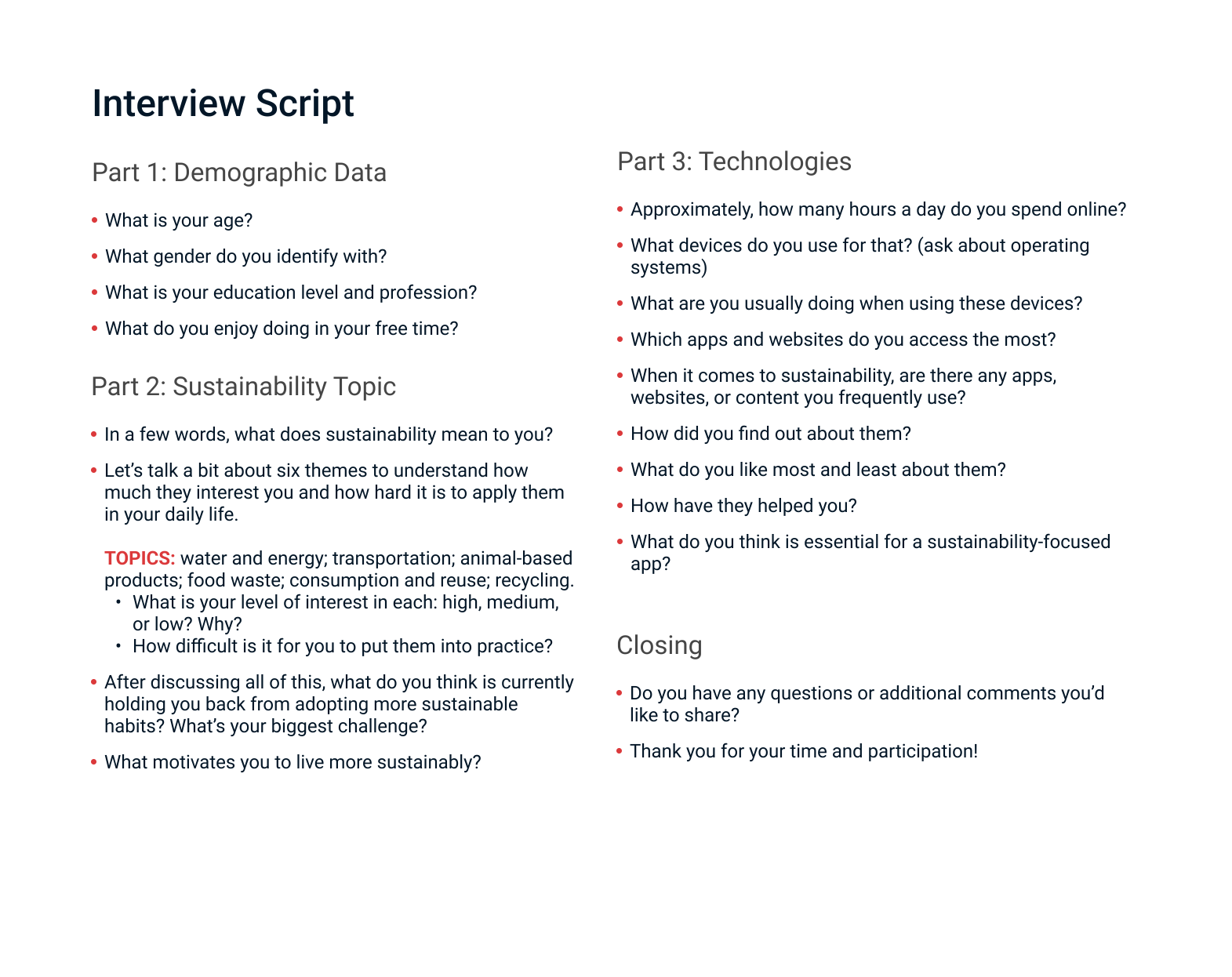
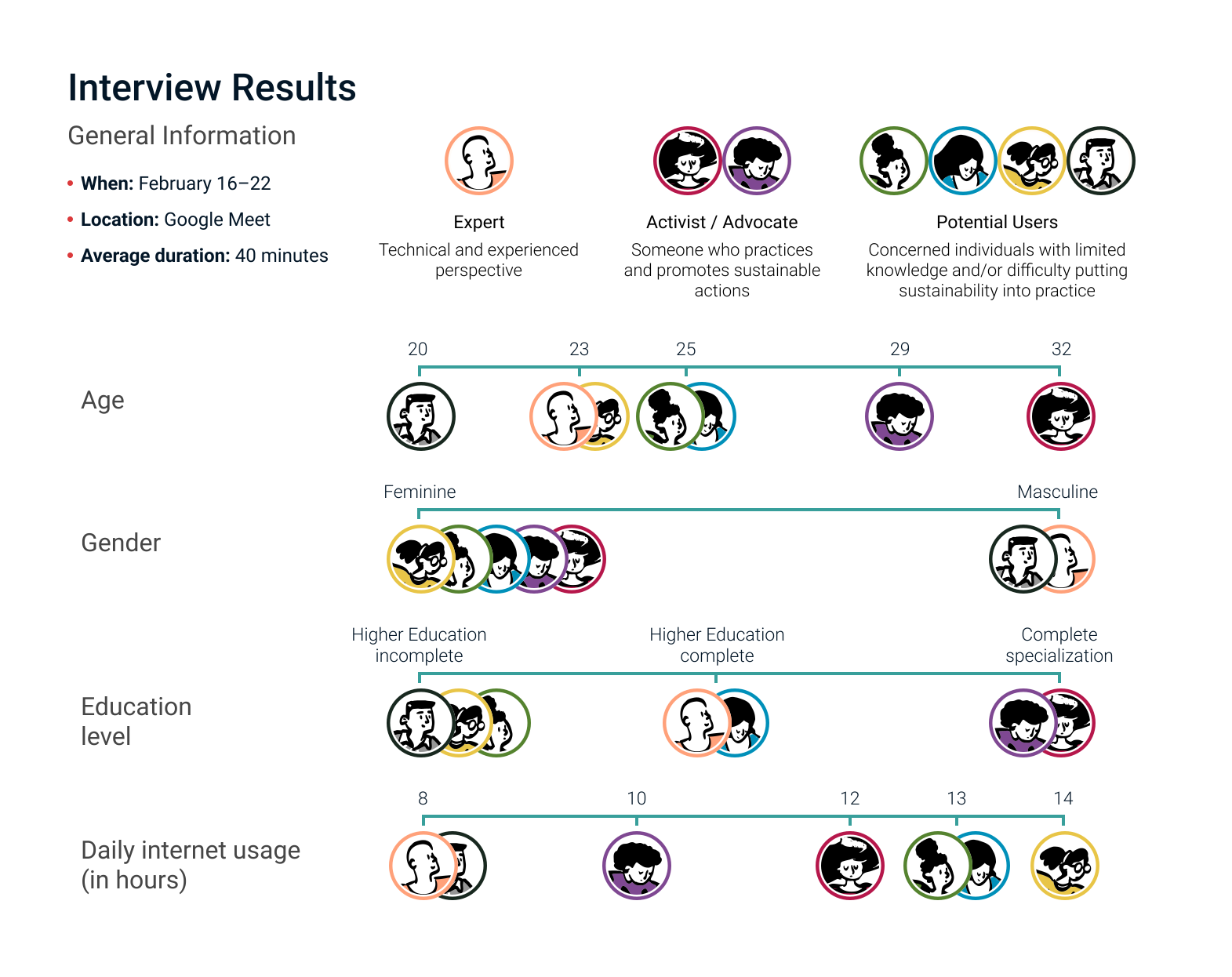
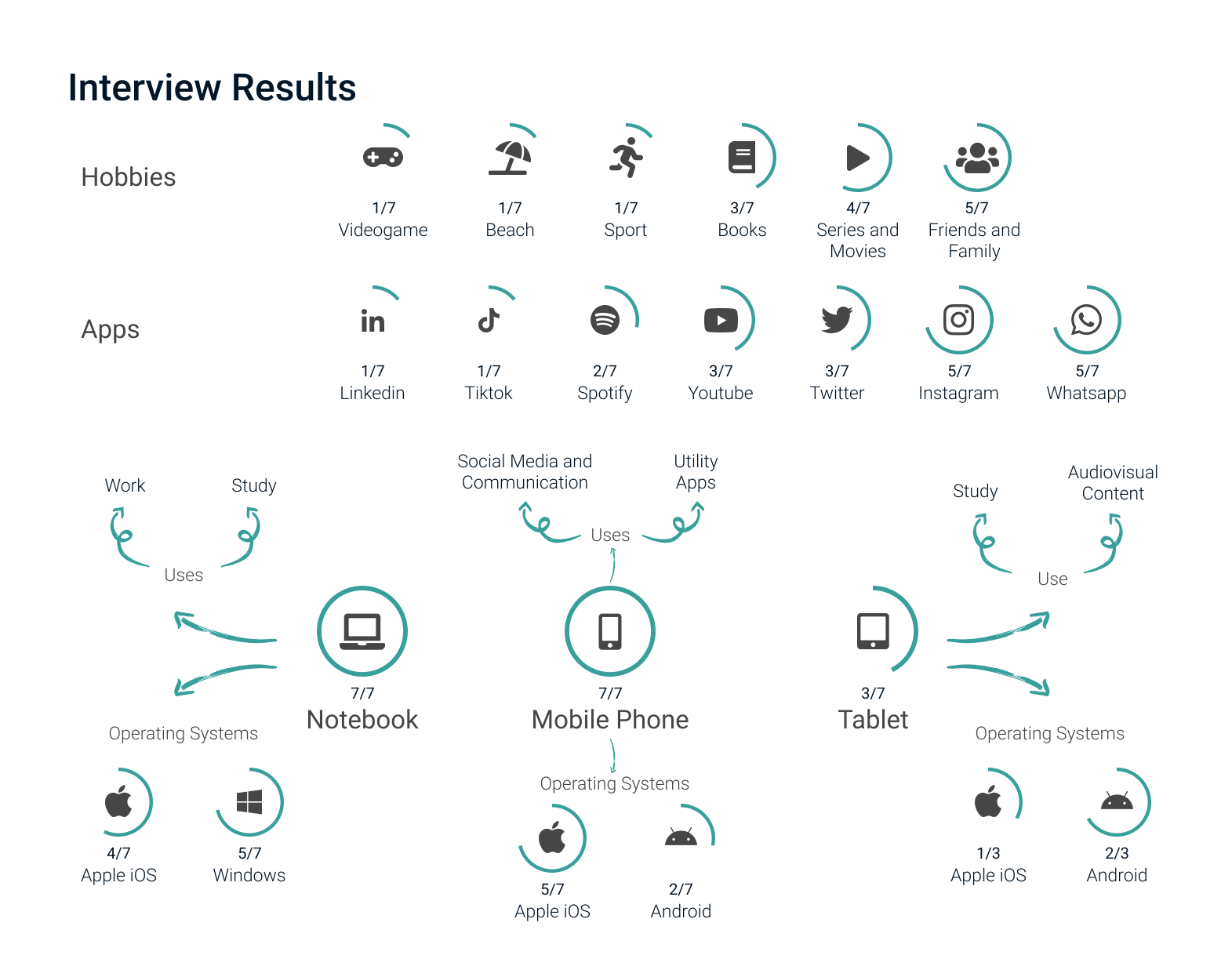
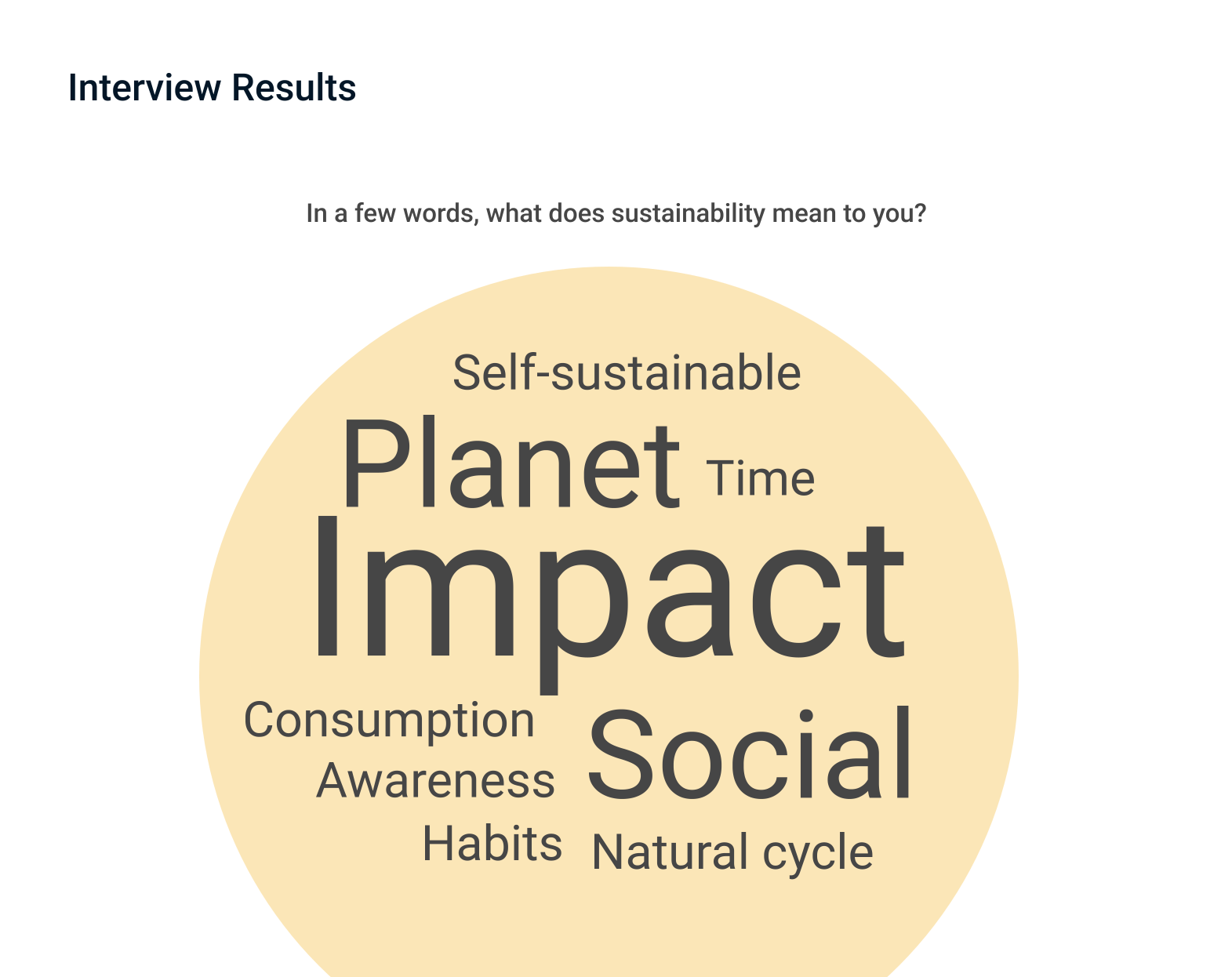
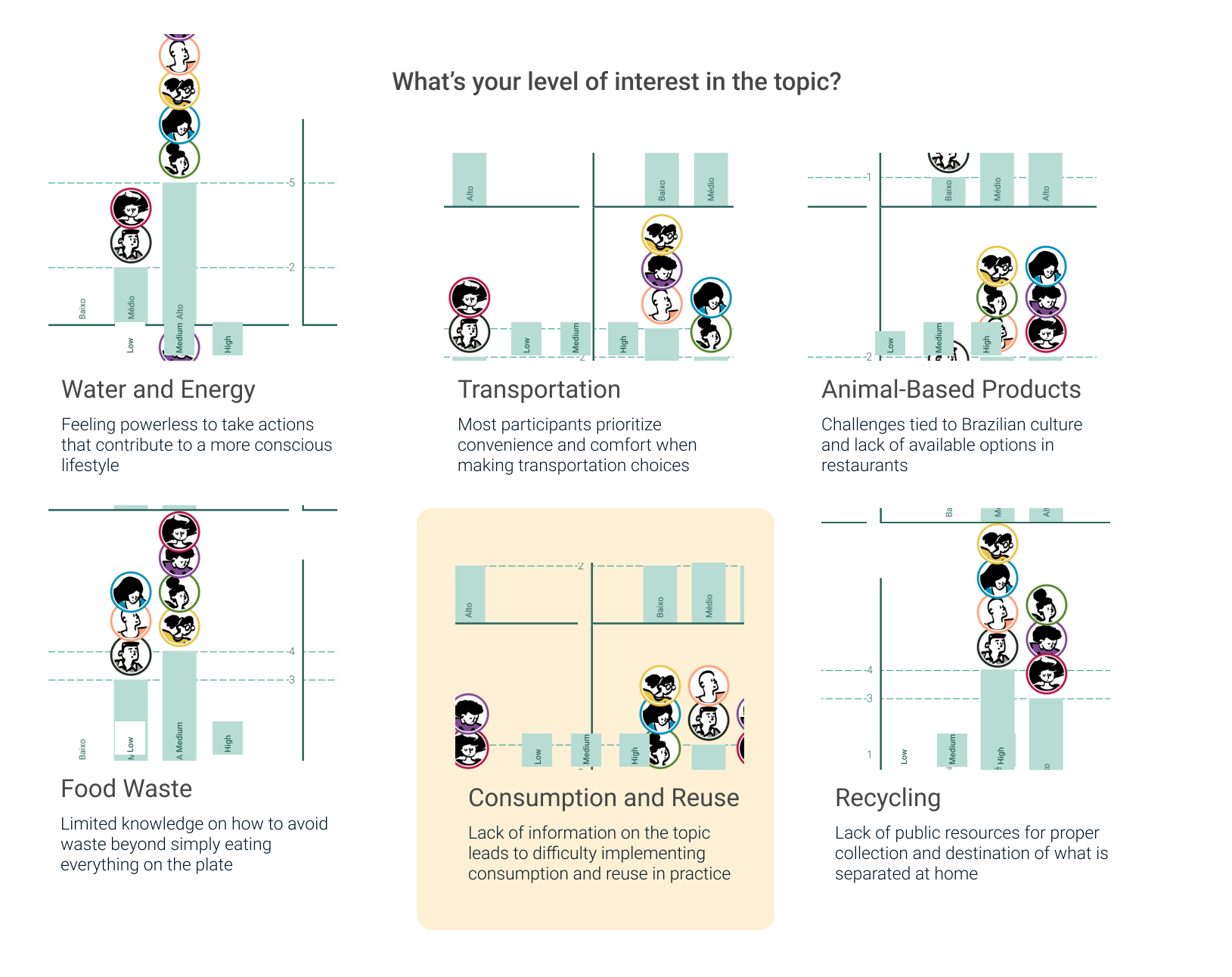
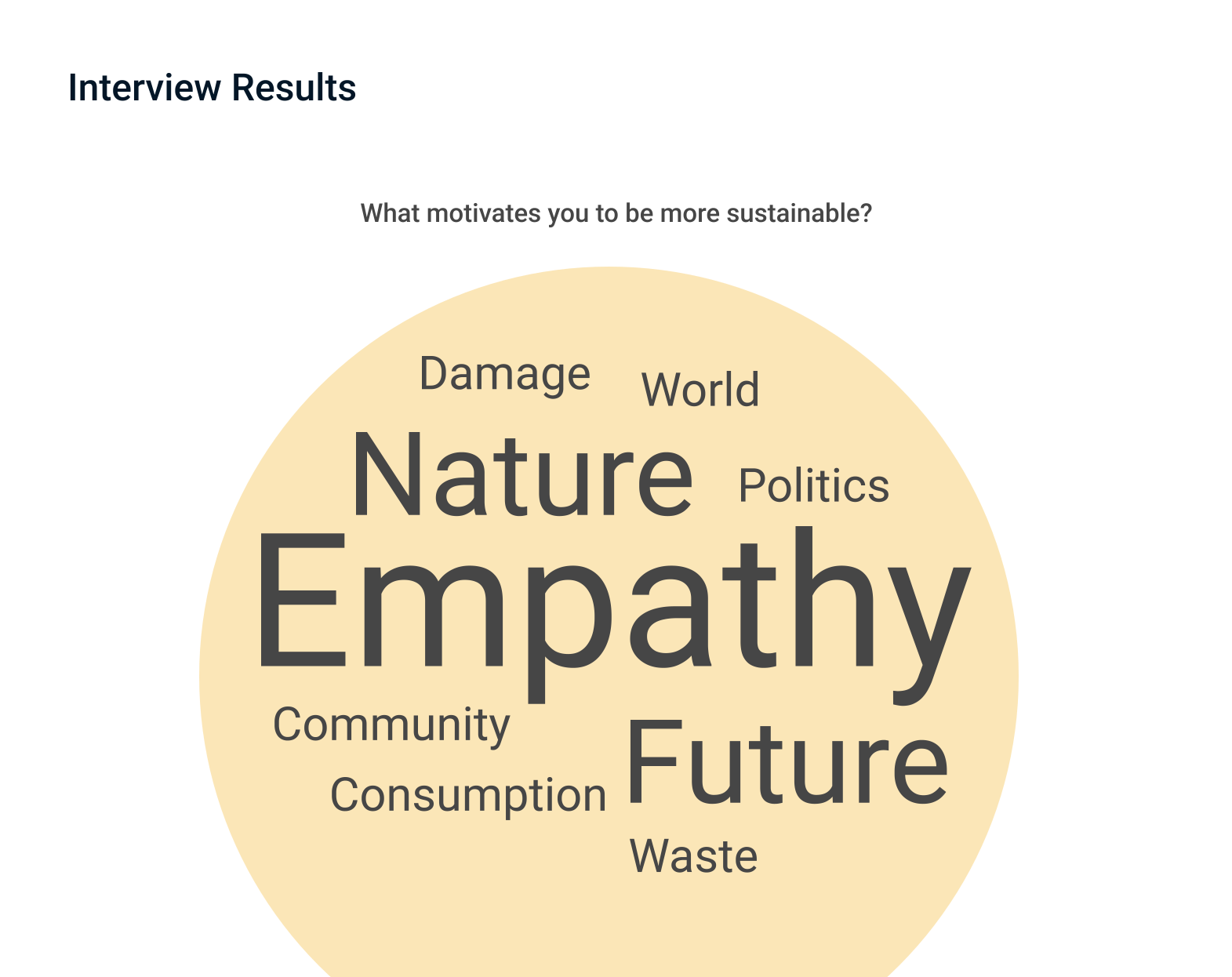
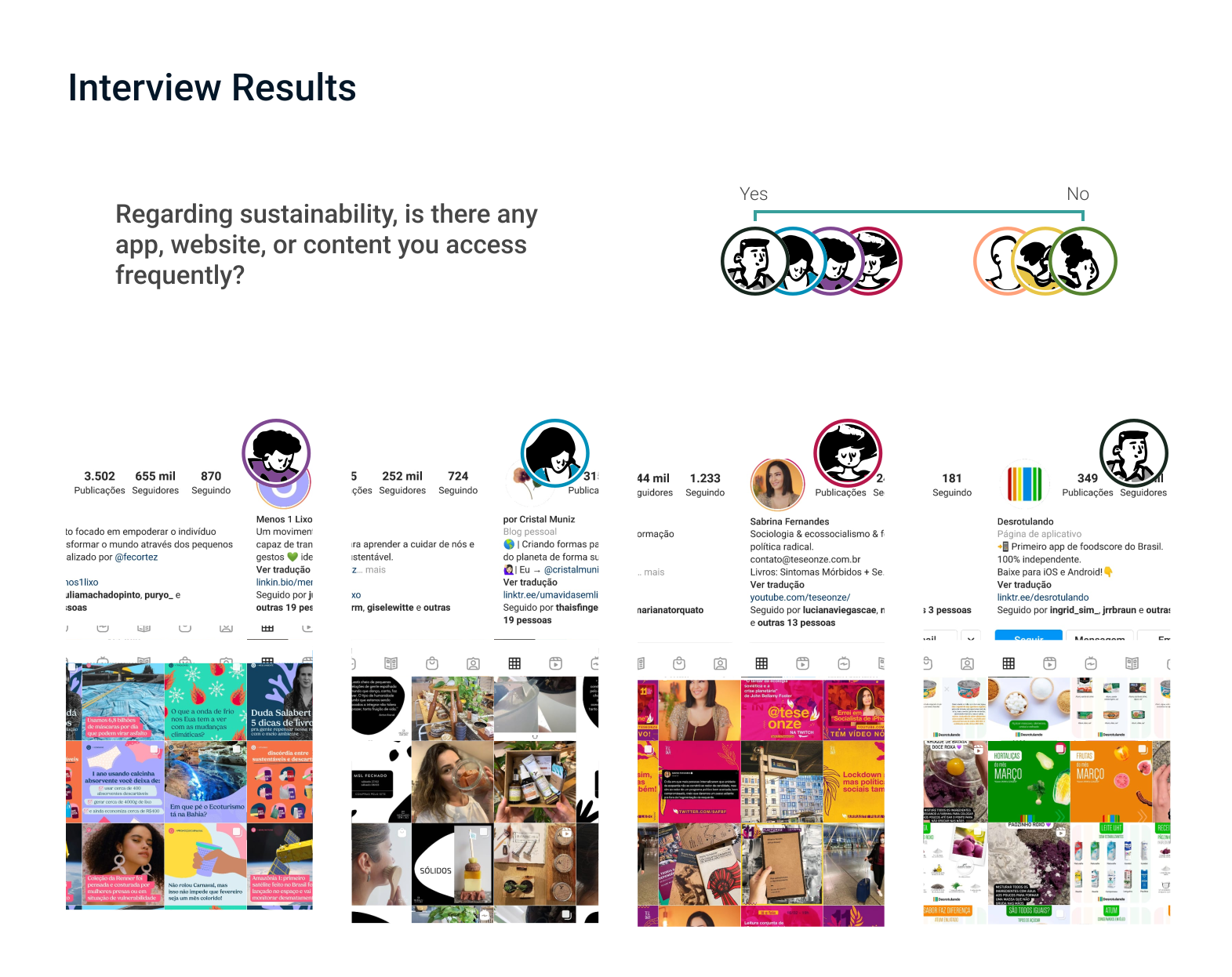
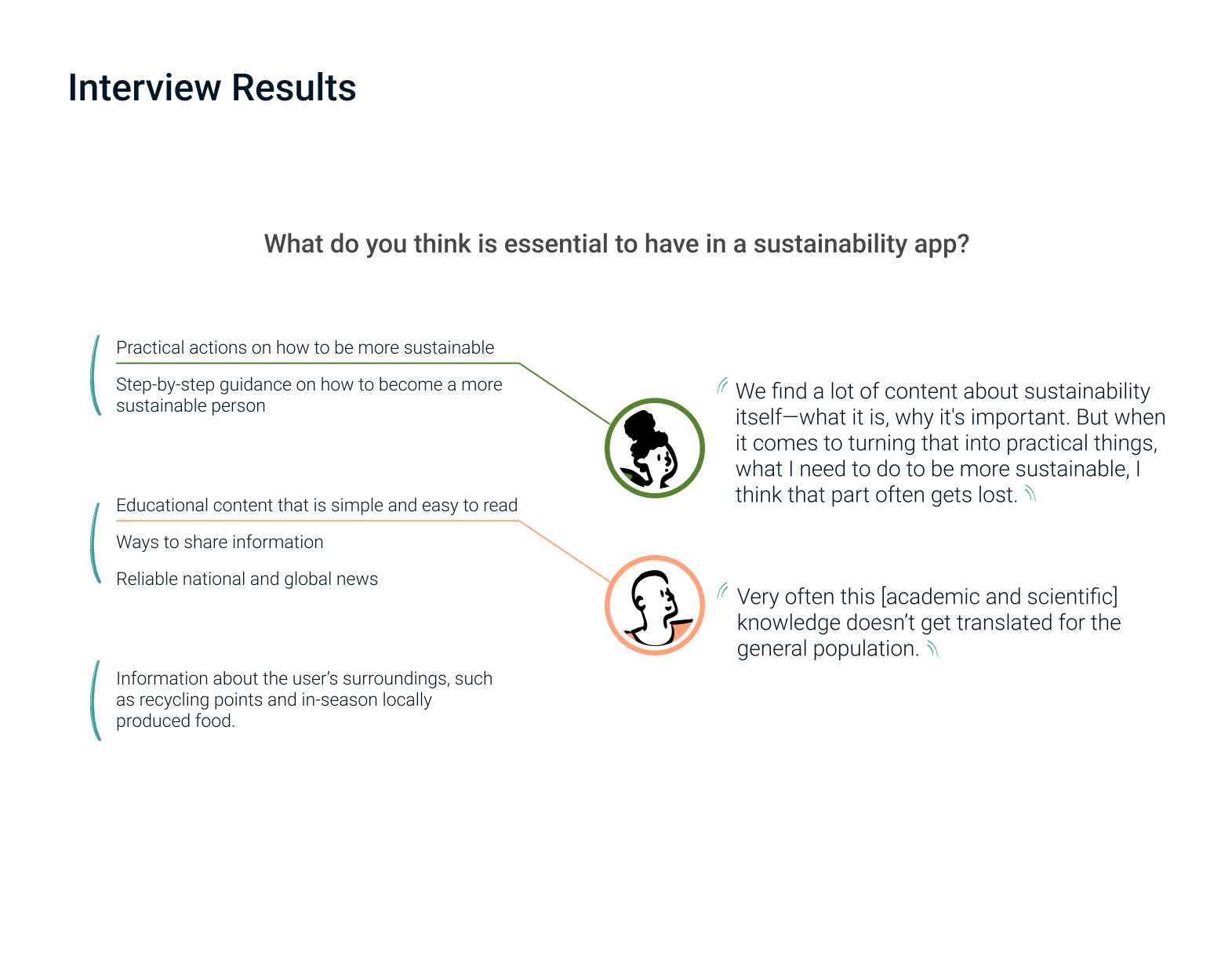
To validate our initial hypothesis and uncover real-world pain points, we conducted qualitative research through user interviews. The goal was to better understand people’s awareness of sustainability, their motivations, and the behavioral barriers they face when trying to live more consciously. We interviewed participants across different age groups, backgrounds, and lifestyles, focusing on their daily consumption habits, level of environmental knowledge, and willingness to adopt new sustainable behaviors. These insights helped us move beyond assumptions and shape a solution grounded in actual user behavior—one that could meet people where they are, not where we wish they were. Research Goals - Understand levels of concern about sustainability and personal responsibility for environmental damage. - Identify which sustainable actions people already practice and the barriers they still face. - Uncover key motivators that drive individuals to adopt more sustainable habits. - Explore the relationship between participants and digital technologies, and how beneficial they perceive them to be. Participant Composition - 1 Subject Matter Expert: A professional with a technical and experienced perspective on sustainability. We aimed to interview a professor from UFSC who conducts research in the field. - 1 Activist/Practitioner: Someone actively engaged in sustainable actions and public advocacy on the topic. We searched through social media to find a participant with availability and interest. - 3 Potential Users: Individuals concerned about the environment but who still struggle to adopt sustainable practices or lack knowledge on the topic. These were sourced from social, academic, and work-related networks.
02
Defining the Experience
Personas
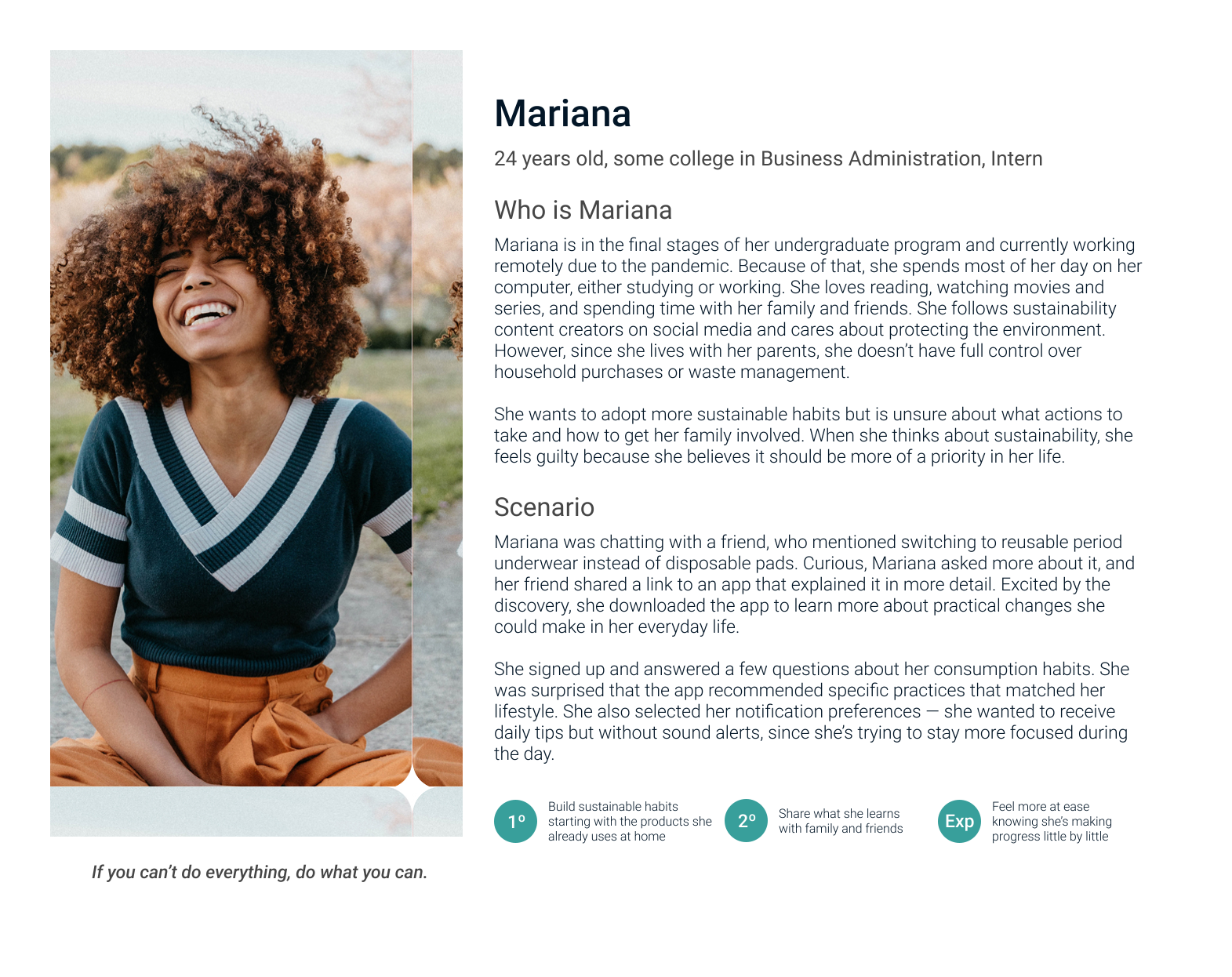
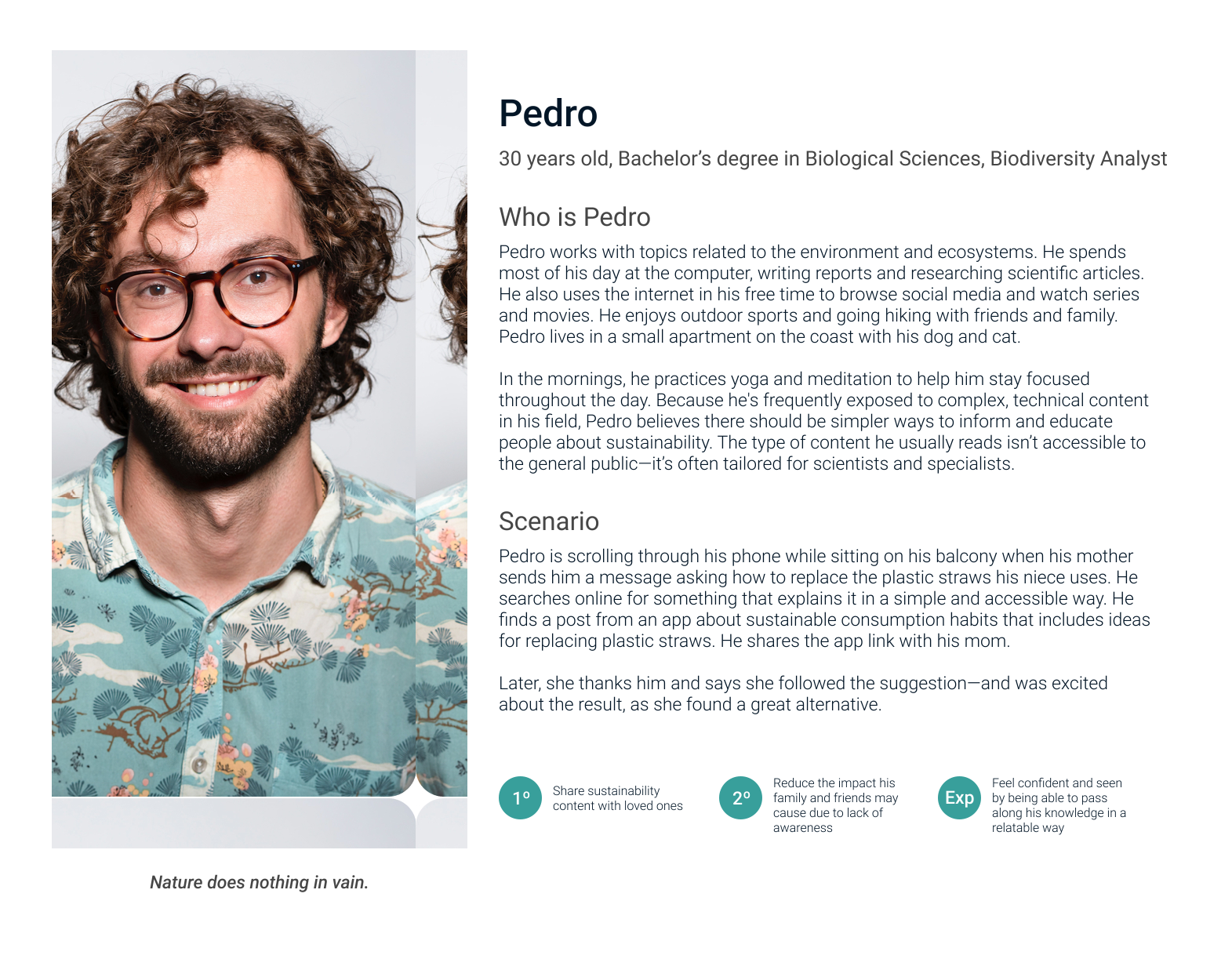
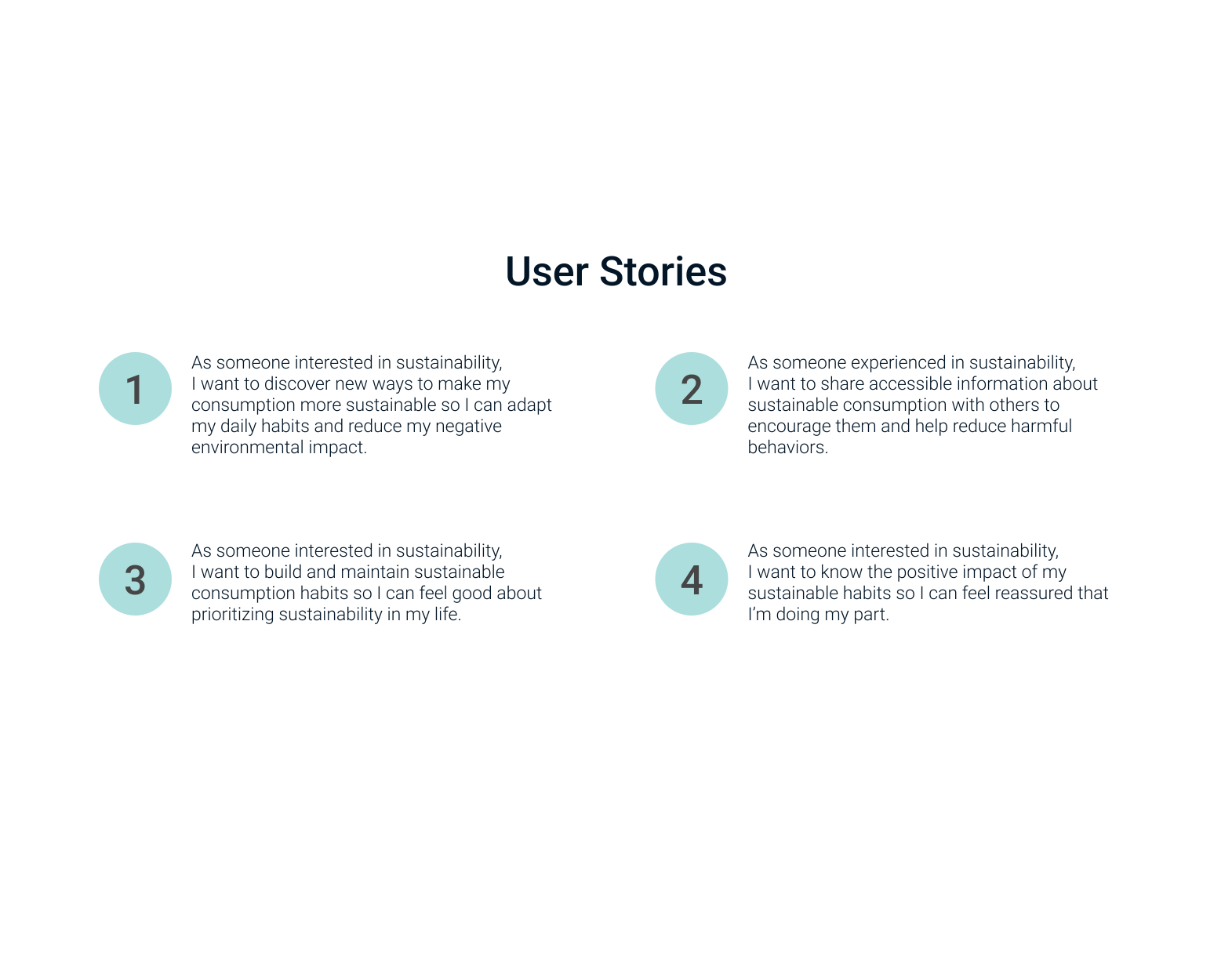
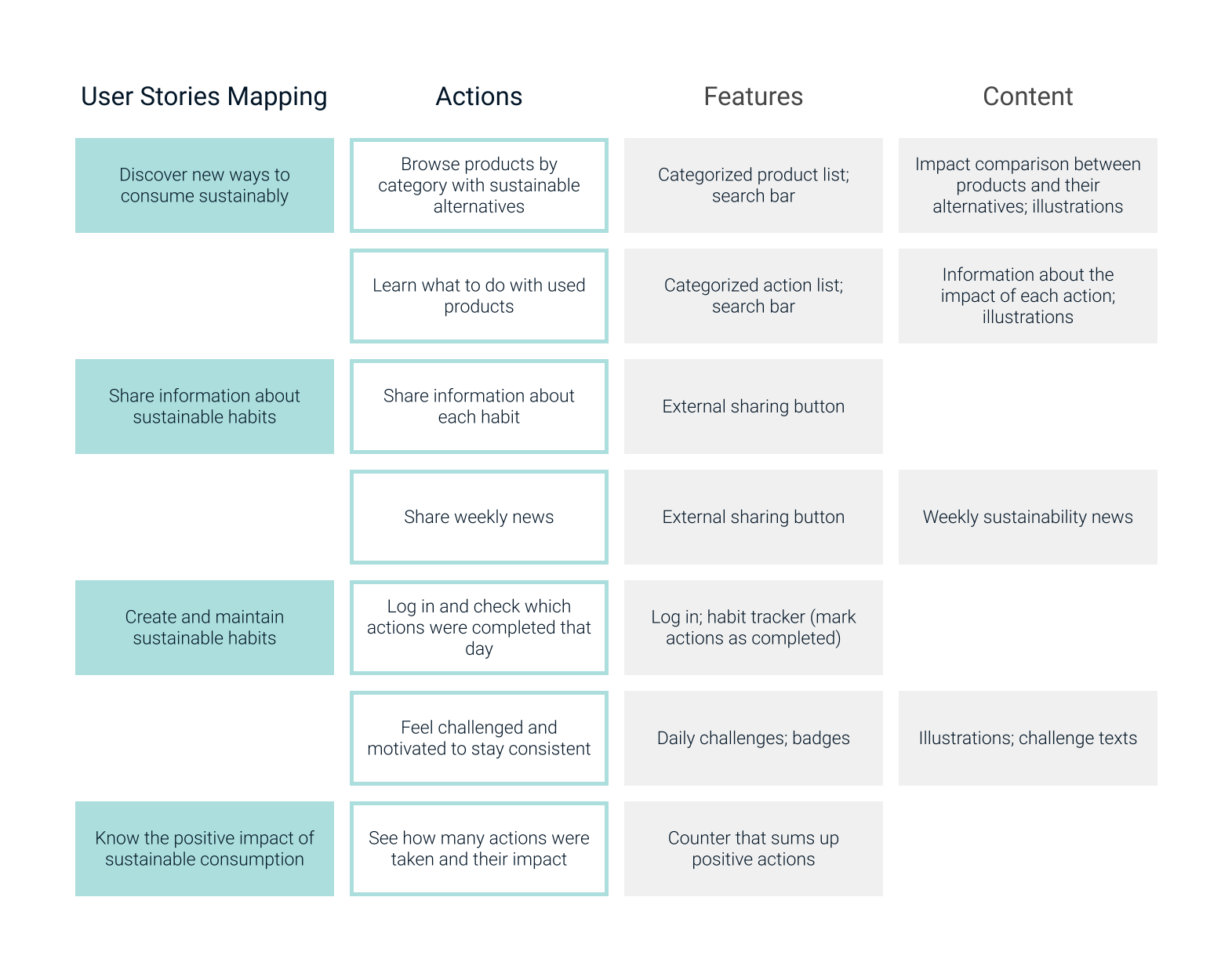
Based on the real data collected in the previous stage, we created two personas to represent different types of users within the same context. These personas were used to communicate and define what the app should deliver and support from a user perspective. From this, we designed Mariana—our primary persona—around whom the app experience was centered. Pedro, our secondary persona, reflects additional needs that the app also supports and embraces. Their goals and pain points were then translated into user stories and functional/content requirements.
User Stories
Feature Mapping
03
Structuring Clarity and Flow
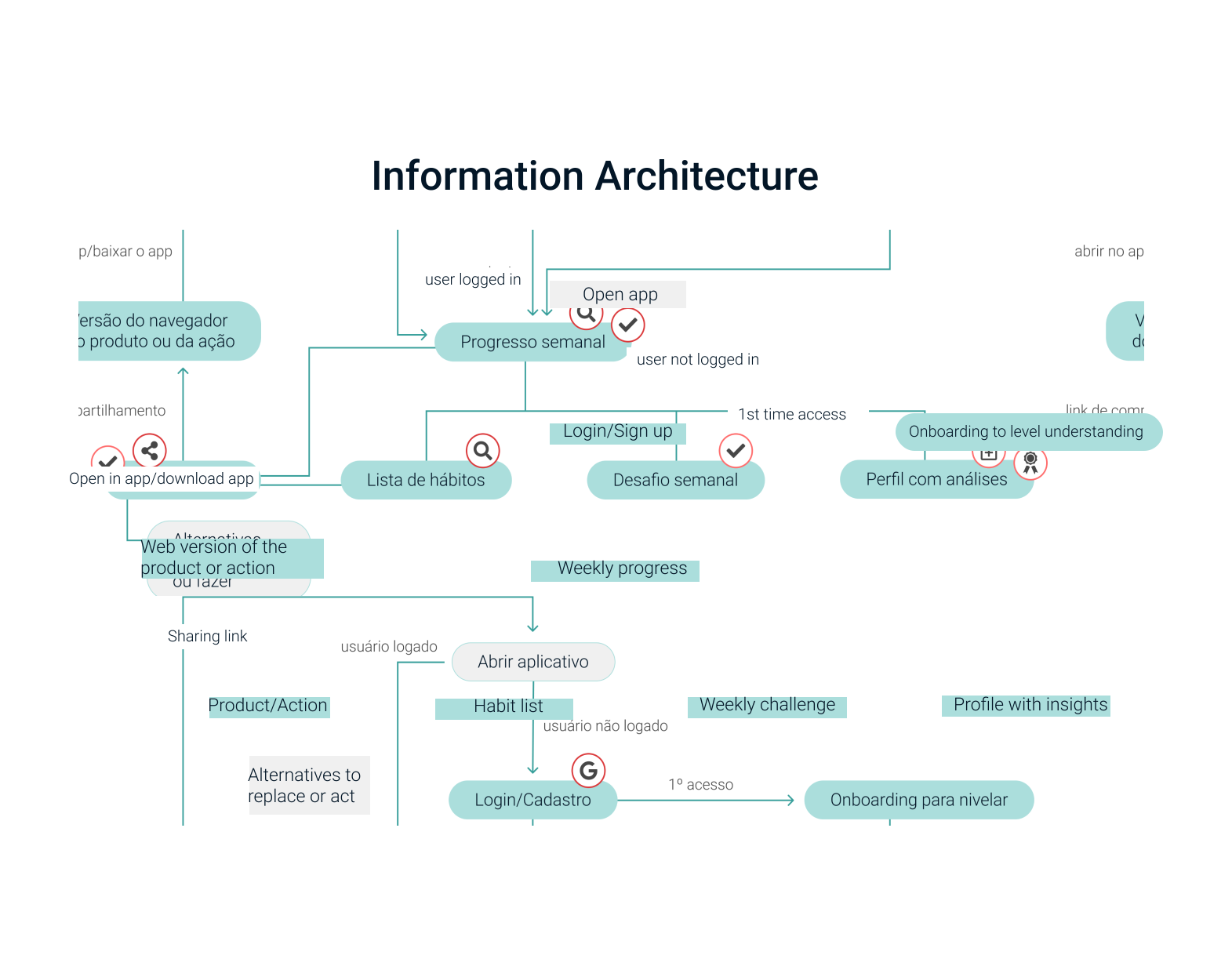
Information Architecture
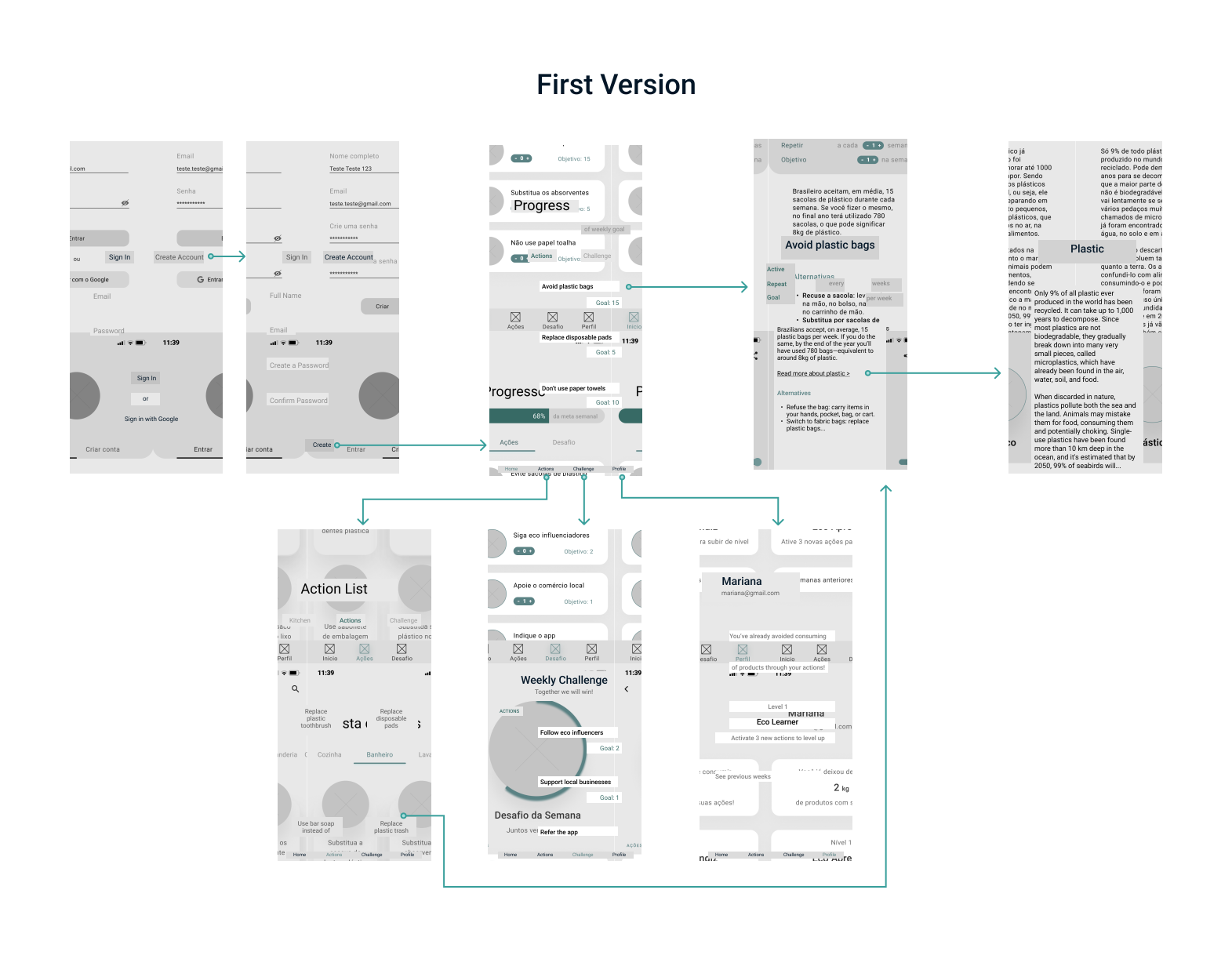
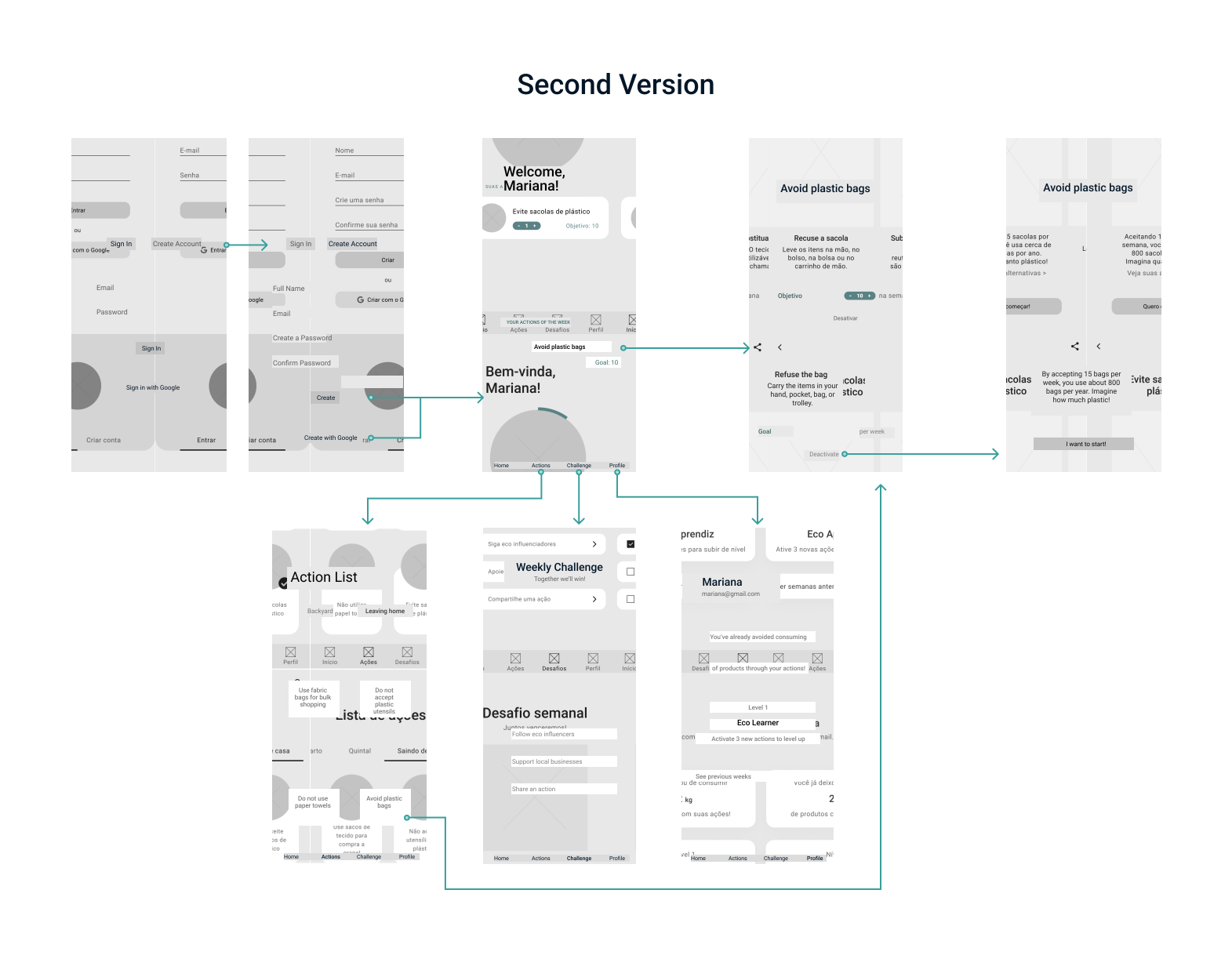
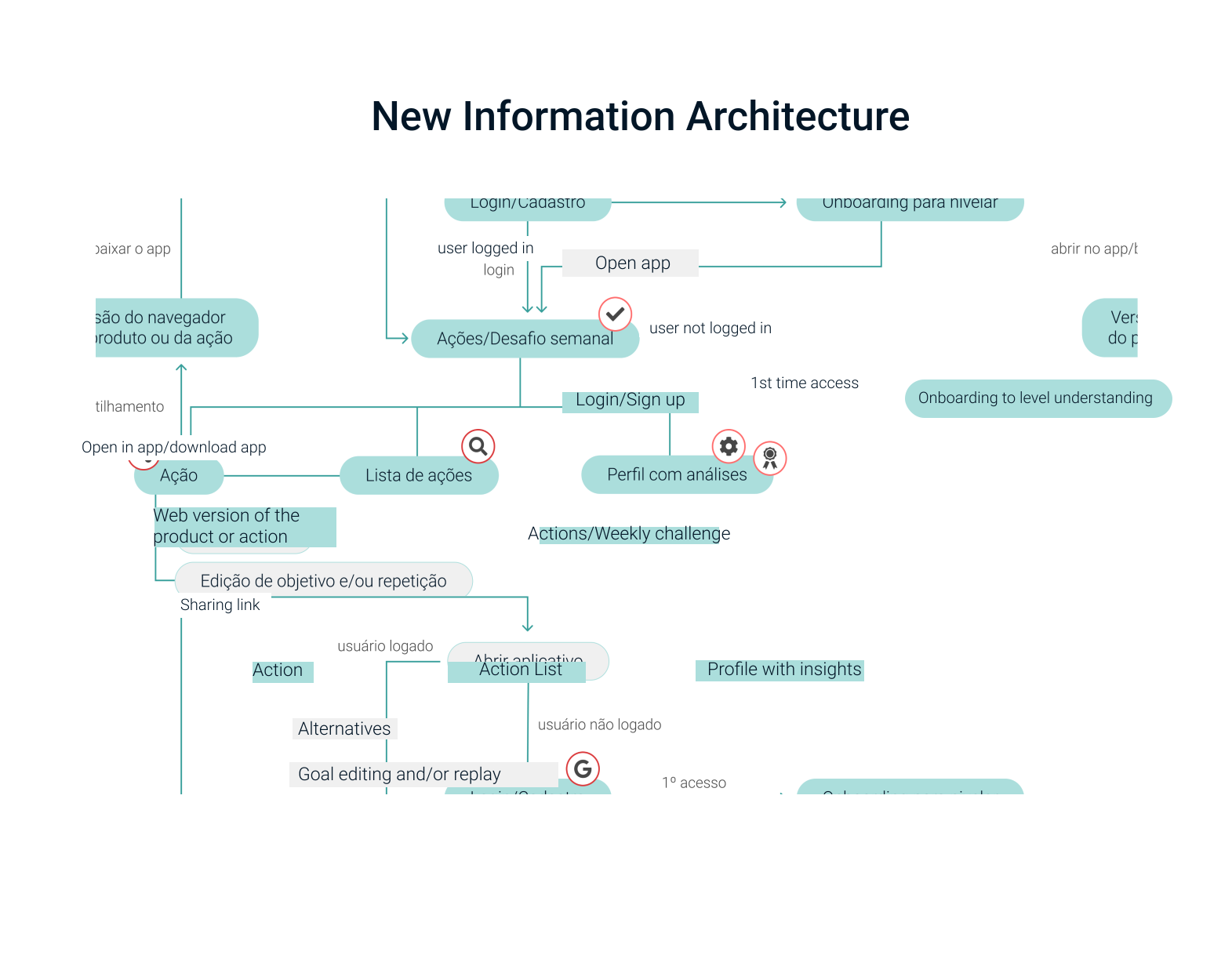
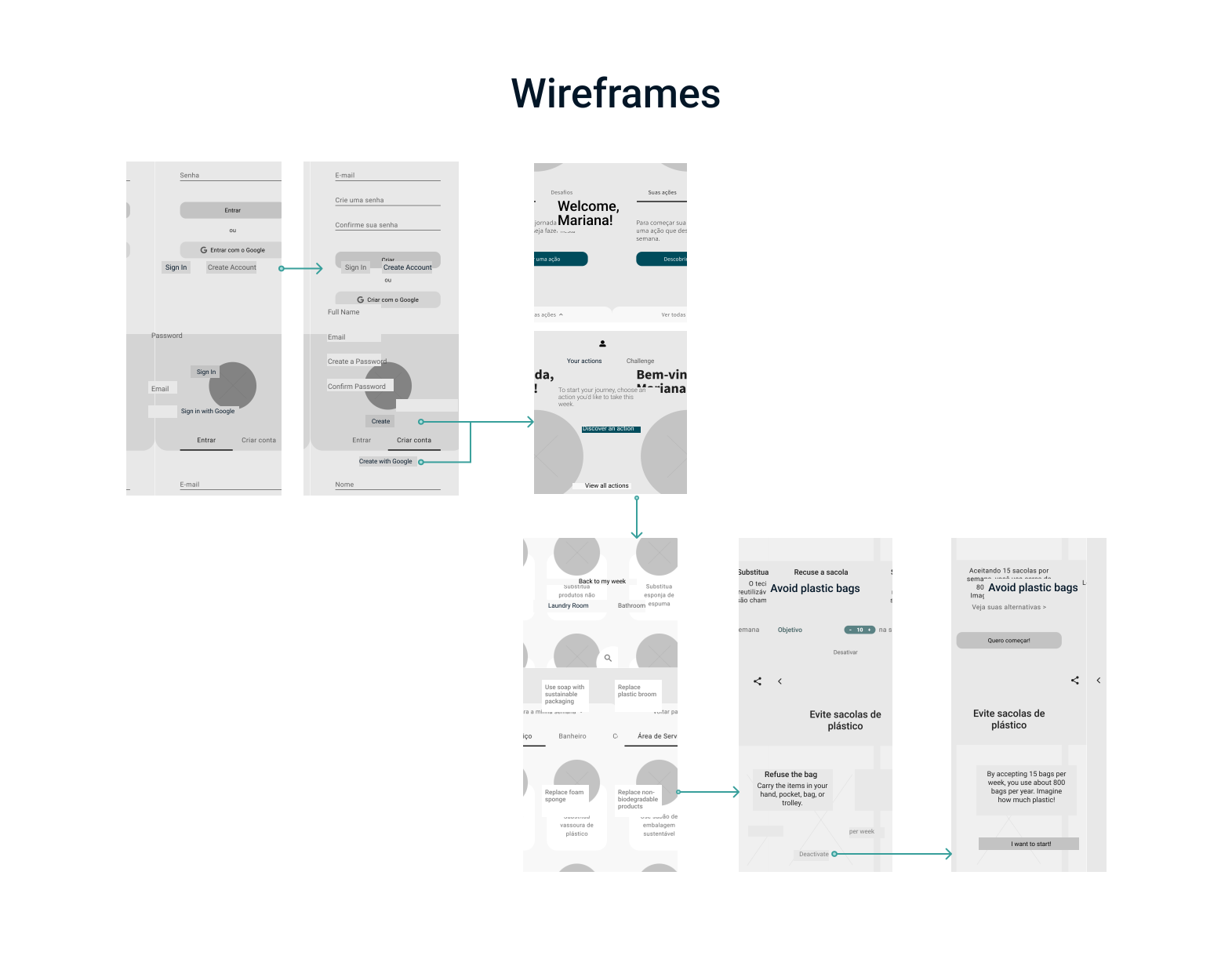
Based on the personas' needs, user stories, and content and feature requirements, we created the information architecture and wireframes for each proposed screen. From the first wireframe version, we collected feedback from the instructors on both visual design and written content. As a result, we developed a second version, aiming to make the app’s tone more approachable and reduce text density.
Wireframes
Usability Testing
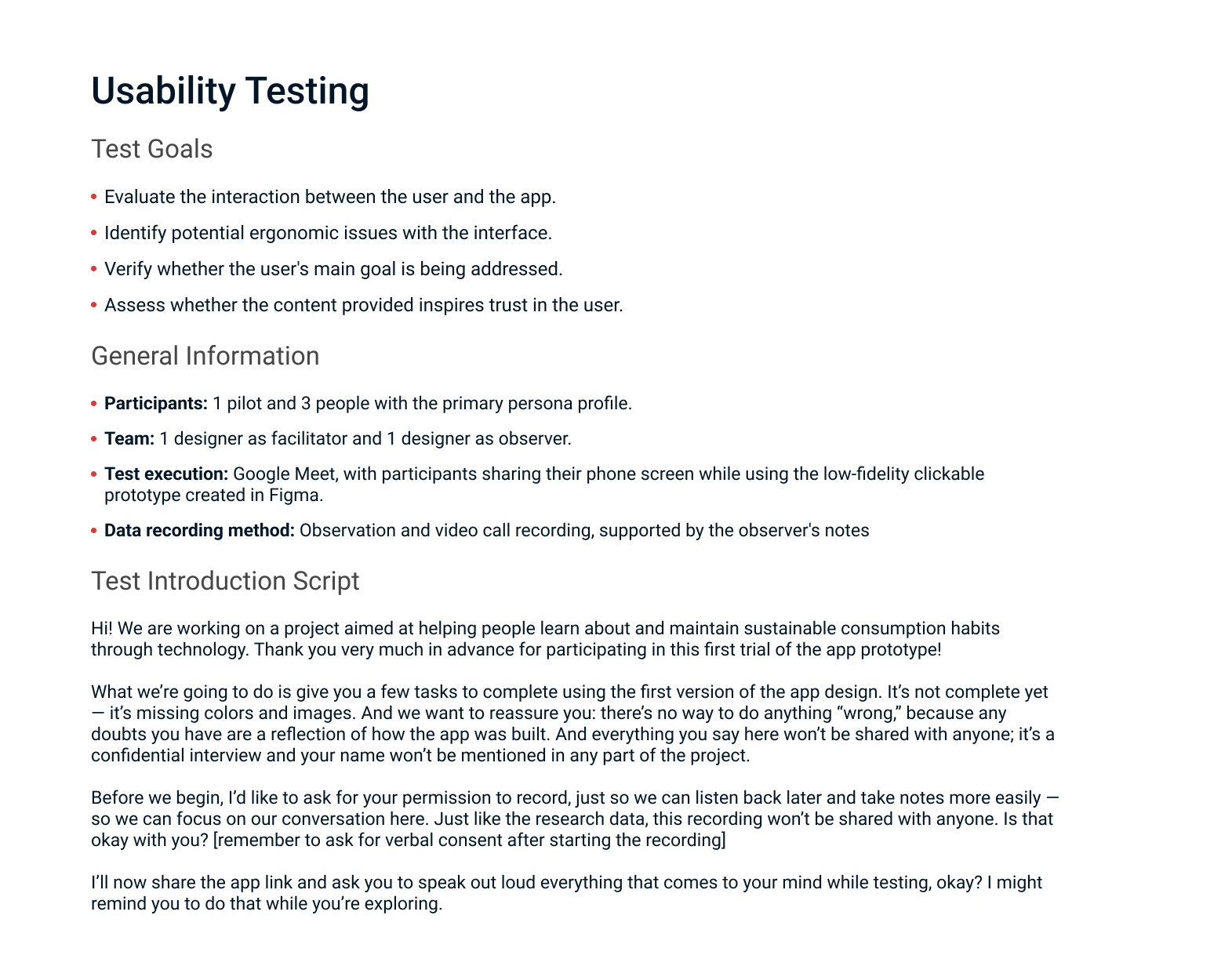
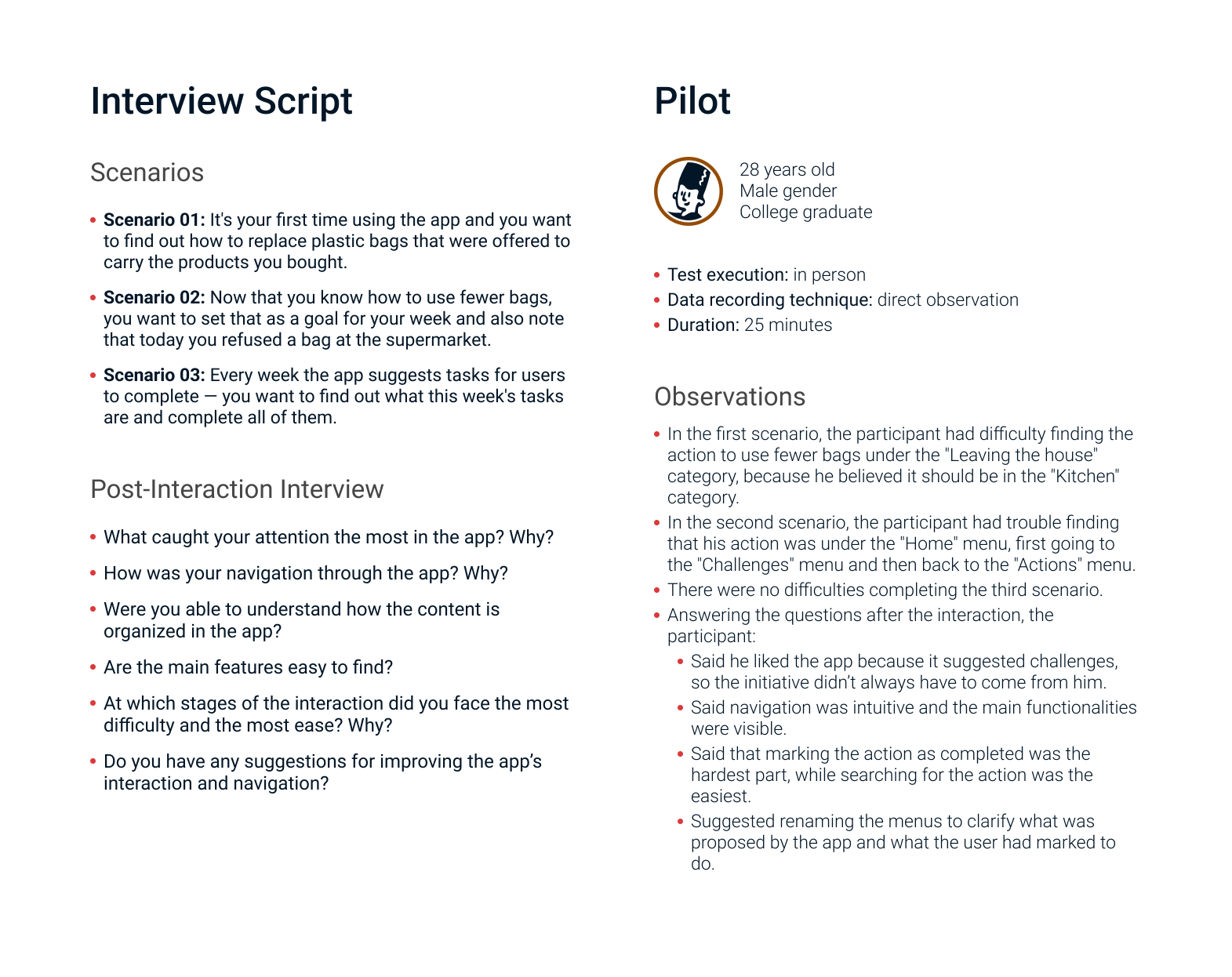
After developing the wireframes, we conducted a usability test to understand how users perform tasks and how they perceive the app’s use. To do so, we defined objectives for the test and prepared a presentation script for the participants, which included two scenarios in which they were asked to complete specific tasks. Finally, we concluded with a short interview after the interaction with the wireframes, in order to better understand the users’ behavior during the test.
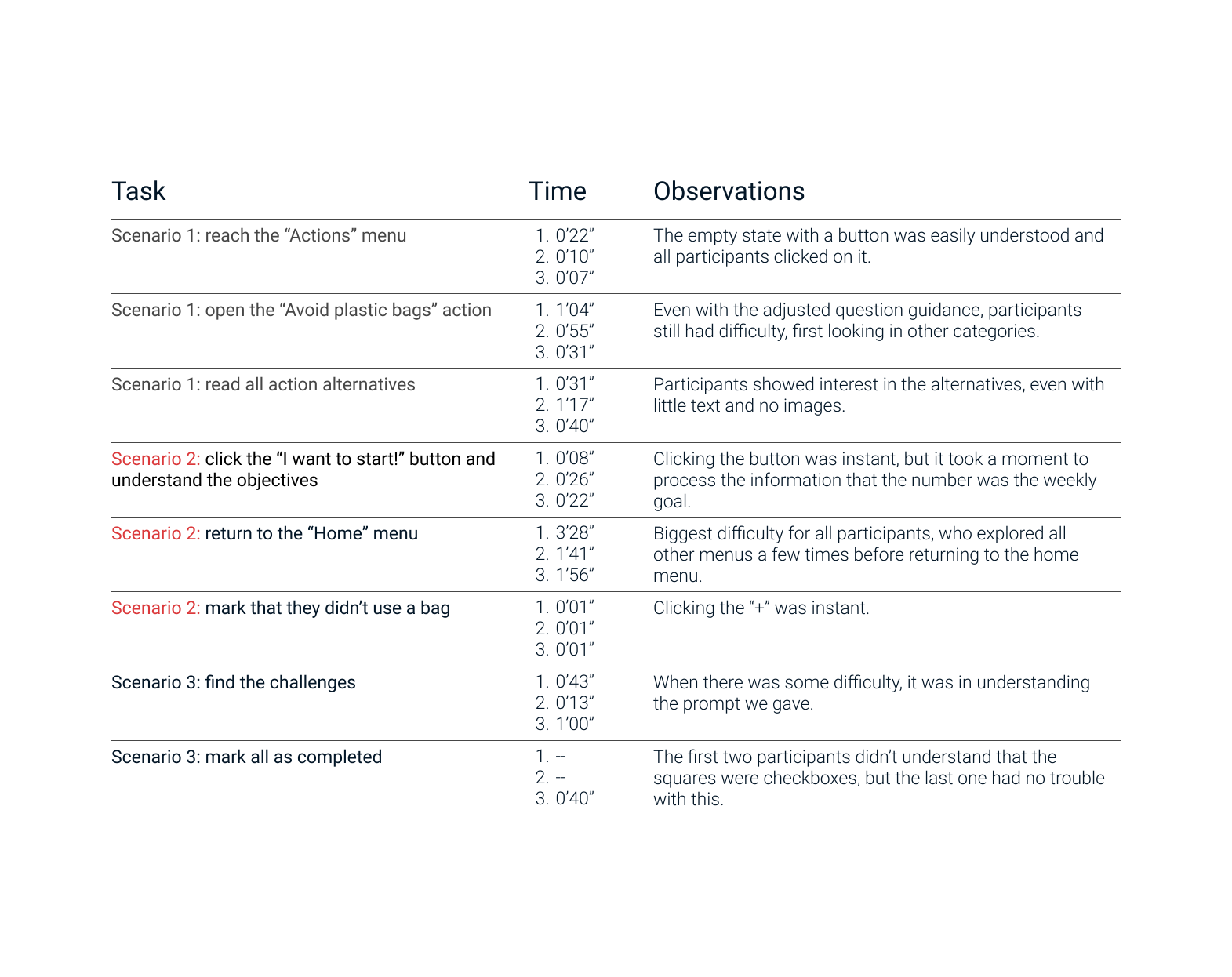
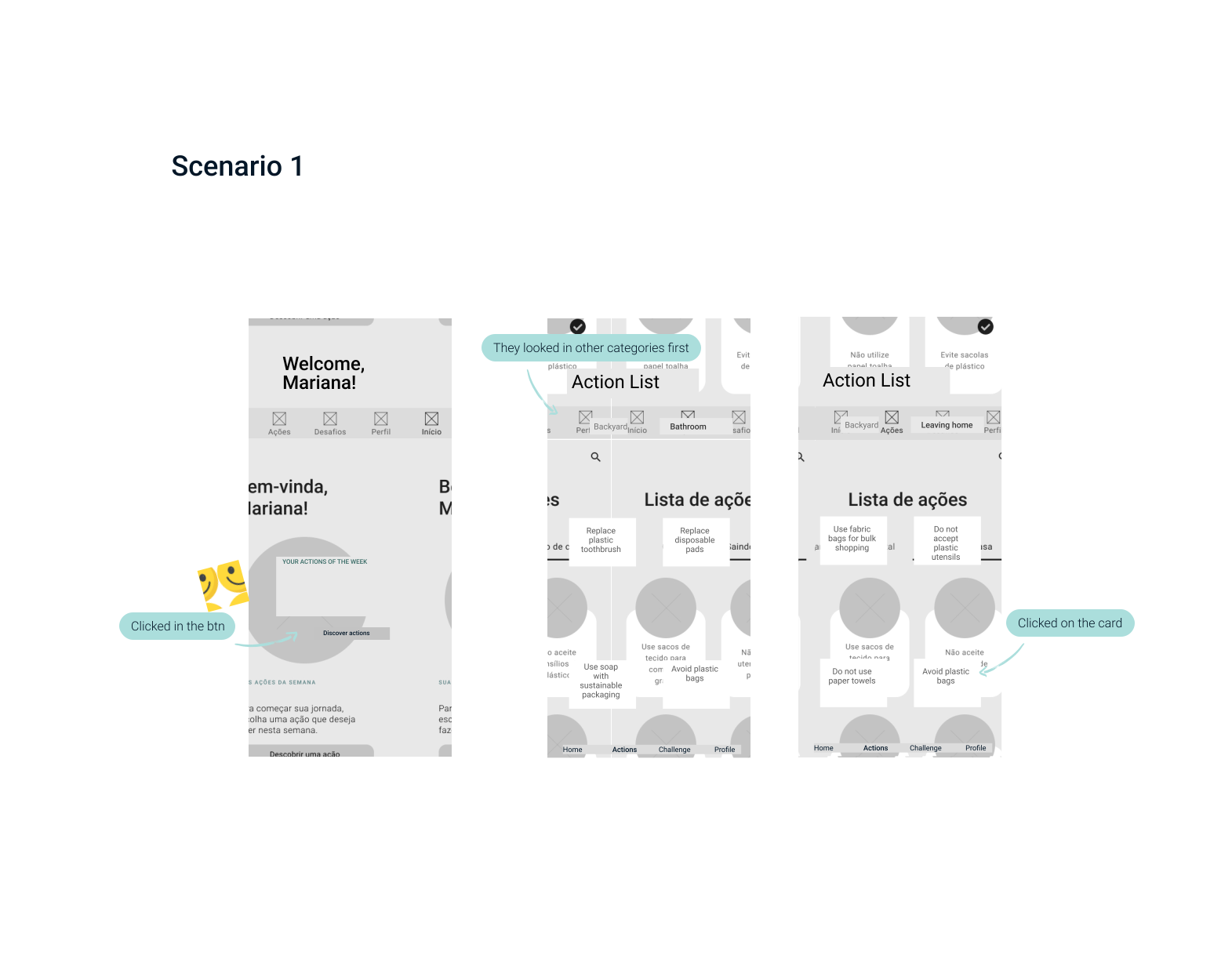
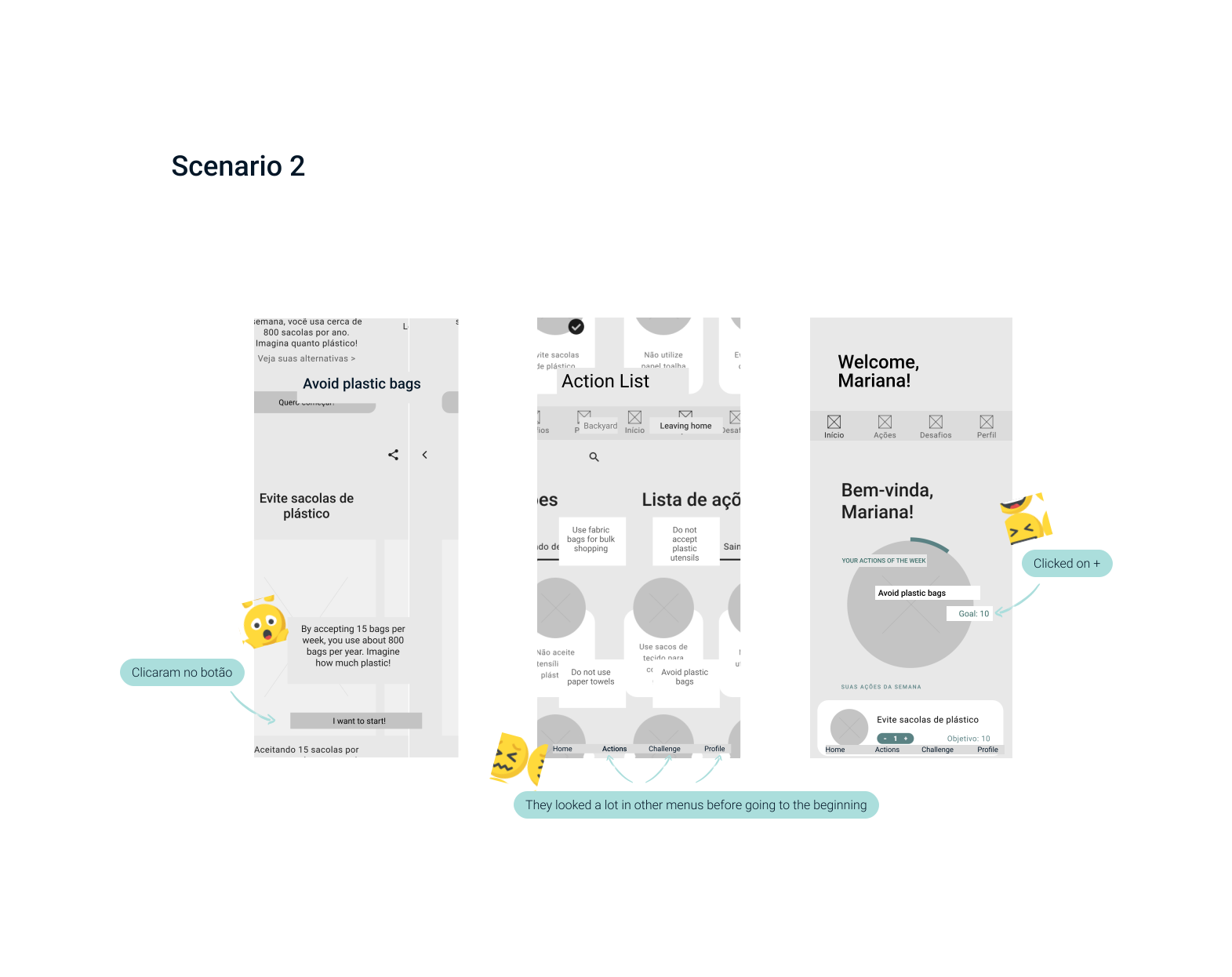
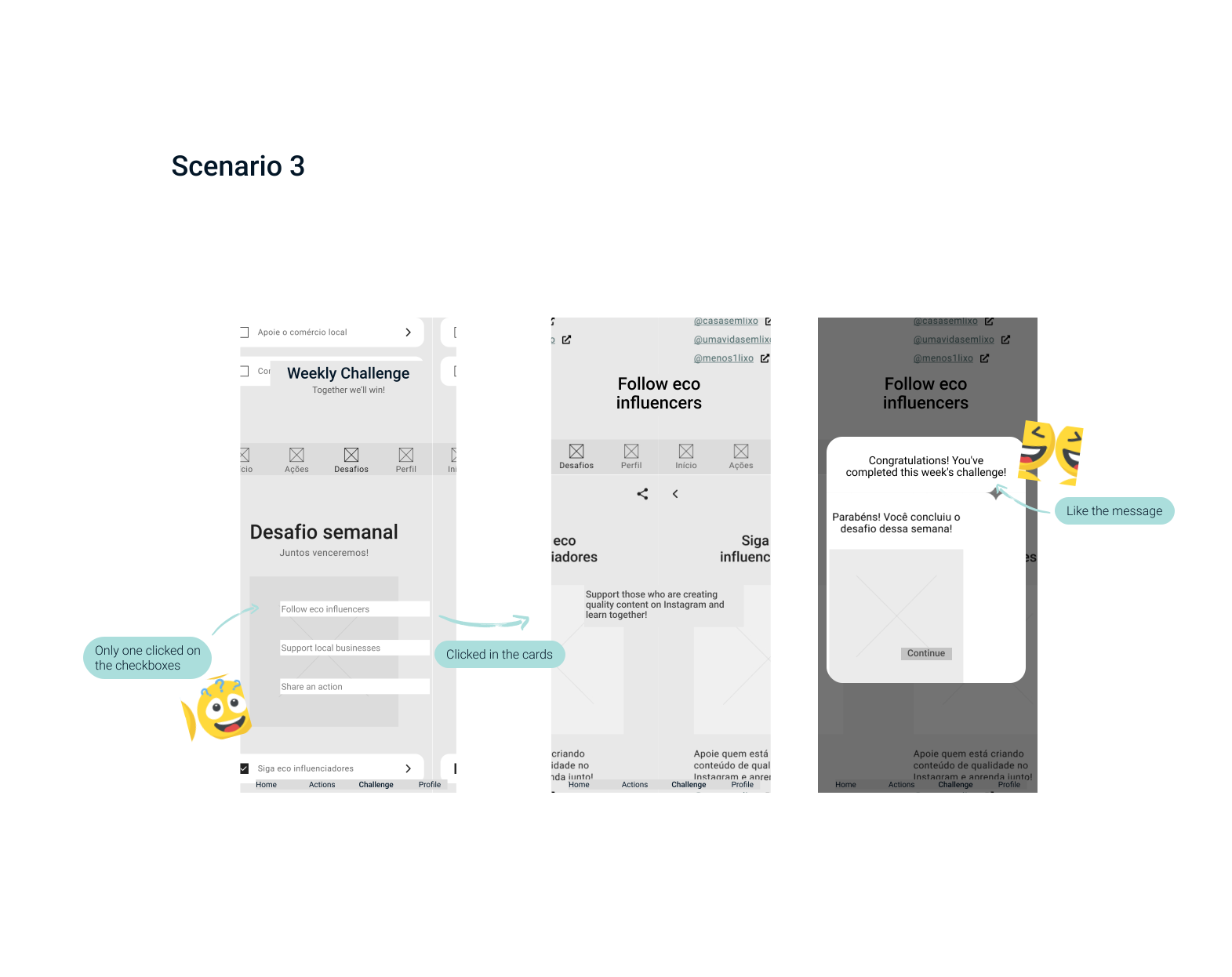
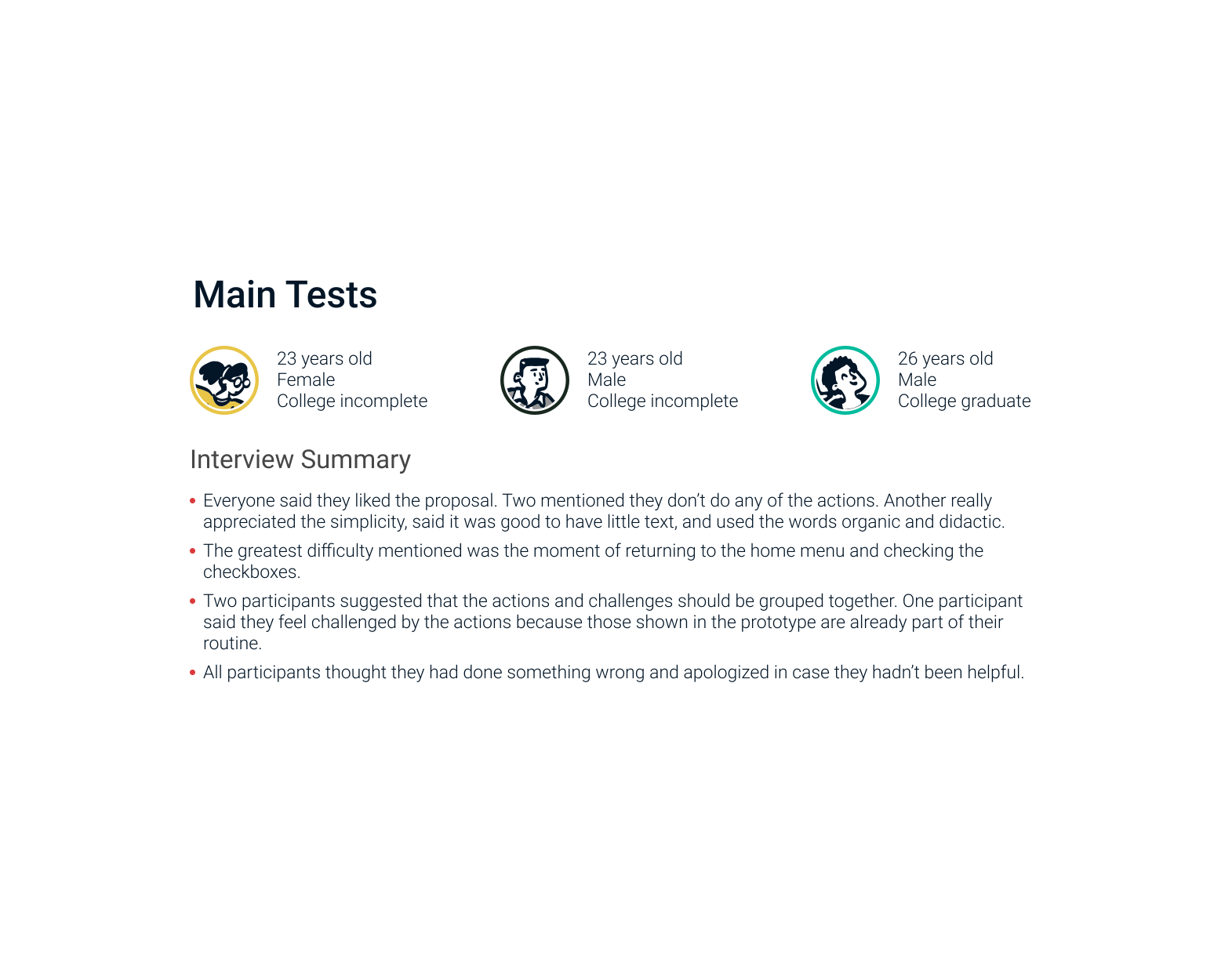
Usability Testing: Revised Structure
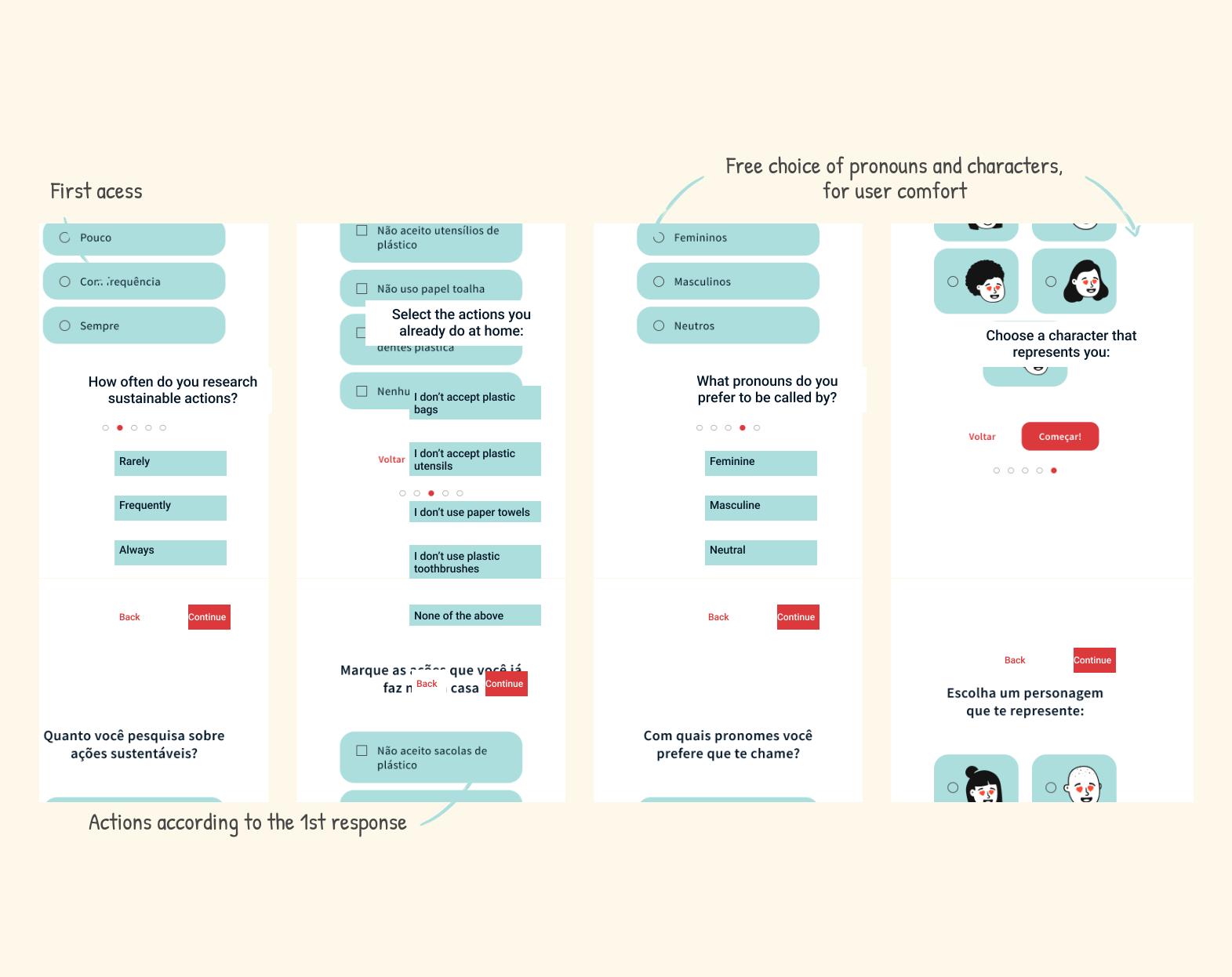
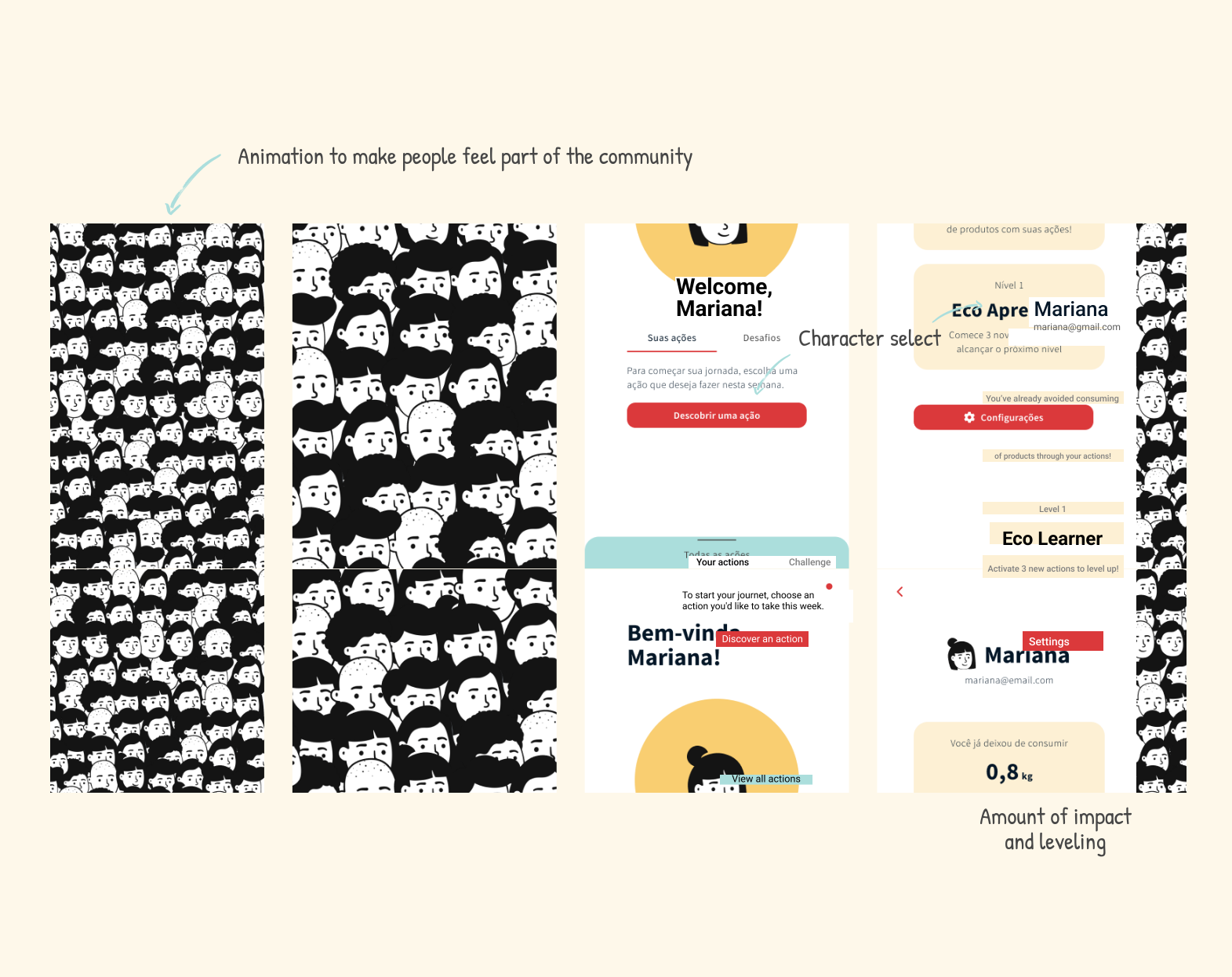
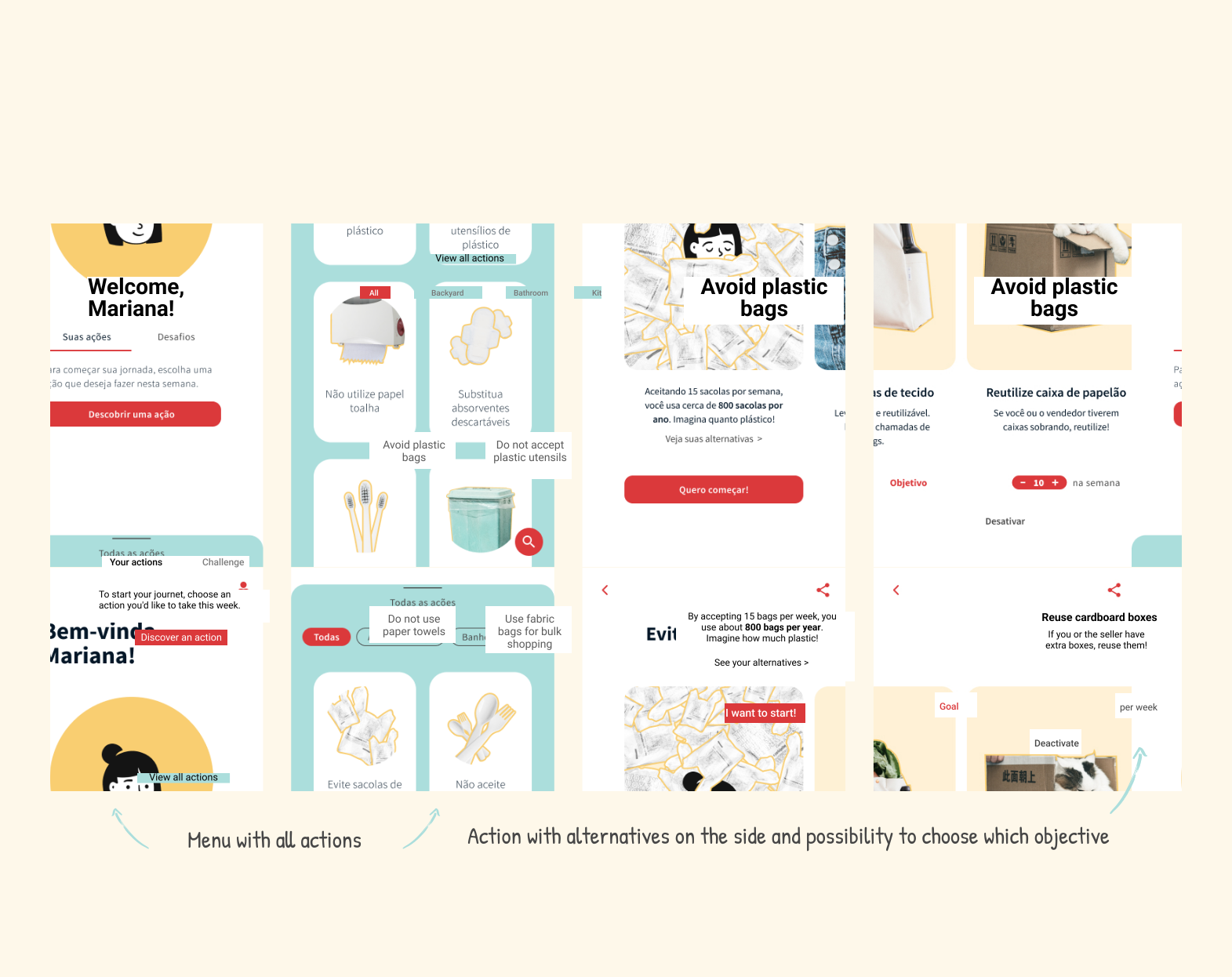
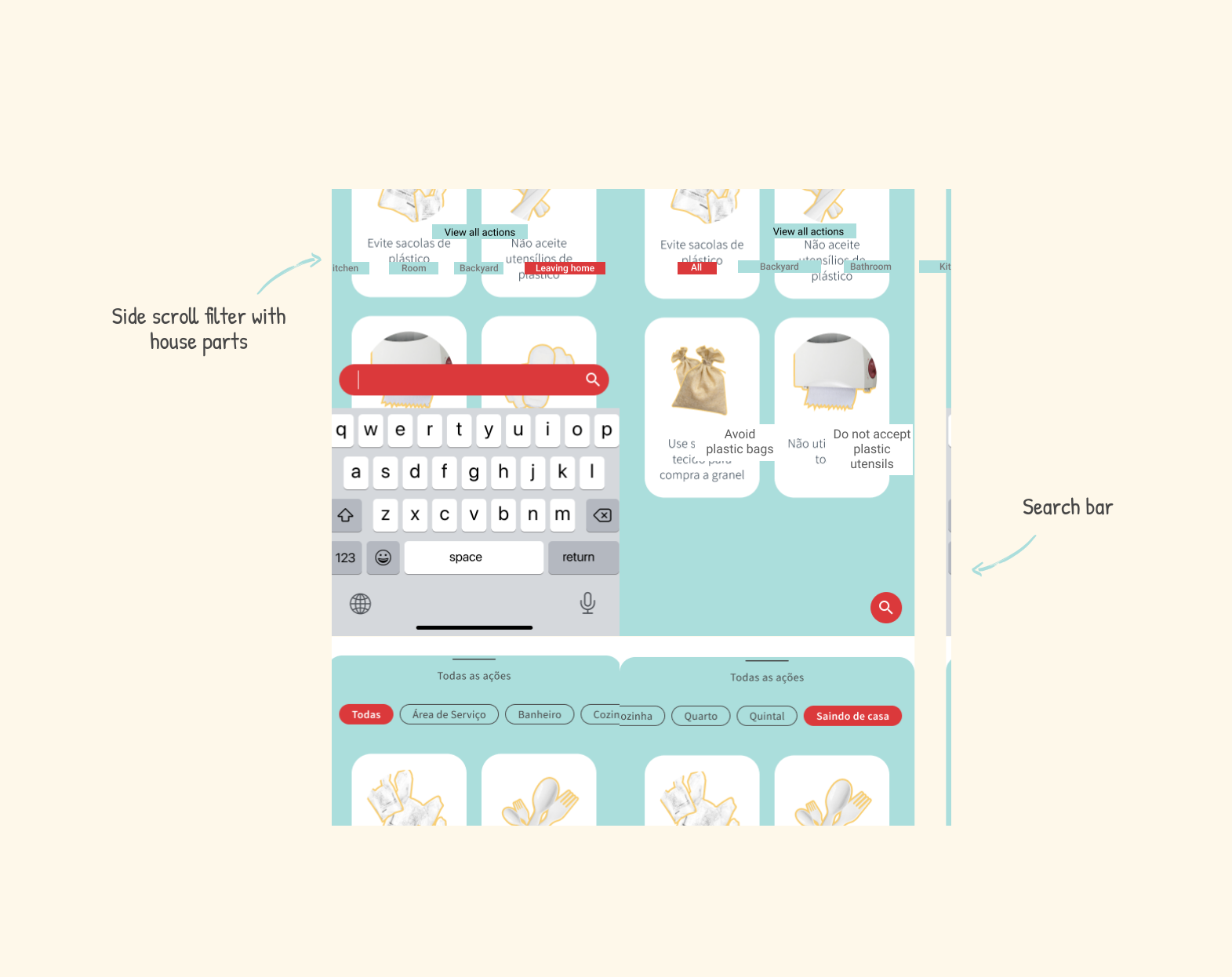
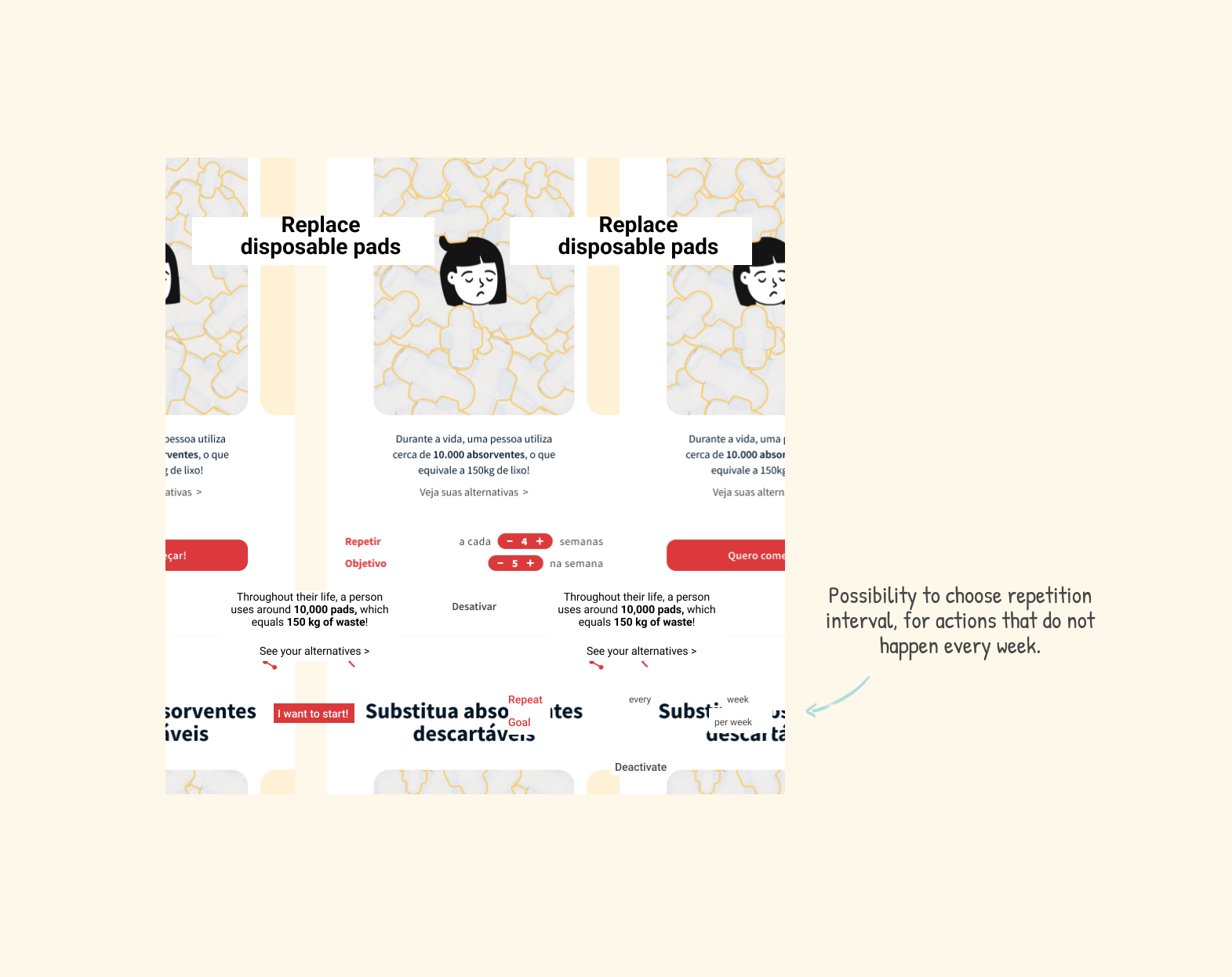
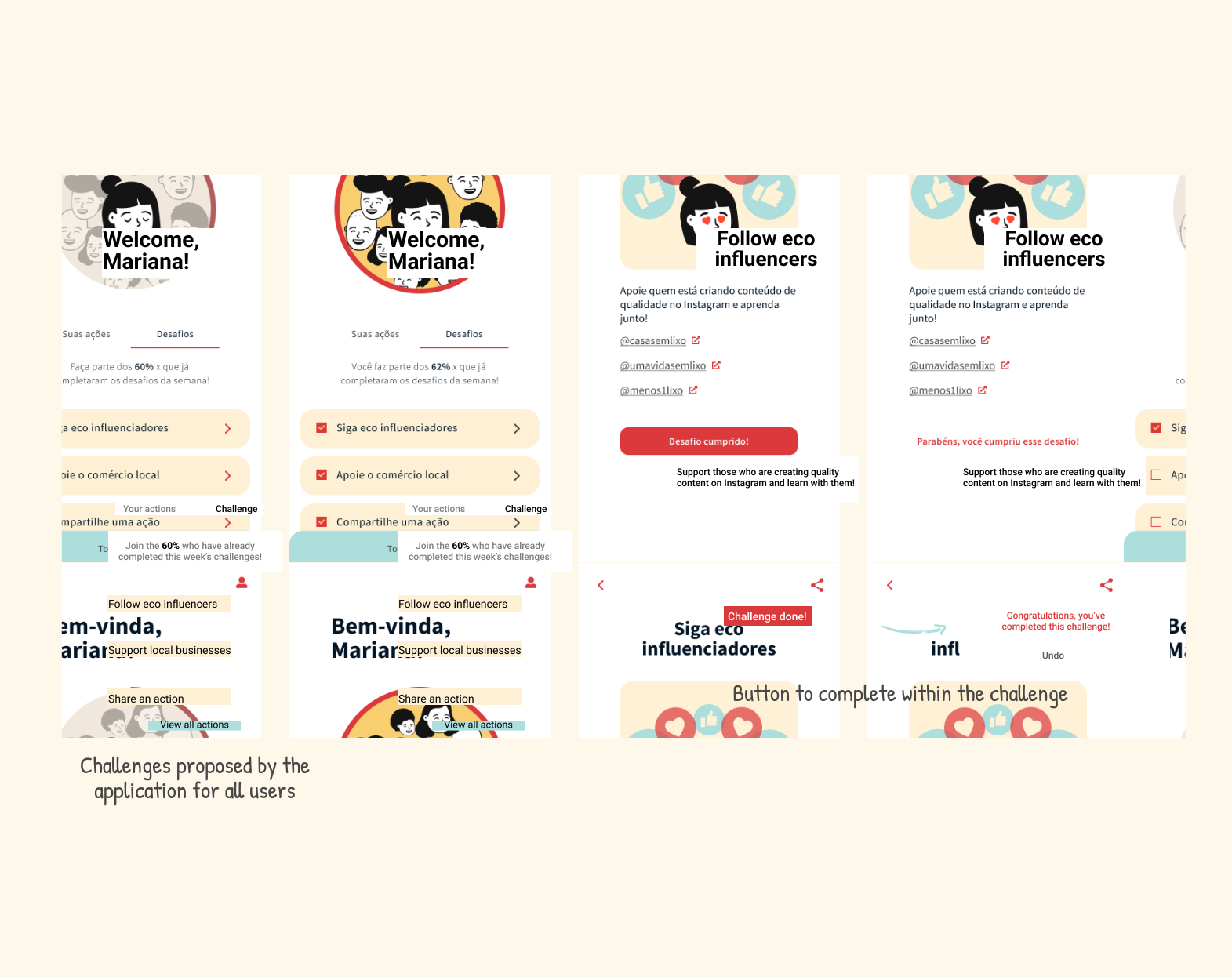
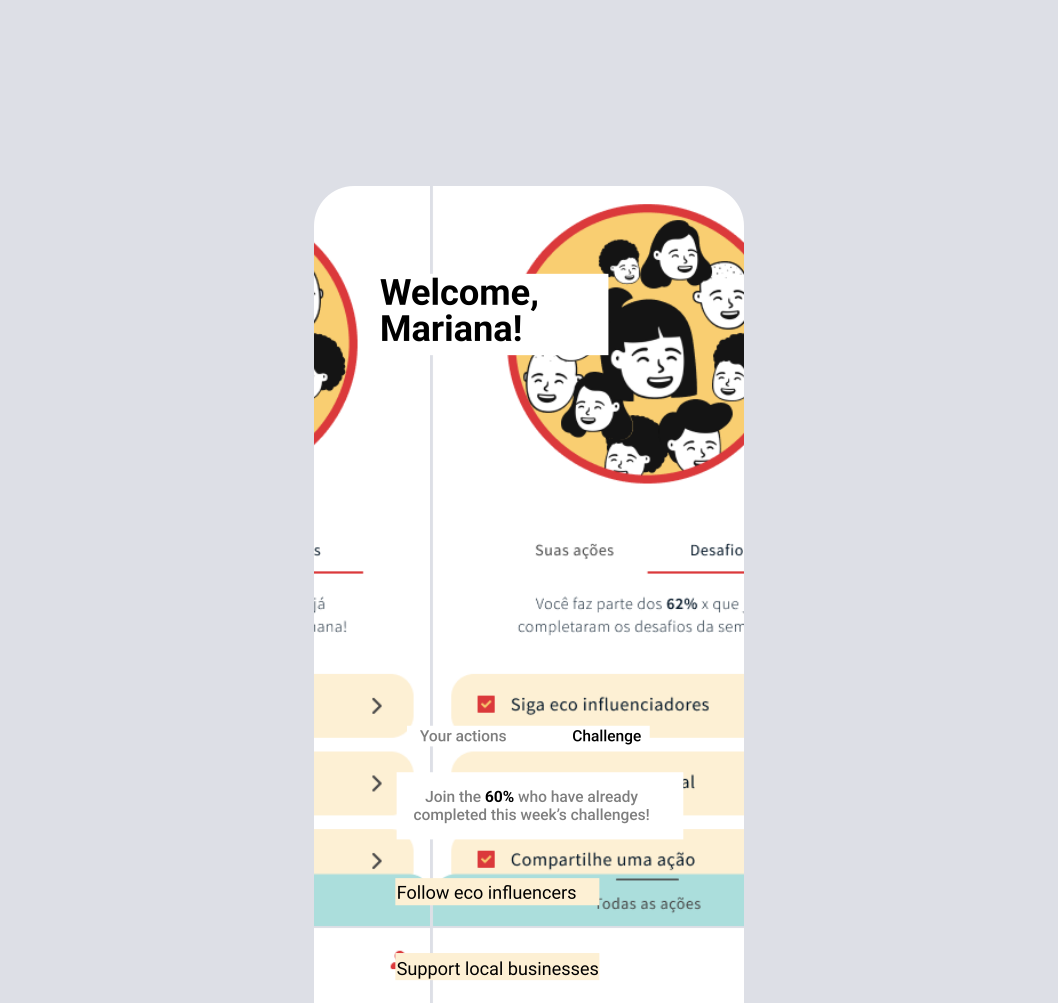
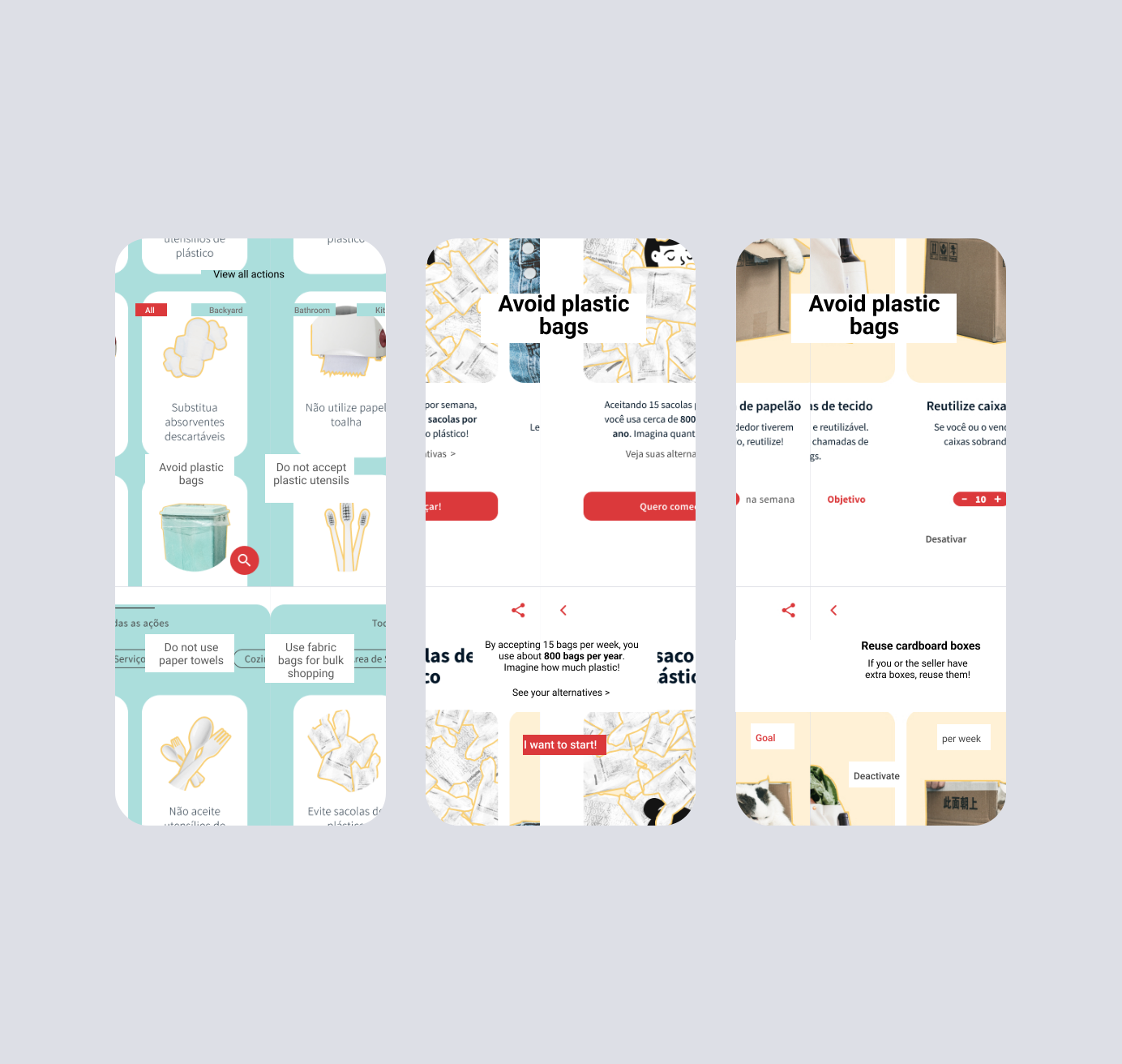
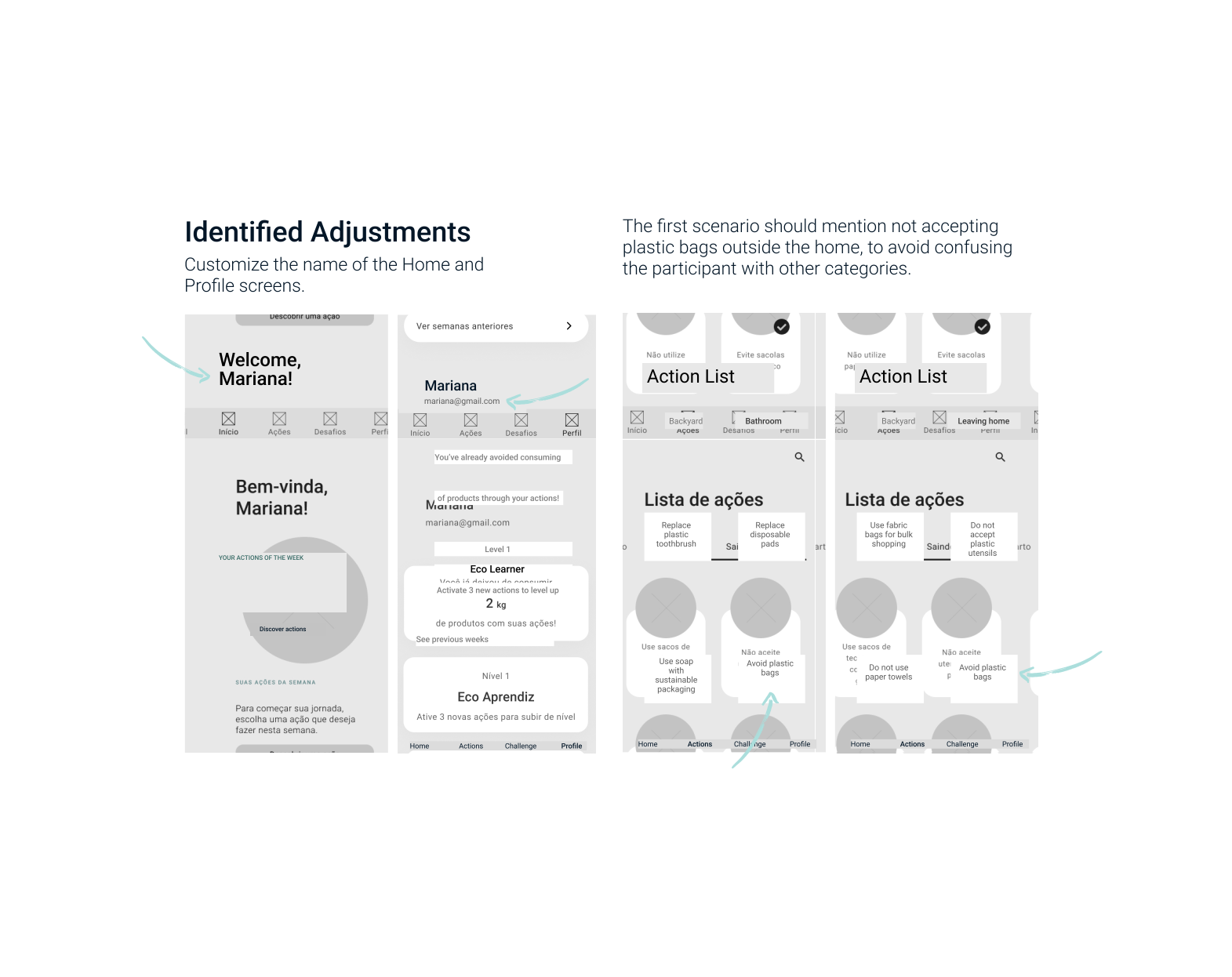
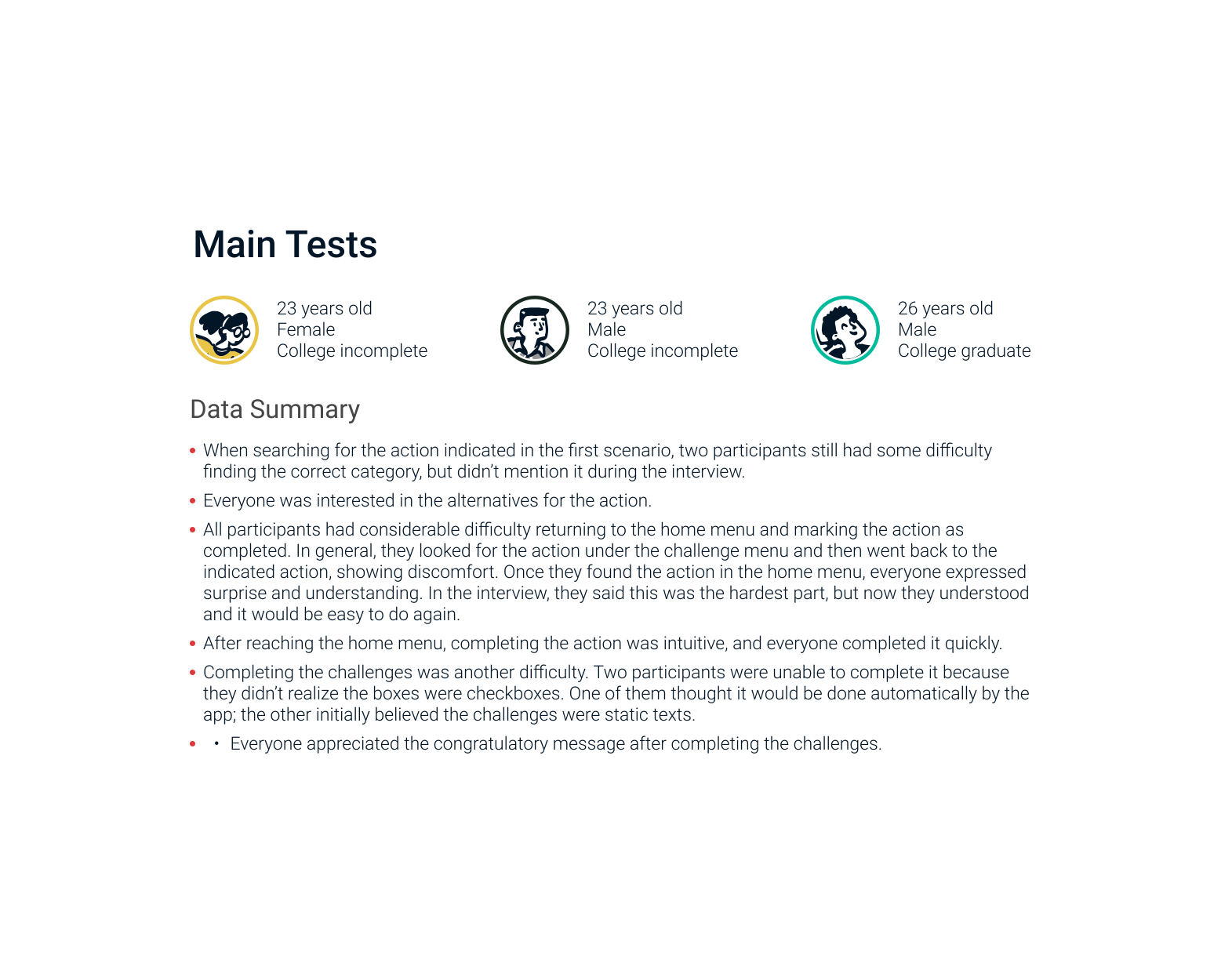
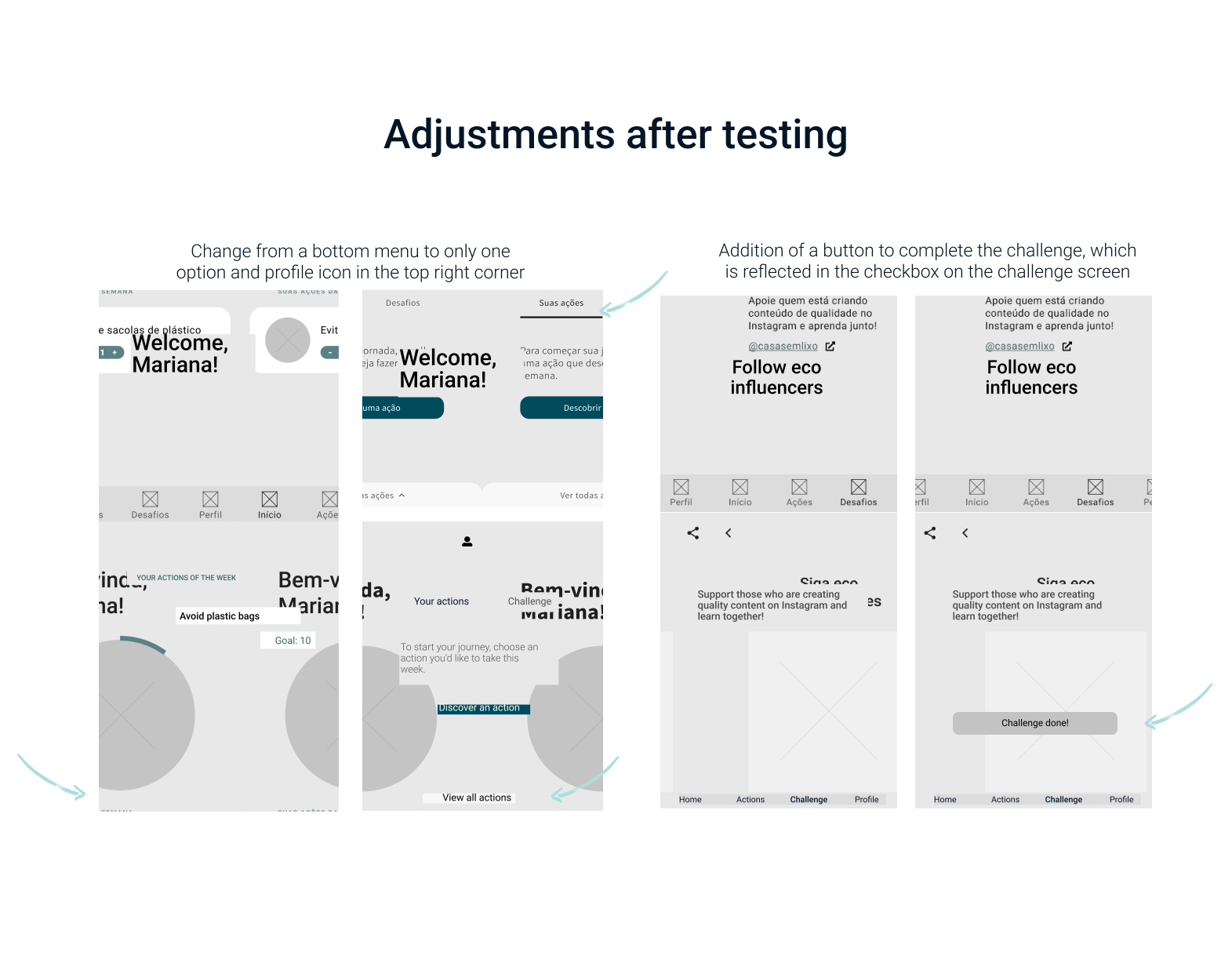
Based on the test results, we reviewed the structure of both the information architecture and some of the screens. The goal was to make the user interaction as intuitive and uncluttered as possible. As a result, the bottom menu was simplified and action-indicating elements were added, such as a button within the challenges.
04